
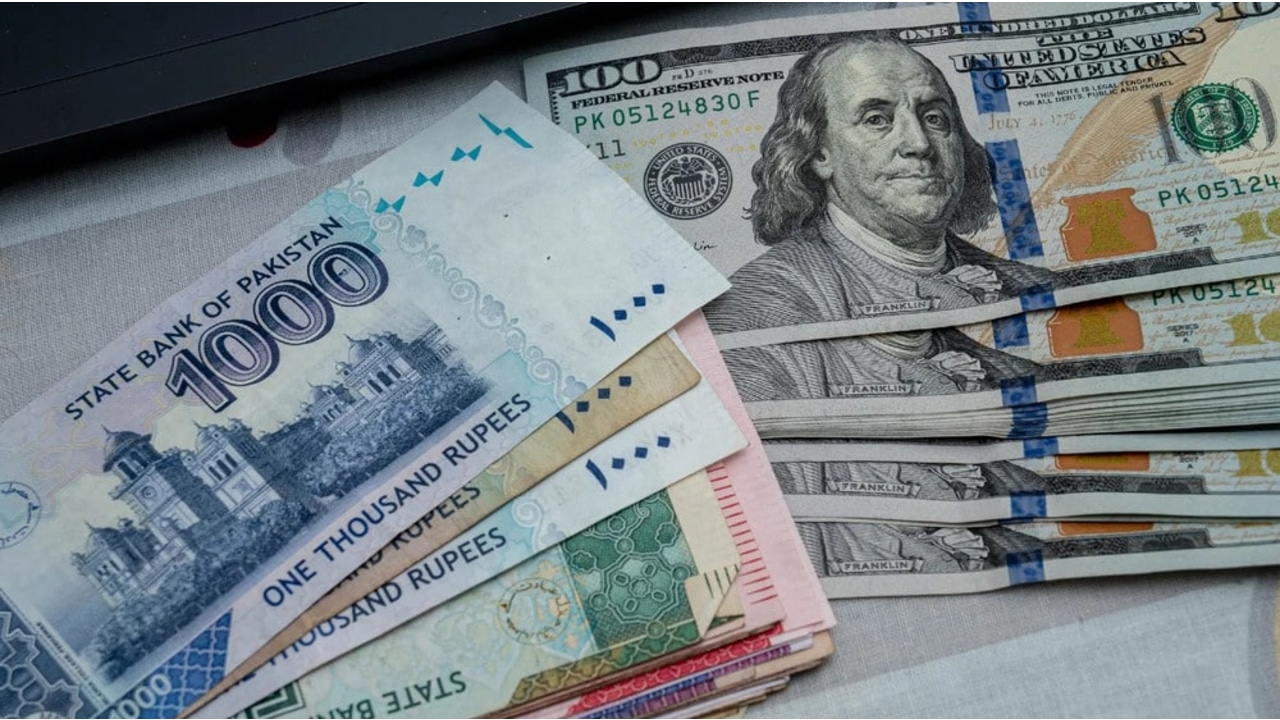
The Government of Pakistan recently calibrated its debt portfolio by raising Rs. 170.98 billion through a high-performing Hybrid Sukuk auction. This strategic maneuver surpassed the initial Rs. 125 billion target, signaling a significant appetite for Shariah-compliant instruments among institutional investors. By attracting bids totaling over Rs. 756.93 billion, the state demonstrated its capacity to mobilize domestic liquidity with extreme precision.
Analyzing the Hybrid Sukuk Auction Performance
The auction results from the Pakistan Stock Exchange reveal a precision-led approach to capital acquisition. The government accepted Rs. 108.23 billion in fixed-rate discounted Sukuk and Rs. 62.75 billion through the reopening of 10-year Variable Rental Rate (VRR) Sukuk. Notably, the realized proceeds amounted to Rs. 162.56 billion, reflecting the discounted nature of the fixed-rate instruments issued below face value.
Yield Dynamics and Investor Demand
- One-Year Tenor: Cut-off yield of 11.84% with Rs. 57.44 billion accepted.
- Six-Month Tenor: Cut-off yield of 11.6899% with Rs. 20.34 billion accepted.
- Three-Month Tenor: Cut-off yield of 11.4353% with Rs. 27.45 billion accepted.
- 10-Year VRR: Cut-off yield of 11.5704% with Rs. 62.75 billion accepted.
Investor confidence remained robust across these varied tenors. The 10-year VRR Sukuk drew overwhelming interest, receiving bids reaching Rs. 412.02 billion against a modest Rs. 50 billion target. Consequently, the government secured vital funding while maintaining competitive rates.
The Translation: Beyond the Numbers
A “Hybrid Sukuk” combines multiple Islamic finance structures to diversify the government’s borrowing toolkit. By utilizing these instruments, the state shifts away from conventional interest-bearing debt toward Shariah-compliant assets. This mechanism allows the government to tap into the substantial liquidity of Islamic banks. Furthermore, it creates a structured environment where government borrowing is backed by tangible assets rather than speculative cycles.
Socio-Economic Impact: What This Means for You
For the average Pakistani household and professional, this development stabilizes the broader financial ecosystem. Increased government reliance on domestic Hybrid Sukuk auction results reduces the pressure on volatile external foreign-currency debt. This creates a more resilient baseline for the national economy. For individual investors, the growth of the Sukuk market offers a secure, ethical alternative to traditional savings. It potentially increases the availability of Shariah-compliant pension and mutual funds for the workforce.
The Forward Path: A Momentum Shift
We categorize this development as a Momentum Shift. The massive oversubscription—receiving six times more bids than the accepted amount—proves that the domestic market is ready for sophisticated financial engineering. To maintain this trajectory, the government must continue refining its fiscal precision. We must ensure these raised funds are channeled directly into structural infrastructure projects that yield long-term national dividends and system efficiency.








