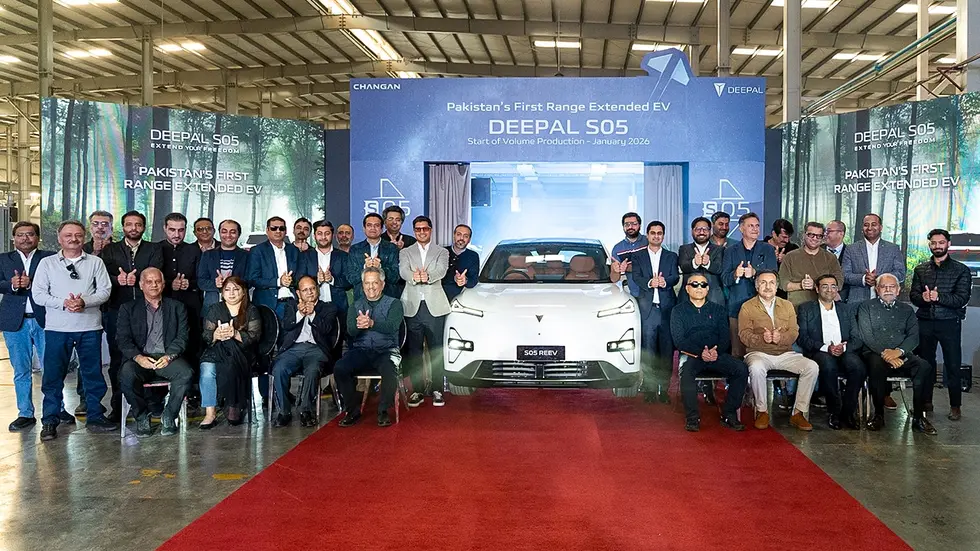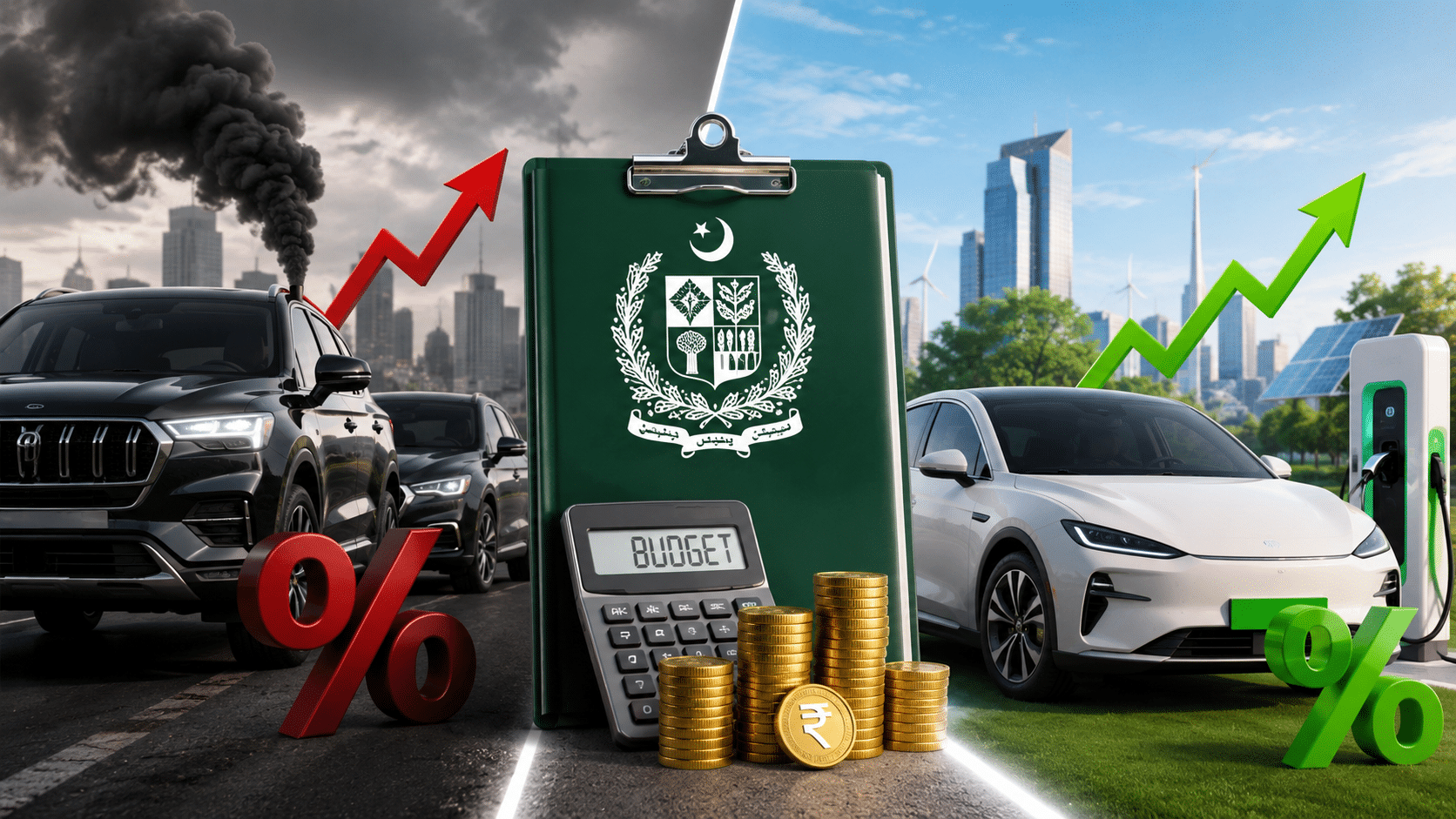
Pakistan’s automotive architecture is undergoing a precision recalibration as the federal government prepares a structural Carbon Levy Pakistan. This strategic maneuver targets vehicles exceeding 2,000cc with a levy ranging from 10 to 19.5 percent. By penalizing fuel-heavy transport, the state intends to catalyze a rapid transition toward a sustainable, electric-first mobility ecosystem.
Engineering the Transition: Incentivizing Electric Mobility
The proposed framework does not merely tax traditional engines; it builds a baseline for domestic innovation. Consequently, the government is designing a robust package of incentives for locally manufactured electric vehicles (EVs). This includes a calibrated reduction of customs duty on EV batteries and motors to as low as 1 percent. Furthermore, sales tax on essential EV components will remain at a symbolic 1 percent to attract significant capital investment.
- Federal Excise Duty Relief: Potential exemptions to lower upfront consumer costs.
- Capital Value Tax Reductions: Strategic moves to incentivize the domestic EV market.
- Withholding Tax Waivers: Targeted relief for early adopters and manufacturers.
Notably, this strategy suggests that hybrid vehicles may not receive similar tax concessions. Policymakers are prioritizing full electric mobility to ensure long-term system efficiency across the national transport network. A high-level committee, chaired by Deputy Prime Minister Ishaq Dar, is currently finalizing these proposals for the upcoming federal budget.
The Translation
The Carbon Levy Pakistan represents a shift from general taxation to “Pigouvian” logic, where the state taxes activities that create negative environmental externalities. By increasing the cost of high-displacement internal combustion engines, the government creates a financial vacuum that only efficient, electric alternatives can fill. It is a deliberate market distortion designed to force a technological leapfrog over traditional hybrid stages.
The Socio-Economic Impact
For the average Pakistani citizen, this policy signals a structural change in future purchasing power. While luxury vehicle prices will escalate, the reduction in duties for EV components aims to make zero-emission transit a reality for middle-class households. In the long term, this move will likely stabilize urban air quality and reduce the national reliance on imported petroleum, ultimately protecting the household budget from global oil price volatility.
The Forward Path
This development represents a definitive Momentum Shift. The decision to marginalize hybrid technology in favor of pure EVs indicates a vision for a modernized, decoupled energy grid. If implemented with precision, the revenue generated—estimated at over Rs. 142 crore within five years—will serve as a catalyst for Pakistan’s entry into the global green tech race. This is not just a tax; it is a blueprint for national advancement.