
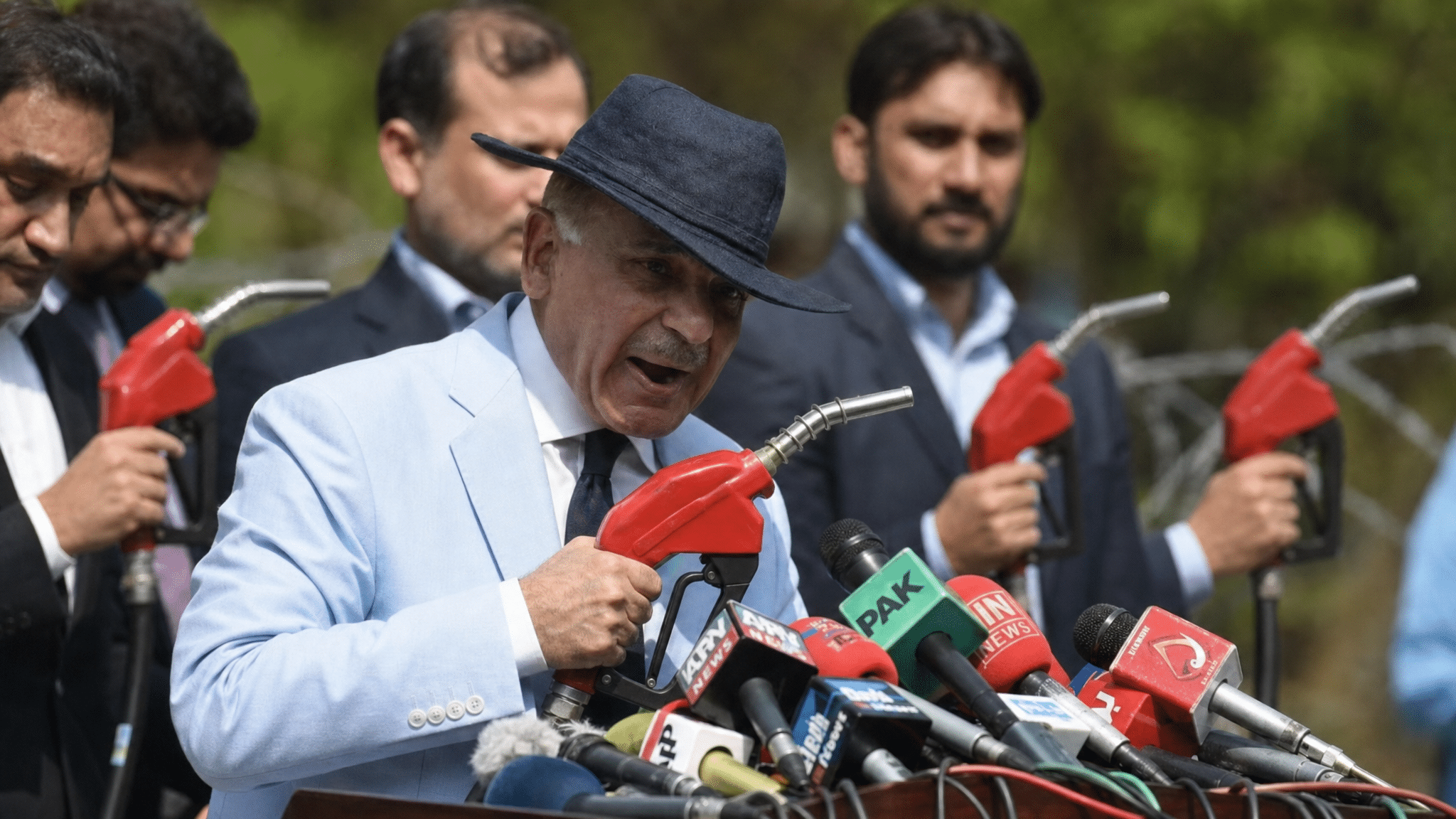
The Pakistani government recently executed a calibrated petroleum levy increase, choosing to absorb international price drops rather than providing direct relief to consumers. Despite a notable cooling in global crude markets following the Iran-Israel tension, domestic prices for petrol and high-speed diesel remain locked at Rs. 299.50 and Rs. 311.47 per liter, respectively. This strategic move ensures the state retains the fiscal benefit of lower import costs.
Structural Mechanics of the Petroleum Levy Increase
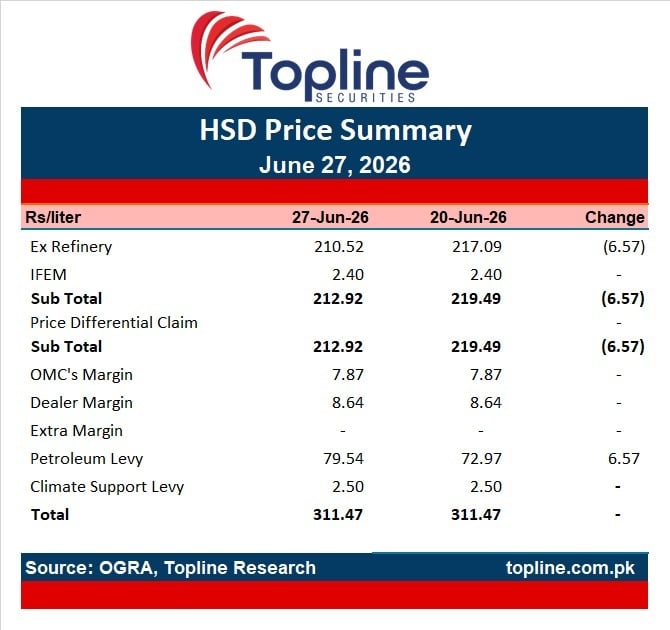
Data from Topline Research reveals a precise offset in pricing components. Specifically, the ex-refinery price of high-speed diesel declined by Rs. 6.57 per liter. However, the government simultaneously raised the petroleum levy increase from Rs. 72.97 to Rs. 79.54 per liter. This exact adjustment neutralized the downward trend, leaving retail prices static for the upcoming fortnight.
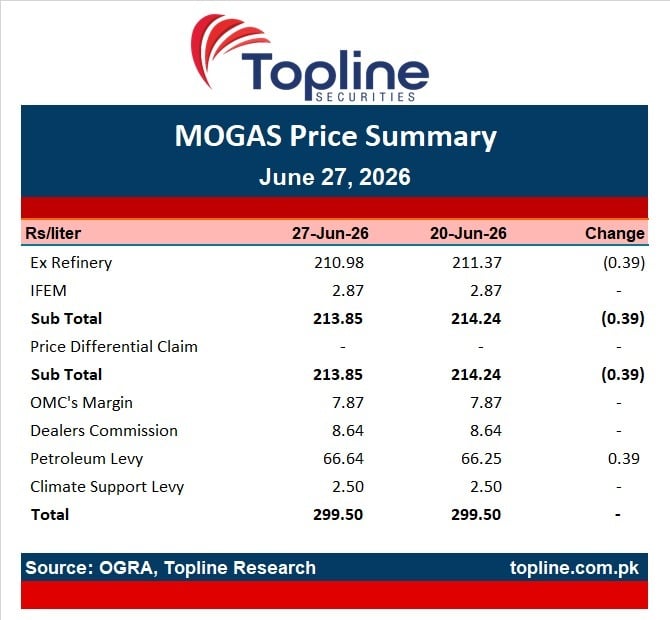
Similarly, petrol saw a marginal ex-refinery easing of 39 paisas. The authorities recalibrated the levy by an equal amount, raising it to Rs. 66.64 per liter. Consequently, the price at the pump remains Rs. 299.50. Other variables, including dealer margins and the Climate Support Levy, remained unchanged during this review cycle.
The Translation: Fiscal Strategy Over Consumer Relief
The logic behind this move is purely structural. By utilizing the petroleum levy increase, the government is capturing “fiscal space” created by lower international benchmarks. This strategy aims to stabilize revenue streams amid persistent economic pressure. Furthermore, it allows oil marketing companies to manage inventories purchased at previously higher rates without incurring immediate losses.
The Socio-Economic Impact: Pressure on the Baseline
How does this change the daily life of a Pakistani citizen? This decision directly impacts the transport, agriculture, and industrial sectors. Because fuel prices remain high, the expected “pass-through” effect on food and commodity prices is delayed. Consequently, urban households and rural farmers will continue to face high operational costs, limiting their immediate disposable income despite favorable global trends.
The Forward Path: Architect’s Perspective
This development represents a Stabilization Move. While it provides the treasury with a much-needed revenue buffer, it misses an opportunity to act as a catalyst for consumer-led growth. To achieve a sustainable momentum shift, the state must eventually transition from revenue extraction to price optimization. Authorities are now considering a monthly review system to improve long-term system efficiency.








