
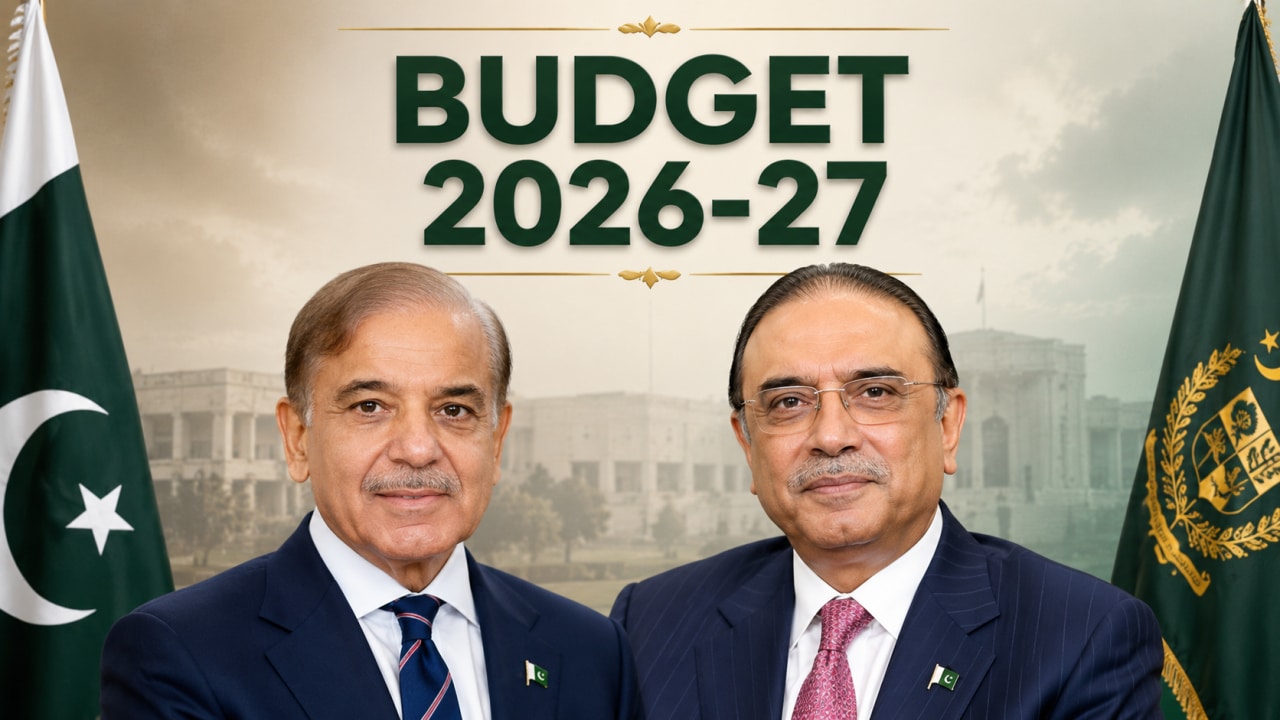
The government recently secured a Federal Budget Consensus with the Pakistan Peoples Party (PPP), marking a calibrated shift toward national fiscal stability. This strategic alignment, finalized at Aiwan-e-Sadr, serves as a catalyst for the upcoming 2026-27 financial roadmap. Consequently, the coalition partners have reconciled their respective recommendations to ensure a streamlined legislative process. Prime Minister Shehbaz Sharif and President Asif Ali Zardari led the precision-focused discussions to resolve previous structural bottlenecks.
Achieving a Strategic Federal Budget Consensus
The high-level engagement involved key stakeholders including Finance Minister Muhammad Aurangzeb and PPP Chairman Bilawal Bhutto Zardari. These leaders reviewed measures to broaden the national tax base while addressing immediate fiscal challenges. Furthermore, technical committees will continue to refine specific proposals to maintain economic momentum. This unified front significantly improves the prospects for the budget’s smooth passage in Parliament.
Calibrating the Fiscal Timeline
Due to ongoing negotiations regarding the Rs. 1.7 trillion provincial contribution for security and social sectors, the government adjusted the fiscal schedule. The National Economic Council (NEC) will now meet on June 10 to approve the macroeconomic framework. Subsequently, the Economic Survey release follows on June 11, with the formal budget presentation scheduled for June 12. This revised timeline allows for deeper engagement with the International Monetary Fund (IMF) on expenditure measures.
The Situation Room Analysis
The Translation: Breaking the Deadlock
In “Next Gen” terms, this consensus represents a strategic de-risking of the legislative process. By securing PPP support before the floor session, the government avoids the volatility of mid-session amendments. This logic ensures that the fiscal targets communicated to international creditors remain consistent and credible, facilitating a more predictable economic environment.
The Socio-Economic Impact: Daily Life in Pakistan
For the average Pakistani citizen, this agreement stabilizes the baseline for public relief measures. It directly influences inflation control and the distribution of social safety nets. Specifically, the consensus on taxing strategies suggests a move toward structural equity. This development potentially eases the burden on the middle-class professional while targeting under-taxed sectors to fund public welfare.
The “Forward Path”: Expert Opinion
This development represents a Stabilization Move. While it lacks the aggressive reform profile of a momentum shift, it provides the necessary political floor to prevent a fiscal crisis. It is a calculated step toward system efficiency rather than a radical overhaul, ensuring that the government can fulfill its immediate financial obligations without internal collapse.








