
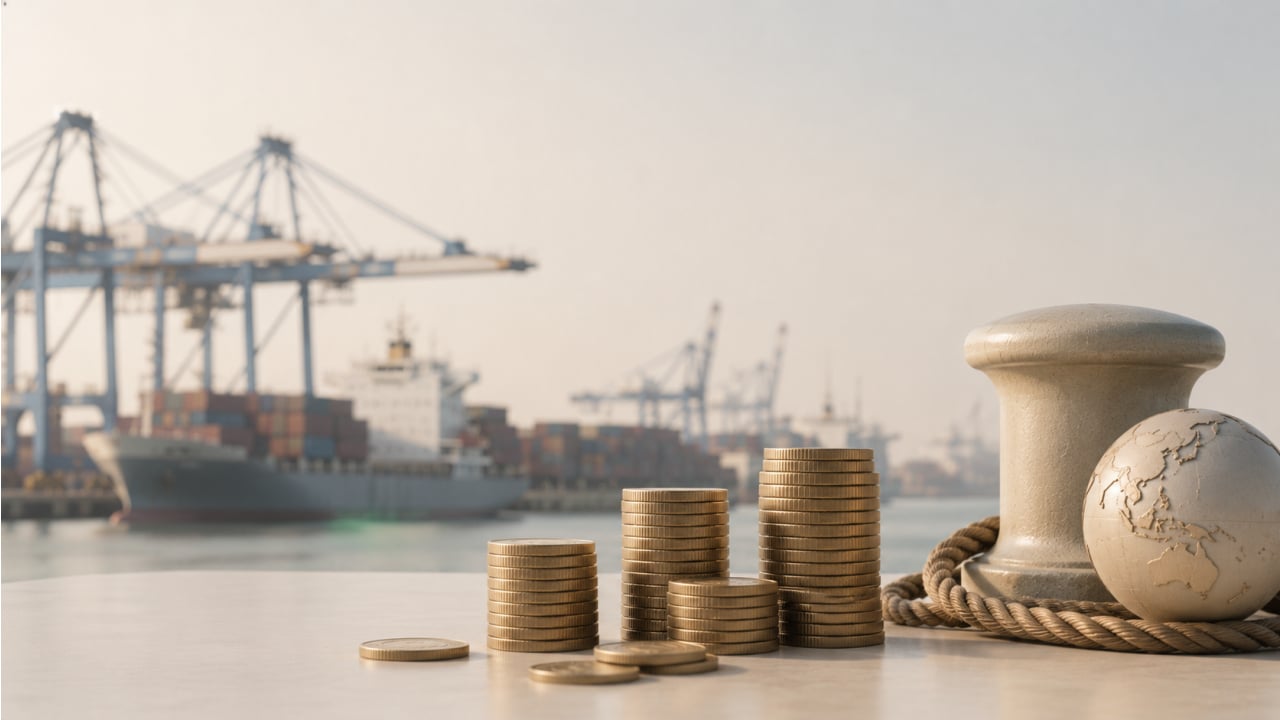
The government has executed a strategic suspension of the proposed 5 percent increase in the Karachi Port tariff for fiscal year 2026-27. This calibrated intervention provides more than Rs. 500 million in immediate relief to the national trade ecosystem. Consequently, this decision serves as a structural buffer for importers and exporters navigating the current economic landscape.
The Translation: Decoding the Strategic Karachi Port Tariff Freeze
Maritime Affairs Minister Junaid Anwar confirmed that this suspension aligns directly with the Prime Minister’s Blue Economy vision. Essentially, the state has prioritized long-term maritime strength over immediate revenue collection. By freezing the Karachi Port tariff, the government is stabilizing the baseline operating costs for the industrial sector. Furthermore, this move prevents the compounding of logistics expenses that often trigger inflationary spikes in the domestic market.
The Socio-Economic Impact: Stabilizing the National Supply Chain
How does this policy shift impact the average Pakistani citizen? Since Karachi Port handles the vast majority of the nation’s seaborne trade, port charges are a critical cost component for almost every physical product. By maintaining the current tariff structure, the government effectively protects the purchasing power of urban and rural households. Additionally, students and young professionals entering the manufacturing sector will benefit from a more predictable business environment, as industries can now project logistics costs with greater precision.
The Forward Path: A Momentum Shift for Pakistan
We categorize this development as a significant Momentum Shift. While often viewed as a simple administrative pause, the decision to forego Rs. 500 million in revenue highlights a strategic pivot toward export-led growth. This move functions as a catalyst for industrial expansion. Moving forward, the government must pair this tariff stability with structural reforms in port efficiency to ensure Pakistan’s maritime sector remains a global competitor.








