
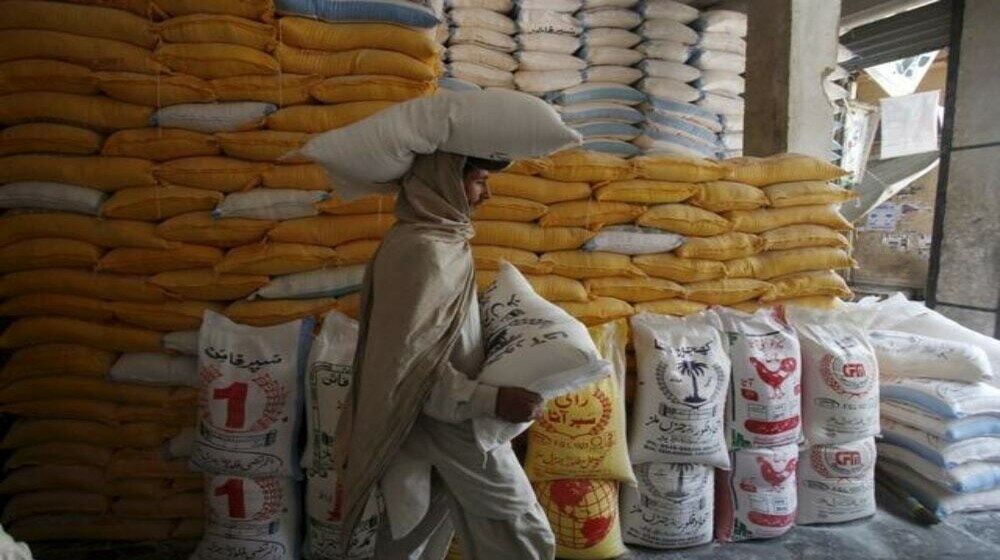
The Economic Coordination Committee (ECC) recently calibrated national food reserves by approving 50,000 metric tons of Khyber Pakhtunkhwa wheat to stabilize the provincial supply chain. Led by Federal Minister for Finance and Revenue Senator Muhammad Aurangzeb, this strategic move aims to reinforce food security across the region during critical demand periods. Consequently, the decision provides a baseline for price stability in the local market.
Strategic Khyber Pakhtunkhwa Wheat Allocation
The Ministry of National Food Security and Research submitted a calibrated summary to the ECC, highlighting the urgent need for structural reserves. Under this authorized mandate, the wheat will be supplied from PASSCO stocks at a fixed rate of Rs. 4,150 per 40 kilograms. This precision pricing ensures that the provincial government can maintain a baseline of affordability for its citizens. Furthermore, the allocation serves as a catalyst for market stabilization, preventing artificial price hikes and ensuring consistent availability.
The Situation Room Analysis
The Translation
While this development appears to be a standard administrative transaction, it represents a precision adjustment of national assets. By moving wheat from federal PASSCO stocks to provincial silos, the government is essentially balancing a national ledger to prevent supply-side shocks in the north. This move ensures that the logistics of food distribution remain uninterrupted despite fluctuating market pressures.
The Socio-Economic Impact
For the average household in Peshawar or Mardan, this decision secures the immediate availability of affordable flour. It directly combats inflation by ensuring that provincial supply meets the local demand, thereby protecting the purchasing power of low-income families and professionals. Therefore, the strategic release acts as a safety net for the most vulnerable segments of the population.
The Forward Path
This development constitutes a Stabilization Move. While it addresses immediate hunger and supply gaps, it maintains the status quo of relying on federal reserves rather than structural agricultural reform. Consequently, while this is a necessary catalyst for short-term peace, Pakistan must transition toward higher provincial self-sufficiency and modernized farming techniques to ensure long-term resilience.








