
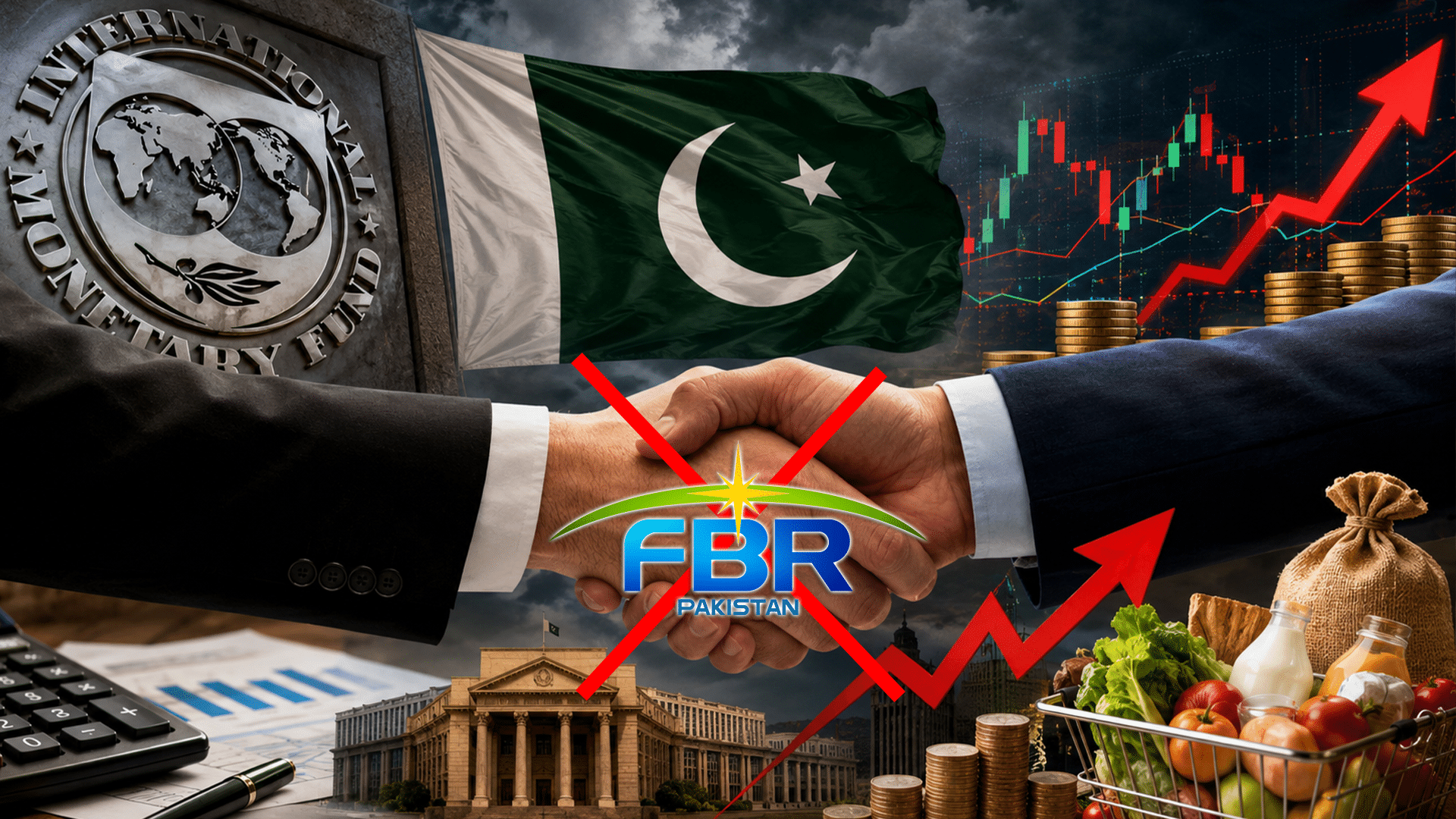
The blueprint for Pakistan’s 2026-27 fiscal framework is currently undergoing a structural revision as the government reviews the latest IMF tax proposals. Specifically, the International Monetary Fund has suggested a 100-basis-point increase in the standard General Sales Tax (GST) to a new baseline of 19 percent. Consequently, this move serves as a catalyst for a broader discussion on national revenue precision and the socio-economic equilibrium of the Pakistani citizenry.
Recalibrating the Indirect Taxation Baseline
The Revenue Division currently maintains a stance of strong opposition to this upward adjustment. Officials argue that intensifying indirect taxation will likely accelerate inflationary pressures on the general public. However, the data suggests that implementing this hike could generate a significant revenue stream of approximately Rs. 250–300 billion. Furthermore, while the Federal Board of Revenue (FBR) aims to hit a calibrated Rs. 13 trillion collection mark, reaching this specific target remains technically uncertain under current conditions.
Strategic Implications of the IMF Tax Proposals
Beyond the standard GST increase, the proposed reforms target sector-specific adjustments to optimize fiscal efficiency. The IMF has recommended terminating the concessional tax status for hybrid vehicles, suggesting an increase from 8.5 percent to the standard 18 percent GST. Additionally, for the retail sector, the fund supports a simplified fixed-tax architecture. Specifically, small retailers with an annual turnover of up to Rs. 200 million would pay a calibrated fee of Rs. 25,000. In exchange, these entities would receive FBR-issued QR code certification and gain exemption from routine audit cycles.
The Translation
The logic behind these IMF tax proposals involves a shift from consumer-incentive models to a revenue-extraction model. By raising the GST and removing hybrid subsidies, the goal is to tighten the fiscal deficit and meet the ambitious Rs. 13 trillion target. Essentially, the system is moving toward a broader, more rigid tax net that prioritizes immediate liquidity over individual purchasing power.
The Socio-Economic Impact
This fiscal calibration directly impacts the daily lives of Pakistanis by increasing the cost of living in urban and rural centers. The hike in hybrid vehicle taxes removes a key incentive for middle-class professionals to adopt greener, fuel-efficient technologies. Furthermore, while the fixed tax for retailers simplifies operations for small businesses, the 19 percent GST will likely manifest as higher prices for essential household goods, putting additional strain on the average professional’s monthly budget.
The Forward Path
This development represents a Stabilization Move rather than a momentum shift toward true progress. While the revenue targets are analytically sound, the strategy relies heavily on taxing existing consumption rather than expanding the tax net to untapped high-income sectors. For Pakistan to achieve a genuine “Next Gen” economic frontier, the focus must shift from squeezing the baseline to precision-targeting systemic tax evasion.








