The global transition toward decentralized identity management reached a new baseline today. Google Wallet is accelerating digital travel by expanding its digital passport feature to additional international territories. This strategic update allows eligible Android users to store a calibrated digital version of their identification. Initially launched in the United States and the United Kingdom, the system now integrates Brazil, Singapore, and Taiwan into its global framework.
Scaling the Digital Passport Feature Globally
The current rollout signifies a structural shift in how travelers manage sensitive documentation. Users holding passports from the following five nations can now utilize the platform:
- United States (Initial baseline)
- United Kingdom (Early expansion)
- Brazil (New integration)
- Singapore (Strategic Asian hub)
- Taiwan (Technological frontier)

This development serves as a catalyst for more efficient airport checkpoints and domestic flight verifications. While physical documents remain a legal necessity for border crossings, the digital version provides a secondary, high-speed verification layer.
Technical Integration and Protocol
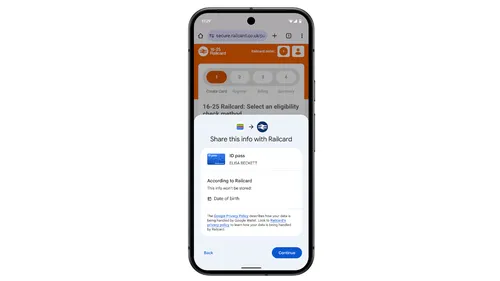
Google has engineered a precise verification process to maintain document integrity. Users initiate the setup by selecting the “ID pass” option within the application. The system requires a high-resolution scan of the photo page. Furthermore, security protocols mandate a short selfie video to confirm biometric alignment. Approval typically occurs within minutes, finalizing the digital onboarding of the identity asset.

The Translation: Clear Context
In technical terms, the expansion of this digital passport feature represents the virtualization of the NFC chip found in physical passports. Google Wallet does not merely store a photo of your ID; it creates a secure, encrypted token. This token interacts with official readers at checkpoints. Consequently, this reduces the friction of manual data entry and minimizes the physical handling of sensitive paper documents in high-traffic environments.
Socio-Economic Impact
This development directly influences the efficiency of the global Pakistani professional and student diaspora. As international hubs like Singapore adopt these digital identity systems, the baseline for “travel readiness” shifts. For Pakistani citizens, this global trend signals a future where mobile-first identity verification becomes the standard. Adopting these technologies reduces processing times at logistics hubs, potentially lowering the operational costs of international transit and enhancing security for mobile professionals.
The Forward Path: Opinion
We categorize this development as a Momentum Shift. The move from physical to digital identity is no longer experimental; it is becoming structural. While the expansion to Brazil and Singapore is strategic, the true value lies in the standardization of the protocol. Pakistan must observe these digital benchmarks closely. To remain competitive in the global digital economy, integrating our national identity databases with international mobile standards will be a critical catalyst for future progress.