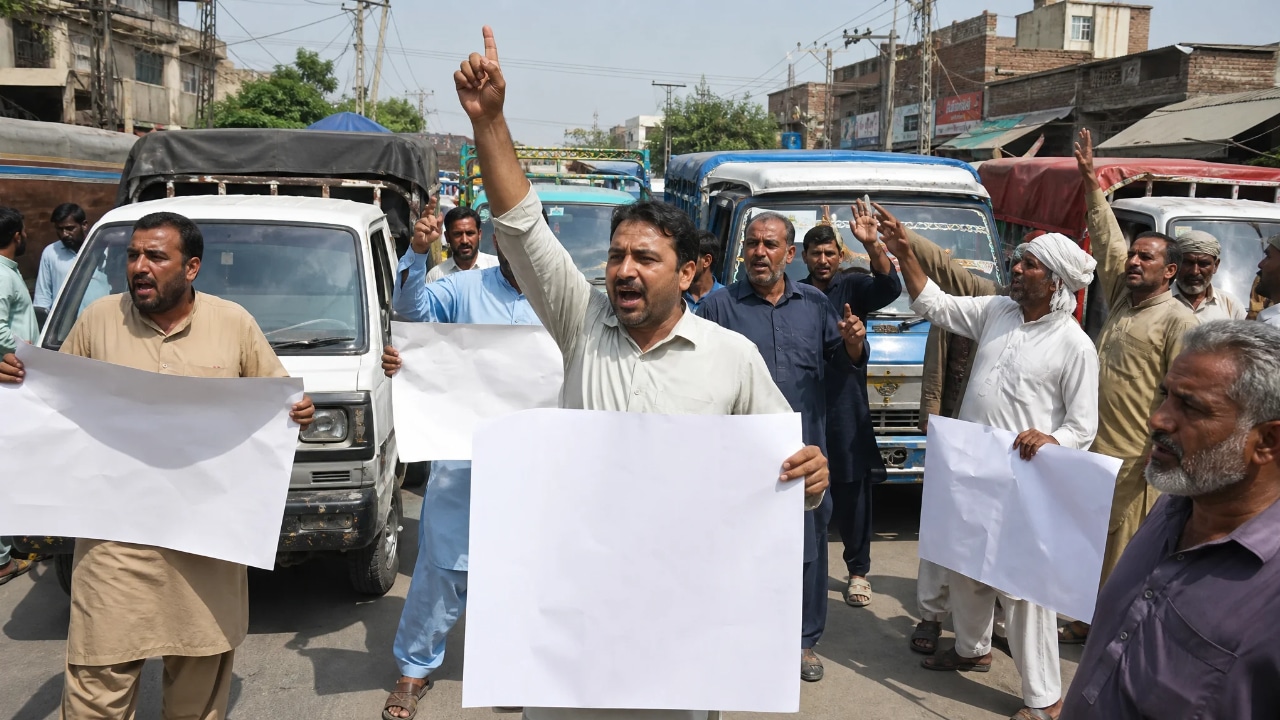
The impending goods transporters protest in Faisalabad serves as a critical baseline indicator of the structural friction within Pakistan’s current taxation framework. As fiscal pressures mount, the Mini Mazda Association has strategically calibrated its response to rising token and toll taxes. Consequently, this movement highlights the urgent need for a more efficient fiscal equilibrium between state revenue and logistics sustainability.
Strategic Calibration: The Goods Transporters Protest Logic
Chairman Chaudhry Aslam recently announced that the goods transporters protest will officially commence on July 21. This decision reflects a calculated effort to address the escalating operational costs that currently destabilize local logistics. Furthermore, the association emphasizes a preference for high-level dialogue over disruptive strikes to maintain economic momentum. However, they remain prepared to escalate their strategic roadmap if authorities fail to provide a constructive response to their precision-based demands.
The Translation: Decoding Fiscal Friction
While “token and toll taxes” appear as mere administrative line items, they represent significant structural hurdles for small-scale logistics operators. In simpler terms, these taxes act as a catalyst for rising transport costs, which eventually inflate the price of every consumer good in the market. The association’s demand is not merely about tax reduction but about maintaining the precision of their business margins within a volatile economic environment.
The Socio-Economic Impact: Ripple Effects in the Hub
For the average Pakistani citizen, this friction in the logistics sector translates directly into price volatility for household essentials. Since Faisalabad is an industrial hub, any disruption in goods transport creates a ripple effect throughout the national supply chain. Consequently, this impacts students and professionals by potentially raising the cost of living while reducing the efficiency of regional commerce and industrial output.
The Forward Path: Momentum or Stabilization?
This development represents a “Stabilization Move.” The association is currently seeking a baseline for negotiation rather than immediate systemic disruption. This approach offers a strategic opportunity for the government to implement precision-based tax reforms. Such reforms could protect the logistics backbone of the nation while ensuring the long-term fiscal health of the transport sector.