
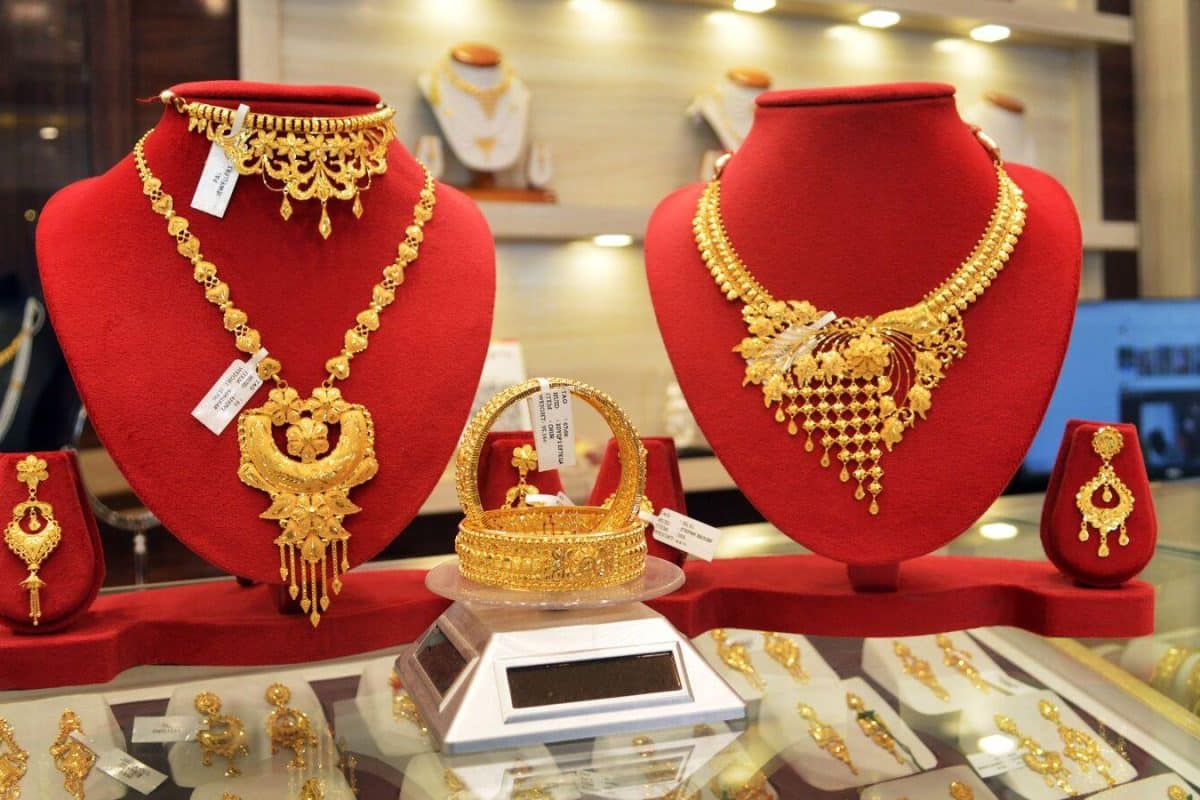
The gold price Pakistan entered a three-day appreciation cycle this Monday, reflecting a strategic alignment with international market shifts. The All Pakistan Sarafa Gems and Jewelers Association calculated a Rs. 300 increase per tola, bringing the current benchmark to Rs. 424,536. Consequently, this persistent rally signals a recalibration of domestic commodity values against a rising global baseline.
Calibrating the Domestic Gold Price Pakistan
Market data reveals a precision-led surge across all precious metal segments. The 10-gram gold valuation rose by Rs. 258 to settle at Rs. 363,971. Furthermore, this follows a significant jump on Saturday where the price gained Rs. 2,400. In parallel, silver prices increased by Rs. 107, reaching a new baseline of Rs. 6,177 per tola.
Key Market Metrics:
- Gold Per Tola: Rs. 424,536 (+Rs. 300)
- 10-Gram Gold: Rs. 363,971 (+Rs. 258)
- International Gold: $4,021 per ounce (+$3)
- Silver Per Tola: Rs. 6,177 (+Rs. 107)
The Translation
The recent fluctuations in the gold price Pakistan stem from a dual-pressure system. Local prices are strategically tracking the $3 international uptick, which propelled global rates to $4,021 per ounce. While the international gain appears marginal, the domestic currency environment amplifies these shifts. Essentially, the market is pricing in global volatility, forcing a structural adjustment in local trading volumes.
The Socio-Economic Impact
This sustained price hike acts as a catalyst for shifting household financial strategies. For the average Pakistani citizen, particularly those planning for seasonal weddings or looking for safe-haven assets, the rising gold price Pakistan increases the cost of traditional wealth storage. In urban centers, this may lead to a temporary contraction in jewelry retail, while rural households may see an increase in the valuation of their existing liquid assets.
The Forward Path
From an architectural standpoint, this development represents a Momentum Shift. The three-day consecutive climb indicates that the market has moved past a simple stabilization phase and is now testing new resistance levels. We anticipate high-cost stability in the short term, as domestic rates continue to synchronize with international precision benchmarks.








