
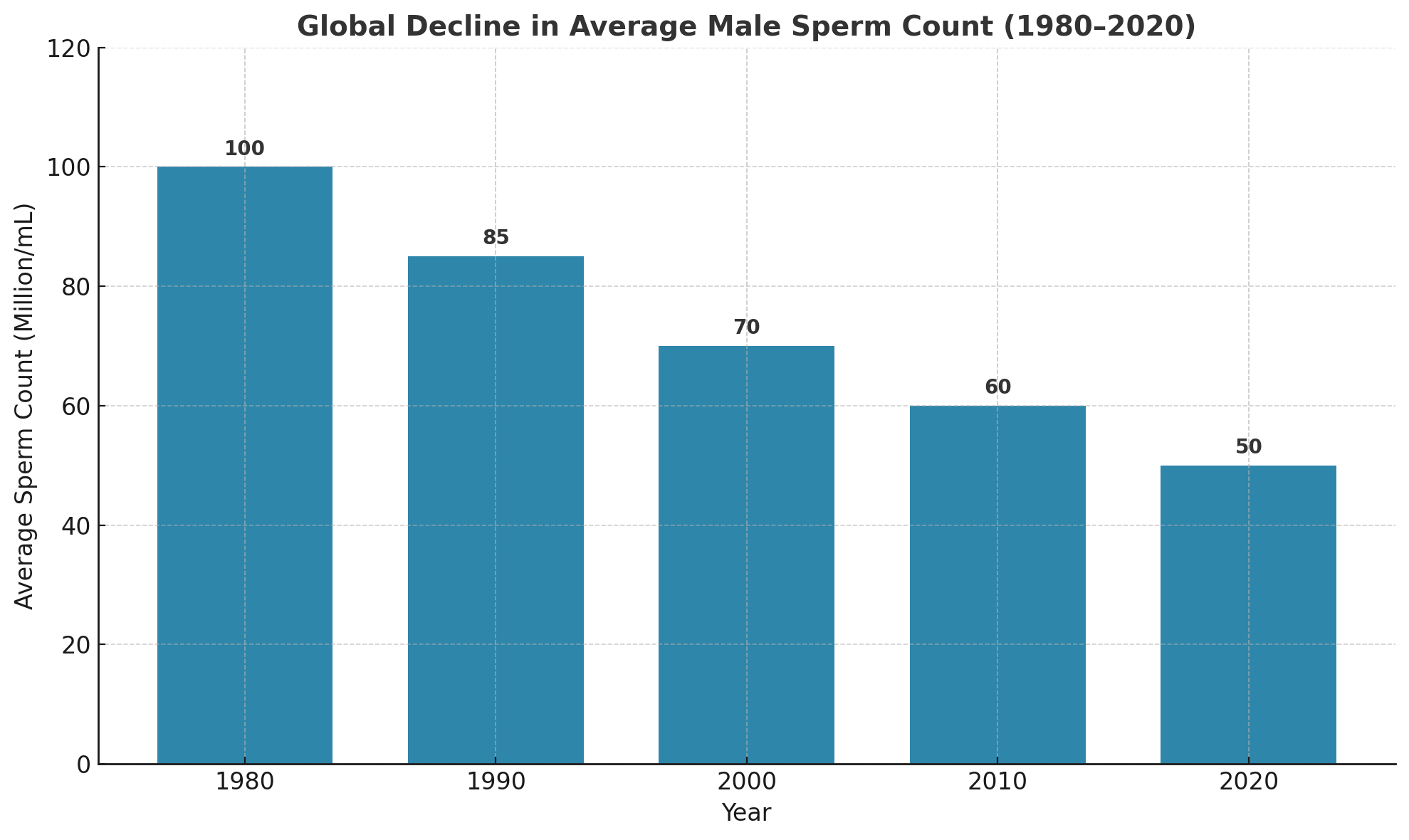
Data indicates that the global sperm count has dropped by more than 50% since the 1970s. This calibrated research suggests that the downward trend has accelerated significantly since the early 2000s. While scientists characterize this decline as a critical environmental concern, they clarify that it does not signal an immediate cessation of human reproduction. Currently, average counts remain within the functional baseline required for fertility in most men. However, the accelerating trajectory demands a strategic investigation into our modern biological environment.
Environmental Catalysts and the Global Sperm Count Trend
Medical experts view sperm quality as a precision indicator of systemic male health. The data identifies a combination of environmental pollutants and specific lifestyle variables as the primary drivers of this decline. A significant catalyst involves exposure to endocrine-disrupting chemicals (EDCs). These substances, found in industrial plastics, phthalates, and BPA, interfere with hormonal signaling during critical developmental windows.
Structural Lifestyle Factors
Beyond chemical exposure, modern lifestyle deviations contribute to the declining baseline of reproductive health. Researchers highlight several key factors:
- Calibrated Metabolic Health: Rising rates of obesity and diabetes negatively impact hormone production.
- Systemic Stress: Chronic psychological stress and inadequate sleep cycles disrupt biological homeostasis.
- Sedentary Habits: Lack of physical activity correlates with reduced reproductive efficiency.
Debunking Viral Fertility Interventions
As the public recognizes the drop in global sperm count, unverified “fertility hacks” have proliferated across social media. Practices such as testicle icing and red-light therapy lack rigorous clinical validation. Urologists warn against these unconventional methods, noting the absence of evidence-based results. Instead, professionals advocate for established protocols, including smoking cessation, alcohol limitation, and the reduction of exposure to industrial toxins.
The Situation Room Analysis
The Translation (Clear Context)
The core issue is “Hormonal Mimicry.” Endocrine-disrupting chemicals act as biological imposters. When these chemicals enter the body through plastics or pesticides, they bind to hormone receptors, sending “false signals” to the reproductive system. This interference during fetal development can permanently calibrate a lower baseline for sperm production in adulthood.
The Socio-Economic Impact
For the Pakistani citizen, this trend represents a potential demographic and economic shift. Declining fertility rates can lead to smaller family structures and increased reliance on expensive assisted reproductive technologies (ART). For a developing nation, maintaining a healthy, fertile population is essential for the “demographic dividend” that drives economic growth. Increasing healthcare costs related to infertility could strain household savings across both urban and rural sectors.
The “Forward Path” (Opinion)
This development represents a Stabilization Move. We are not facing an immediate extinction event, but we are reaching a biological threshold that requires structural intervention. We must shift from reactive “fertility hacks” to proactive environmental regulation and lifestyle precision. Reducing plastic dependency and improving metabolic health are the strategic levers required to stabilize our national reproductive health.