
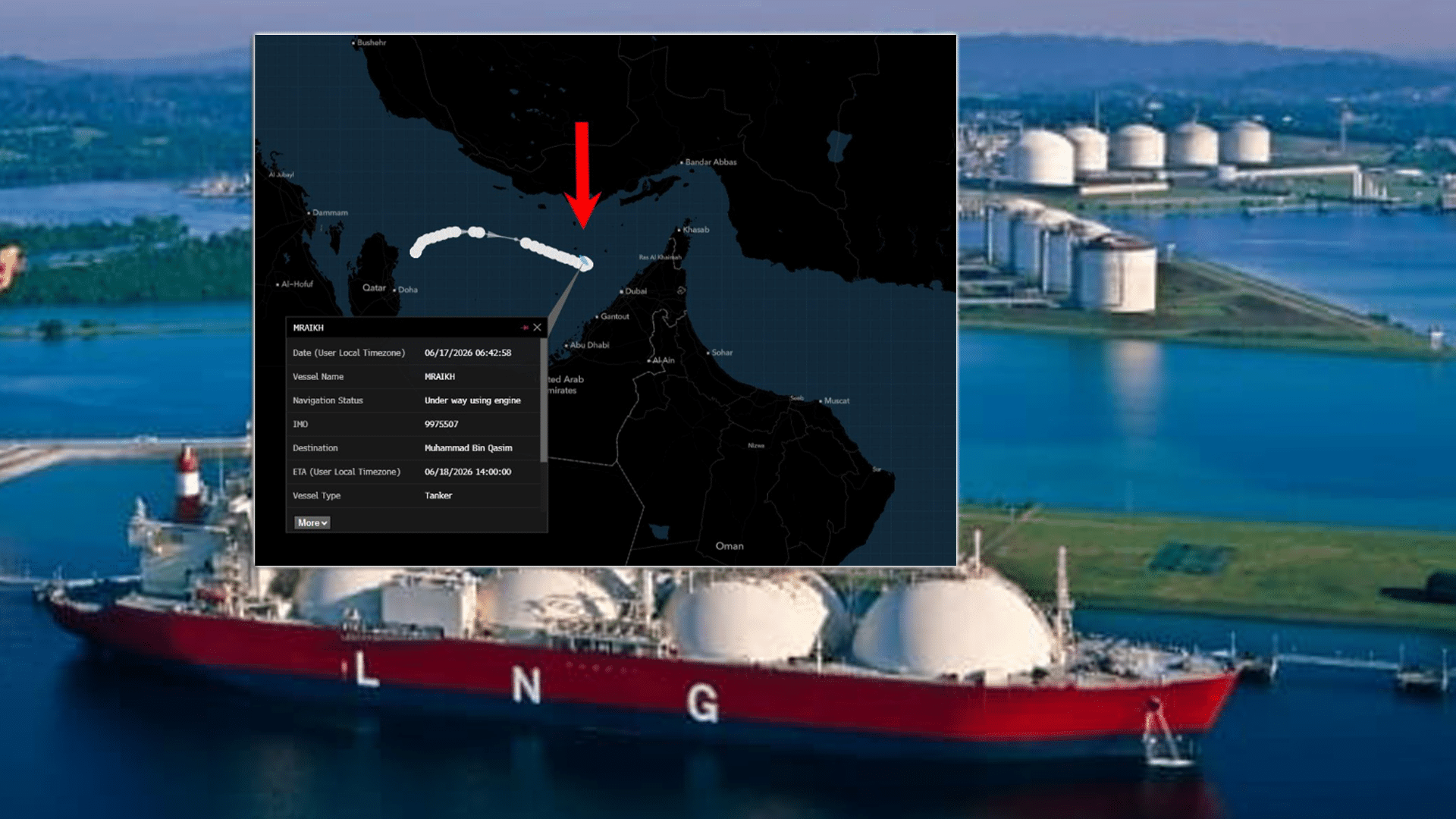
Ensuring energy security is a baseline requirement for national stability and industrial growth. Currently, the first post-war LNG cargo from Qatar is navigating the Strait of Hormuz, signaling a calibrated return to standard maritime supply chains. This shipment represents more than just fuel; it acts as a catalyst for economic stabilization following a period of regional volatility.
Navigating the Strait of Hormuz: A Tactical Update
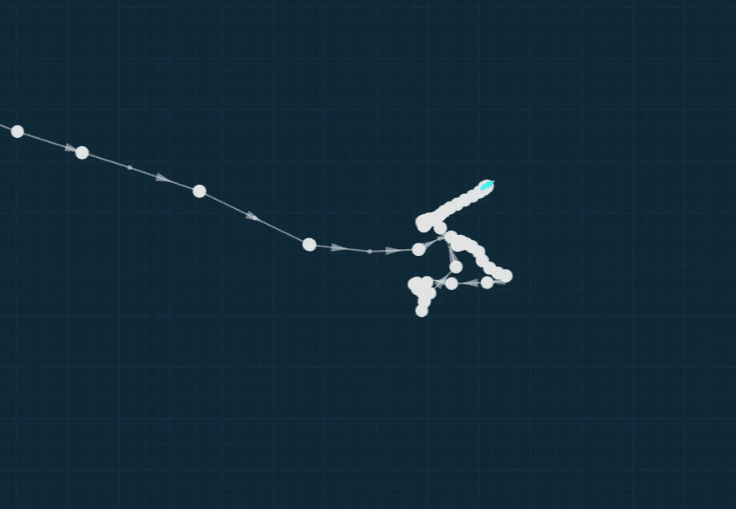
Real-time tracking via Bloomberg terminal software reveals that the vessel is currently nearing the exit of the Strait of Hormuz. Although the ship remains within the perimeter, data shows it performing strategic holding patterns over its designated route. Consequently, the timing of this transit is critical as the region prepares for the highly anticipated 60-day ceasefire signing ceremony scheduled for Friday.
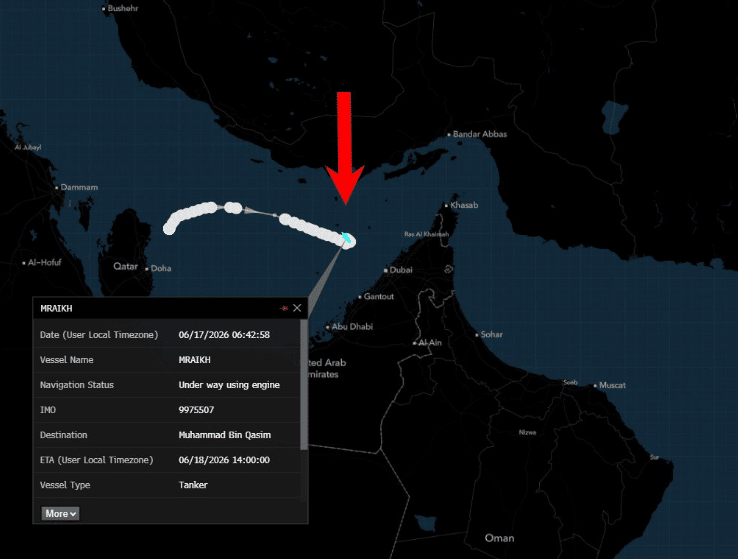
The Strait of Hormuz serves as a precision chokepoint for global energy flows. Any structural disruption at this junction could severely impact delivery logistics and national reserves. Furthermore, should the post-war LNG cargo divert from this route, Pakistan would likely face the volatile international spot market, where prices remain unpredictably high.
The Situation Room
The Translation
In technical terms, the “holding patterns” observed on tracking software suggest the vessel is awaiting a clear security window or a specific diplomatic signal. The transition from war-disrupted maritime routes to a ceasefire-aligned schedule requires precise synchronization. Pakistan’s mediation efforts to de-escalate the US-Iran conflict have strategically positioned the country to prioritize its energy arrivals during this transition period.
The Socio-Economic Impact
For the average Pakistani household and industrial professional, this shipment is a vital component of grid stability. Consistent LNG imports prevent the “load-shedding” cycles that often paralyze small businesses and disrupt education. By securing this cargo through established Qatari contracts rather than the expensive spot market, the state manages to shield citizens from immediate spikes in electricity and gas tariffs.
The Forward Path (Opinion)
This development represents a Momentum Shift for Pakistan. Successfully navigating the first post-war LNG cargo through a sensitive geopolitical corridor demonstrates a high level of diplomatic and logistical precision. Provided that regional stakeholders maintain the ceasefire integrity, this arrival near Karachi will serve as the baseline for a more resilient national energy architecture.

Unless irresponsible external interference occurs before the Friday ceremony, this cargo will reach its destination on schedule. Pakistan continues to rely on these strategic imports to fuel the next generation of industrial advancement.








