
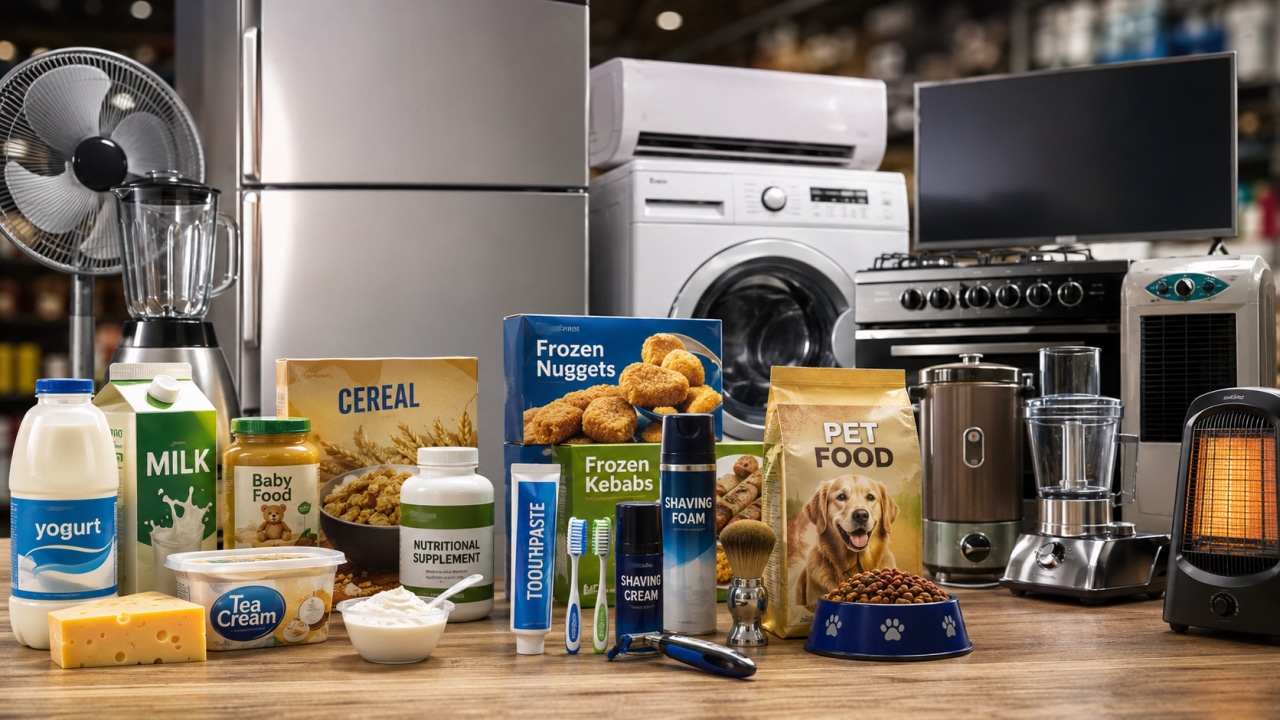
The Federal Board of Revenue (FBR) is currently calibrating a strategic tax printing mandate for the upcoming Federal Budget 2026-27. This initiative targets approximately 20 categories of high-velocity consumer goods to mitigate sales tax evasion across the country. Consequently, the government anticipates a revenue surge of Rs. 60 billion through enhanced retail transparency and structural documentation. By integrating these products into the Third Schedule of the Sales Tax Act, the FBR effectively mandates the clear disclosure of tax liabilities at the point of manufacture.
How the Tax Printing Mandate Secures Retail Integrity
Under this precision-driven regime, manufacturers and importers must prominently display both the retail price and the specific sales tax amount on product packaging. Traditionally, underreporting and tax liability manipulation have hindered national revenue goals. This structural change prevents such discrepancies by fixing the tax baseline at the production stage. Furthermore, the FBR intends to include essential household items and complex appliances in this disclosure expansion.
Key Product Categories Under Review
- Packaged Dairy: Milk, yogurt, cheese, and specialized tea creams.
- Nutritional Products: Baby food, cereals, and supplements.
- Frozen Foods: Processed meats, kebabs, and nuggets.
- Personal Care: Toothpaste, shaving creams, and brushes.
- Home Appliances: LED televisions, refrigerators, air conditioners, and washing machines.
- Gas Appliances: Stoves, geysers, and cooking ranges.

The Situation Room Analysis
The Translation (Clear Context)
In technical terms, moving products to the Third Schedule shifts the tax collection point from the “supply price” to the “retail price.” Previously, some manufacturers could understate the value they sold to wholesalers to reduce tax. By mandating the tax printing mandate on the final packaging, the FBR ensures the tax is calculated on the price the consumer actually pays, eliminating middle-market leakage.
The Socio-Economic Impact
This development directly empowers the Pakistani consumer by fostering price certainty. When the exact tax amount is visible on a carton of milk or a washing machine box, it prevents retailers from charging arbitrary “extra” taxes at the checkout counter. For the average household, this represents a shield against overcharging and a step toward a fairer, documented marketplace.
The Forward Path (Opinion)
This initiative represents a significant Momentum Shift for Pakistan’s economy. While it adds a layer of logistical compliance for manufacturers, the long-term benefit of a documented retail sector outweighs the initial friction. We view this as a catalyst for systemic efficiency, moving the nation closer to a digital and traceable fiscal framework.








