
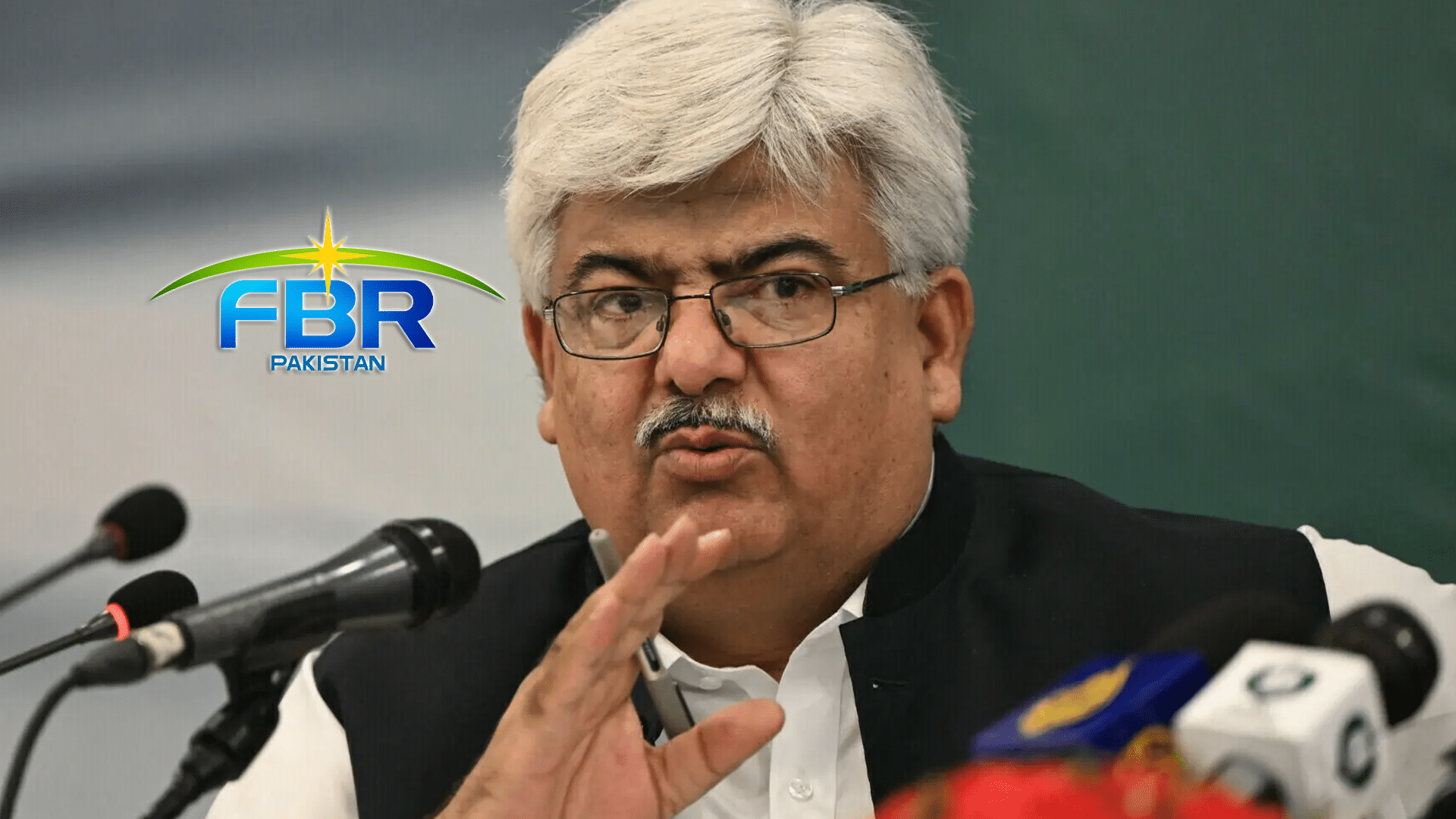
The Federal Board of Revenue (FBR) has confirmed a strategic return to transparency by scheduling a FBR technical briefing immediately following the 2026-27 federal budget presentation this Friday. This session aims to provide clarity on the Finance Bill 2026, allowing journalists and key stakeholders to dissect complex fiscal measures and tax proposals. Consequently, this move signals a calibrated effort to restore the traditional flow of information after last year’s disruptive departure from protocol.
What This Means for Our Digital Frontier: The Translation
Technical briefings serve as a precision tool for the state. While the Finance Minister presents the political vision, the FBR technical briefing focuses on the structural mechanics of the budget. It translates broad legislative language into specific enforcement proposals and tax amendments. By reinstating this session, the government effectively creates a baseline for accurate reporting and public understanding of the fiscal roadmap. Historically, these sessions have filtered technical jargon into actionable data for the market.
The Socio-Economic Impact
This development directly affects the clarity of financial planning for Pakistani households and businesses. When journalists receive a detailed breakdown of tax changes, the information reaching the public is more accurate and less speculative. Furthermore, for students and professionals, this transparency ensures that the impact of the Budget 2026-27 on cost-of-living and business operations is communicated with technical precision. Enhanced clarity in revenue measures reduces market volatility and helps citizens calibrate their economic expectations for the coming year.
The “Forward Path”: Expert Analysis
This restoration represents a Momentum Shift. Restoring the technical briefing is more than an administrative courtesy; it is a catalyst for institutional accountability. By moving away from the centralized briefing model used in 2025, the FBR acknowledges that system efficiency requires specialized scrutiny. This move stabilizes the relationship between the state and the media. Consequently, it ensures that complex tax proposals undergo the necessary expert analysis to identify potential structural bottlenecks before they impact the broader economy.
- Restored Transparency: A return to post-budget technical deep dives.
- Structural Precision: Detailed breakdown of enforcement and revenue measures.
- Stakeholder Alignment: Direct engagement with journalists and fiscal experts.








