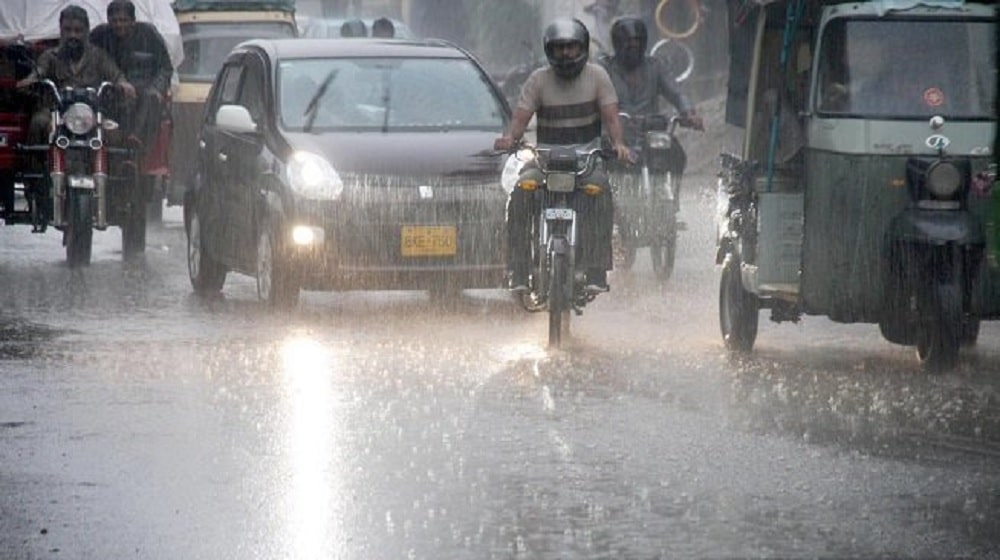
Climate resilience remains a critical baseline for Pakistan’s national stability as the Meteorological Department forecasts expected rain relief across specific geographic corridors. While extreme thermal thresholds persist in major urban centers, calibrated rainfall in Punjab and Khyber Pakhtunkhwa provides a strategic cooling catalyst. Consequently, citizens must balance immediate hydration protocols with the arrival of thunderous precipitation in targeted districts.
Analyzing the Atmospheric Variance: Expected Rain Relief and Persistent Heat
The latest data from the Met Office indicates a divergent weather pattern across the provinces. Consequently, most districts of Punjab will remain under intense thermal stress. However, precision forecasts suggest isolated rain will impact the following regions:
- Lahore and Sheikhupura
- Gujranwala and Sialkot
- Hafizabad, Gujrat, and Narowal

In the federal capital of Islamabad, the weather remains strategically split. Extremely high temperatures will dominate the diurnal cycle, while nocturnal periods may experience high-velocity winds and thunderstorms. This cooling effect serves as a vital reprieve for the capital’s structural energy demands.
Regional Climate Transitions: KP, Sindh, and Balochistan
In Khyber Pakhtunkhwa, the climatic outlook remains largely dry. Despite this, the meteorological model predicts isolated moisture in areas like Chitral, Dir, and Peshawar. These moisture injections are crucial for stabilizing local micro-climates. In contrast, the southern districts of Sindh and Balochistan continue to face a severe heatwave, requiring rigorous adherence to safety protocols.

The Translation: Contextualizing the Forecast
The “Expected Rain Relief” mentioned by weather experts is not a nationwide cooling event but a localized atmospheric discharge. The interaction between rising thermal currents and northern moisture triggers these isolated storms. For the layman, this means that while one city experiences a downpour, a neighboring district might remain under a dangerous heat envelope. This variance requires localized precision in planning daily commutes and outdoor activities.
The Socio-Economic Impact: Life on the Ground
For the average Pakistani citizen, these weather shifts influence everything from daily wage labor to systemic energy consumption. The expected rain relief provides a critical pause in the cooling demands of urban households, potentially lowering the strain on the national power grid. However, the continuing heatwave in Sindh poses a significant health risk to outdoor workers and vulnerable populations, necessitating a focus on public hydration centers and heat-stroke awareness.
The Forward Path: Strategic Momentum Shift
This development represents a Stabilization Move. While the rainfall offers temporary respite, it does not signify the end of the summer thermal peak. We must view these intermittent showers as a calibrated cooling mechanism rather than a permanent climate shift. Moving forward, the focus must remain on building heat-resilient urban infrastructure to manage these intensifying thermal fluctuations sustainably.