
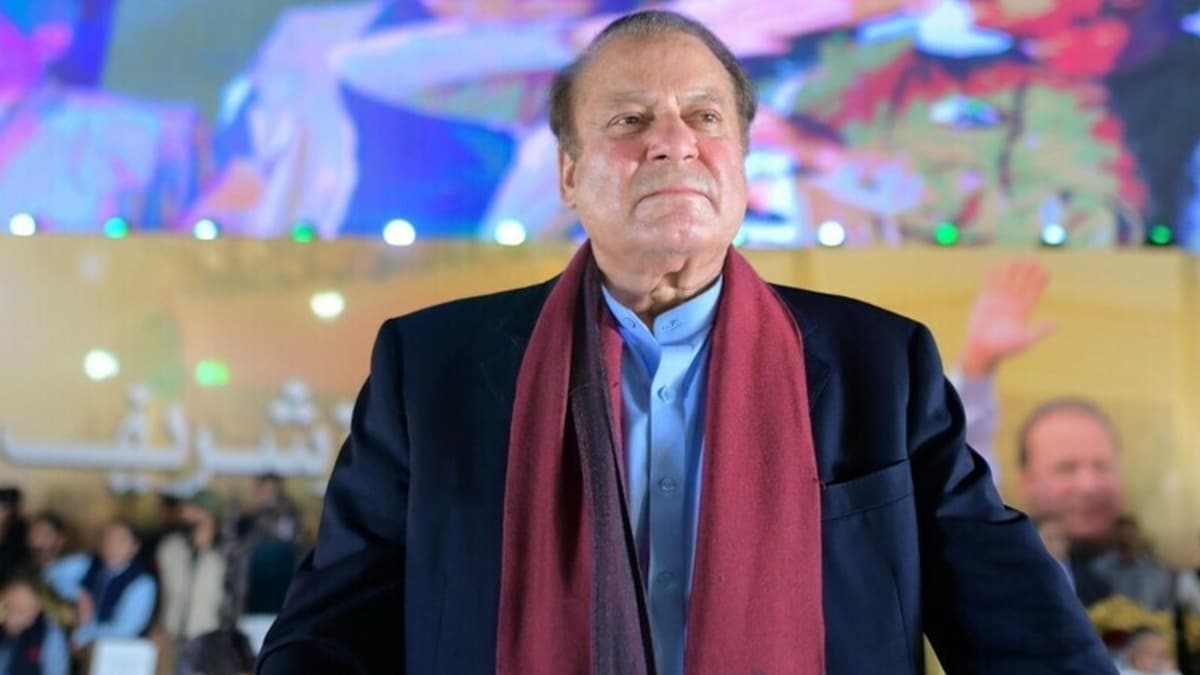
The preservation of architectural history serves as a critical baseline for national advancement. Consequently, the Punjab government recently calibrated its leadership by appointing former Prime Minister Nawaz Sharif as Chairman of the Lahore Heritage Revival Board. This strategic appointment signifies a high-level commitment to urban renewal and the structural restoration of Pakistan’s cultural epicenter. Nawaz Sharif, currently serving as the president of PML-N and representing NA-130, will now spearhead the conservation of historic zones.
Executing the Lahore Heritage Revival Mandate
The Punjab Local Government and Community Development Department issued the formal notification on July 23. This directive empowers a newly constituted board under Section 8-A of the Punjab Walled Cities and Heritage Areas Authority Act, 2012. Furthermore, the board assumes immediate responsibility for oversight regarding conservation and urban development projects. The primary objective involves protecting key landmarks while promoting the architectural legacy of the city. Therefore, this move aligns with the 2025 heritage conservation drive launched under the Lahore Authority for Heritage Revival (LAHR).
The Translation: Clear Context
This appointment shifts heritage management from a purely administrative function to a high-priority political objective. By invoking the 2012 Act, the government creates a legal foundation for rapid urban renewal. Specifically, the board acts as a centralized authority to bypass bureaucratic stagnation. This ensures that restoration projects receive direct executive oversight and strategic funding. Consequently, the logic here is to treat cultural heritage as a vital economic and structural asset rather than a static relic.
The Socio-Economic Impact
How does this development affect the average Pakistani citizen? Urban renewal in historical zones directly correlates with increased property values and improved local infrastructure. For small business owners in Lahore, the restoration of landmarks acts as a catalyst for tourism and increased foot traffic. Moreover, students and professionals benefit from modernized urban spaces that maintain cultural integrity. In rural and urban Punjab, this project reinforces a sense of national pride and historical continuity, which is essential for social stability.
The Forward Path: Innovator’s Opinion
This development represents a Momentum Shift for Pakistan’s cultural infrastructure. While heritage preservation often remains sidelined in developing economies, the creation of this board suggests a transition toward systemic efficiency. The success of this initiative will depend on the board’s ability to balance modern development with historical precision. If executed with precision, this model could serve as a blueprint for other historical cities across the nation, effectively turning history into a driver for future progress.








