The Structural Impact of the Europe Heatwave
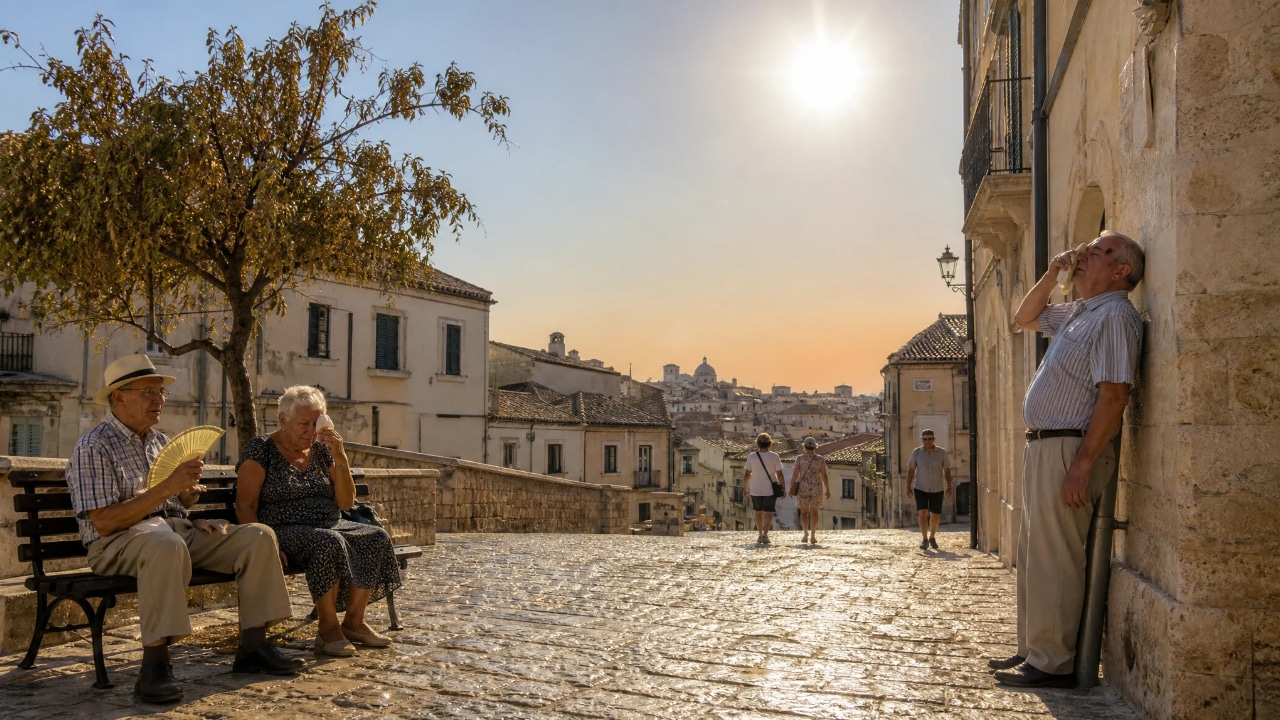
A calibrated analysis of mortality data confirms that the Europe heatwave killed nearly 10,000 people in June alone. This extreme atmospheric event demonstrates a critical failure in current climate adaptation strategies. Data provided by European officials indicates that approximately 9,000 victims were aged 65 or older, identifying this demographic as the baseline of biological vulnerability during systemic heat spikes.
Regional Fatality Distribution
The statistical breakdown across 27 nations reveals a geographically diverse impact. England and Wales reported a combined 2,700 deaths, while France and Spain recorded a collective total exceeding 2,000 fatalities. Consequently, experts identify climate change as the primary catalyst, extending the duration and intensity of these thermal events. This shift places elderly populations and vulnerable urban groups under a sustained and growing health risk.
- United Kingdom: 2,700 reported fatalities in England and Wales.
- Western Europe: Over 2,000 deaths across France and Spain.
- Demographic Focus: 90% of casualties were senior citizens (65+).
Wildfire Escalation and Saharan Interference
In Catalonia, Spain, civil protection authorities recently issued high-level alerts as the region entered its third consecutive thermal surge. This Europe heatwave cycle includes the influx of Saharan dust, further complicating air quality and respiratory safety. Fire brigades have deployed extra staff and control rooms to mitigate rising wildfire risks as temperatures peak in regions like the Lleida Pyrenees and Ponent.

The Translation
This event is not merely a “hot summer”; it is a systemic thermal breach. The logic behind these fatalities lies in the inability of older infrastructure and biological systems to dissipate heat during prolonged exposure. When “Sahara dust” and “thermal peaks” coincide, the atmospheric load exceeds the cooling capacity of traditional urban centers, transforming cities into heat traps.
The Socio-Economic Impact
For the Pakistani citizen, this development serves as a precision warning. As Europe—a region with superior infrastructure—struggles with 10,000 deaths, the impact on Pakistan’s dense urban centers could be significantly more severe. This crisis affects the daily lives of local households by necessitating immediate investments in heat-resilient housing and community-based elderly care protocols to prevent similar casualty rates during our own peak summer cycles.
The Forward Path
This development represents a Momentum Shift in the global climate crisis. We are no longer observing a theoretical threat; we are witnessing a structural failure of public health against environmental extremes. To maintain stability, nations must transition from reactive emergency alerts to proactive, architectural cooling solutions and precision-targeted healthcare for the elderly. The Europe heatwave is a catalyst for a global rethink of urban safety.