
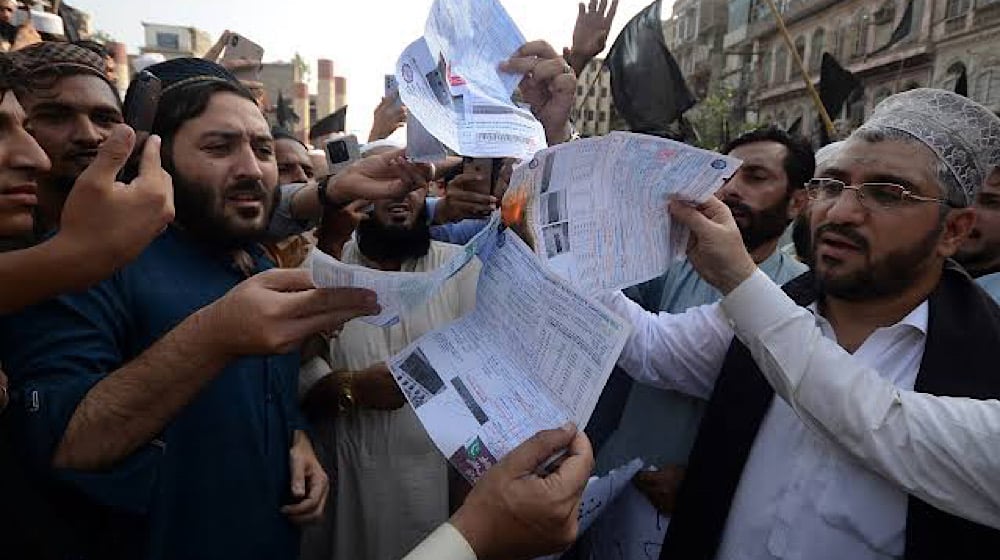
Recent data from the Pakistan Electricity Review 2026 indicates that Pakistan’s grid demand faces a structural misalignment as consumers pivot toward decentralized energy solutions. Specifically, grid electricity sales increased by a marginal 1.7% in FY25, reaching 111 TWh. In contrast, the total number of electricity consumers grew by a robust 5.3% during the same period. This divergence signals a calibrated shift where households and industries remain connected to the system but prioritize independent power generation.
Analyzing the Shift in Pakistan’s Grid Demand
The long-term trajectory confirms a severe decoupling of economic growth from traditional utility consumption. Although Pakistan maintains a 2% annual population growth and 3% GDP growth, grid electricity sales declined by roughly 1% annually over the last five years. Consequently, this data suggests that the national baseline for energy is no longer tethered to the formal grid. Domestic connections rose 6% in FY25, yet sales only climbed 4%, reflecting a lower average consumption per connection.

The “Situation Room” Analysis: The Translation
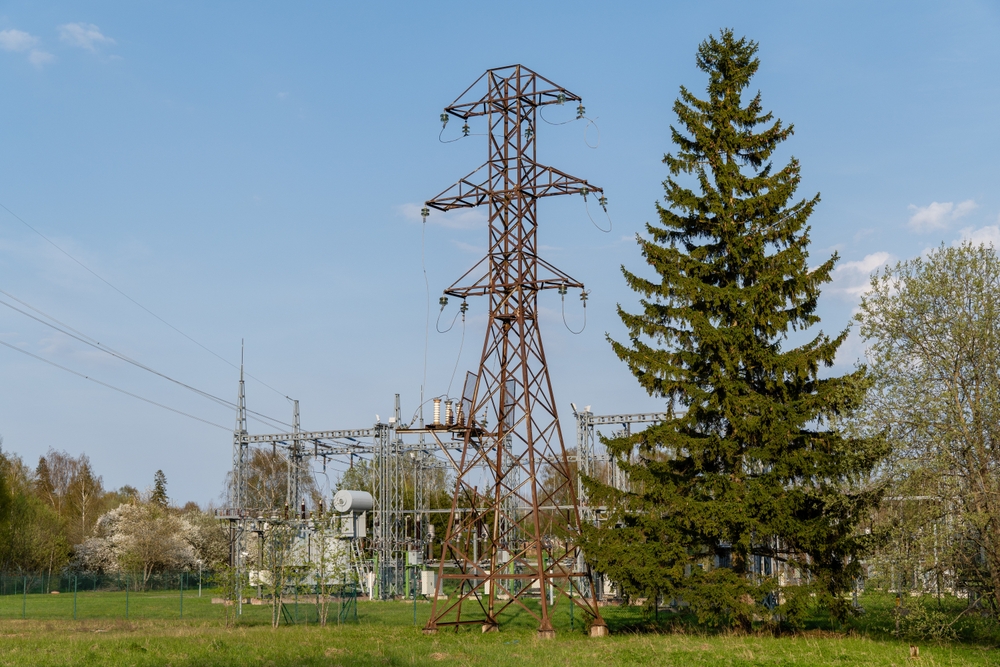
In technical terms, Pakistan is witnessing a “Death Spiral” of centralized utility logic. The system was engineered for a high-volume, centralized sales model. However, high tariffs act as a catalyst for “Grid Defection.” When the cost of grid power exceeds the levelized cost of solar, consumers optimize their financial baseline by installing rooftop PV systems. Therefore, the grid effectively becomes a backup service rather than a primary energy provider.
Socio-Economic Impact: Life Beyond the Wire
This structural shift directly impacts the daily lives of Pakistani citizens, particularly in the agricultural and middle-class sectors. Farmers have already led the way, with grid electricity use in agriculture dropping a staggering 47% between FY22 and FY25. This move toward solar-powered irrigation offers precision control over costs. For urban households, the adoption of solar provides a strategic buffer against inflation, though it leaves the grid with a smaller pool of consumers to cover massive fixed costs.
- Agricultural Independence: Farmers are no longer at the mercy of grid load-shedding schedules.
- Economic Resilience: Small businesses are stabilizing their operational costs through decentralized power.
- Grid Strain: Distribution companies (DISCOs) face revenue shortfalls as their highest-paying customers move off-grid.
The Forward Path: An Expert Opinion
We characterize this development as a Momentum Shift toward energy democratization. The old architectural model of a centralized grid is becoming obsolete. To remain relevant, the state must transition from a “Power Seller” to a “Grid Platform Provider.” This requires a strategic recalibration of net metering policies and investment in smart-grid technology to manage bidirectional energy flows. Failure to adapt will only accelerate the irrelevance of the national infrastructure.









