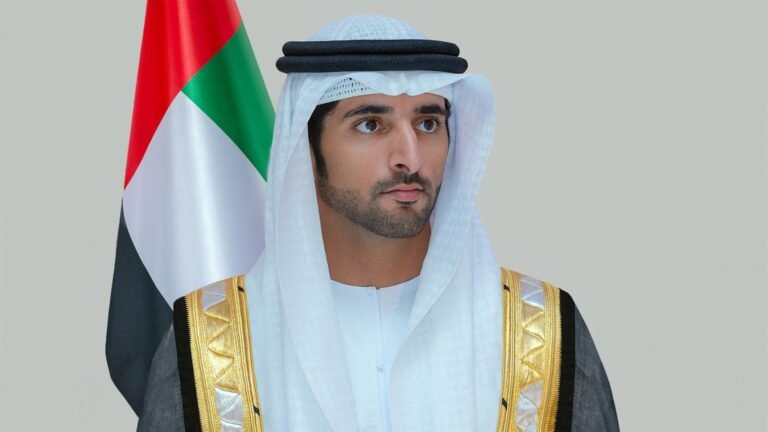
Dubai’s Knowledge and Human Development Authority (KHDA) recently confirmed that Dubai school fees will remain frozen for the 2026–2027 academic year. This strategic directive, issued by Sheikh Hamdan bin Mohammed bin Rashid Al Maktoum, serves as a baseline for regional economic stability. Consequently, families and education providers can expect a predictable financial environment during the upcoming cycle.
Strategic Context: The Dh2.5 Billion Catalyst
The decision aligns with Dubai’s broader vision to calibrate its economic framework through targeted incentives. This announcement follows the approval of a second economic stimulus package worth Dh1.5 billion. Currently, the total value of these support measures has reached an impressive Dh2.5 billion. Furthermore, the package includes 33 distinct initiatives designed to fortify various sectors, specifically focusing on the precision of education delivery.
Structural Support for Dubai School Fees and Providers
The government is not merely capping costs; it is actively subsidizing the operational ecosystem. Under the new measures, KHDA-regulated private schools will benefit from deferred license renewal fees and installment-based payment plans. Additionally, early childhood centers will receive total exemptions from certain municipal fees and fines. These calibrated interventions ensure that the freeze on Dubai school fees does not compromise the quality of institutional infrastructure.
Scaling the Education Frontier
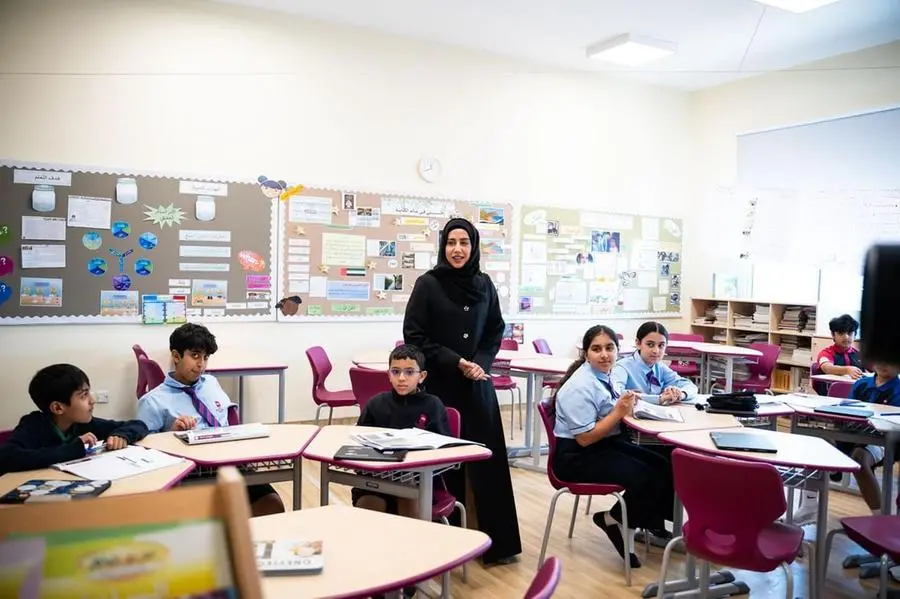
Despite the freeze, the sector continues to demonstrate robust growth. Enrollment in Dubai’s private schools increased by 6% in 2025, reflecting a persistent demand for high-quality curricula. Authorities have already added 9,000 new affordable seats this year, with plans for another 7,500 over the next 24 months. Precision in urban planning ensures that as the population grows, the educational baseline remains accessible to all demographics.
The Situation Room: Analysis
The Translation
The logic behind this move is “supply-side subsidization.” By deferring license fees and freezing rents for school operators, the government removes the primary triggers for tuition hikes. In essence, the state is absorbing the inflationary pressure so that the end-user—the parent—does not have to. This maintains the competitiveness of the Dubai school fees structure on a global scale.
The Socio-Economic Impact
For the thousands of Pakistani expatriate professionals and households in Dubai, this policy provides immediate liquidity relief. Education typically accounts for a significant portion of household expenditure. By stabilizing these costs, the government enables families to allocate capital toward other sectors, such as local investment or savings, thereby stimulating the broader economy without increasing the cost of living.
The Forward Path
This development represents a Momentum Shift. While a fee freeze might appear to be a “stabilization move,” the accompanying Dh1.5 billion incentive package suggests an aggressive push for growth. By protecting the education sector from volatility, Dubai is positioning itself as the most stable environment for human capital development in the MENA region. The system is operating with high efficiency, balancing investor returns with social welfare.