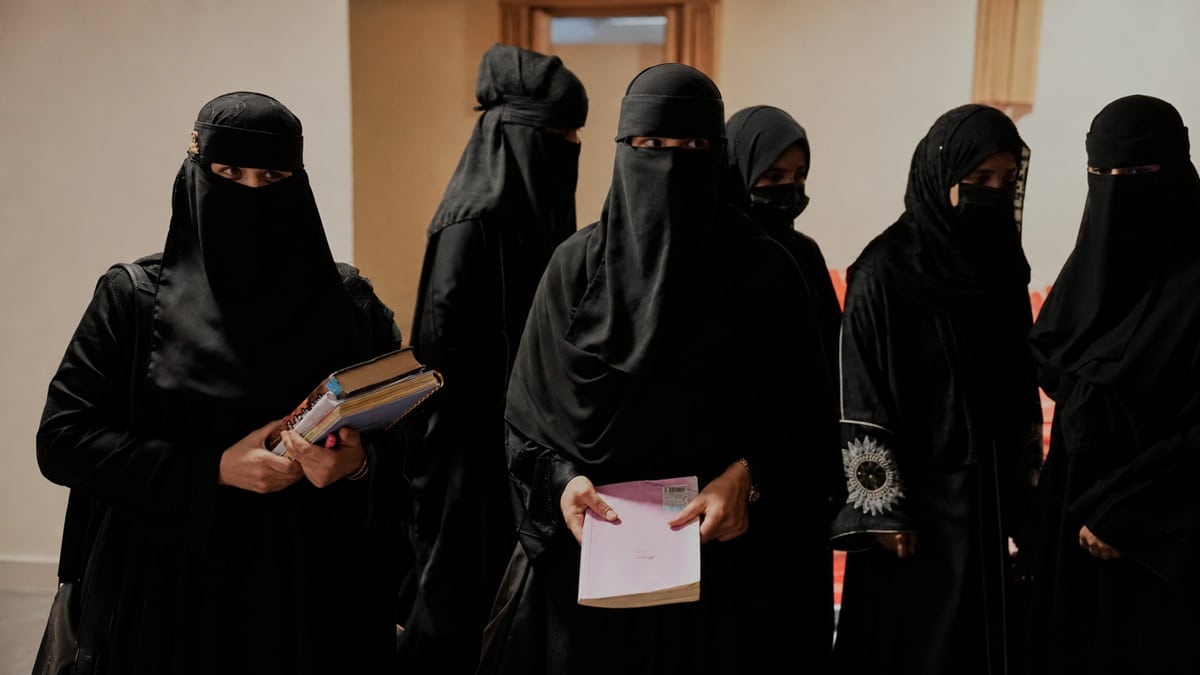
Denmark is currently engineering a significant policy shift through the proposed Denmark burqa ban within schools and universities. This legislative move aims to dismantle “parallel societies” by restricting full-face coverings in educational environments. Consequently, the government seeks to foster a more unified social fabric by enforcing high-visibility communication in classrooms.
The Denmark Burqa Ban and the “Parallel Society” Concept
Prime Minister Mette Frederiksen’s administration defines “parallel societies” as urban enclaves where non-Western immigrant backgrounds exceed 50% of the population. Specifically, the government argues that these enclaves often harbor “negative social control” which inhibits individual autonomy. By extending the 2018 public space ban to educational institutions, officials intend to catalyze deeper cultural integration.
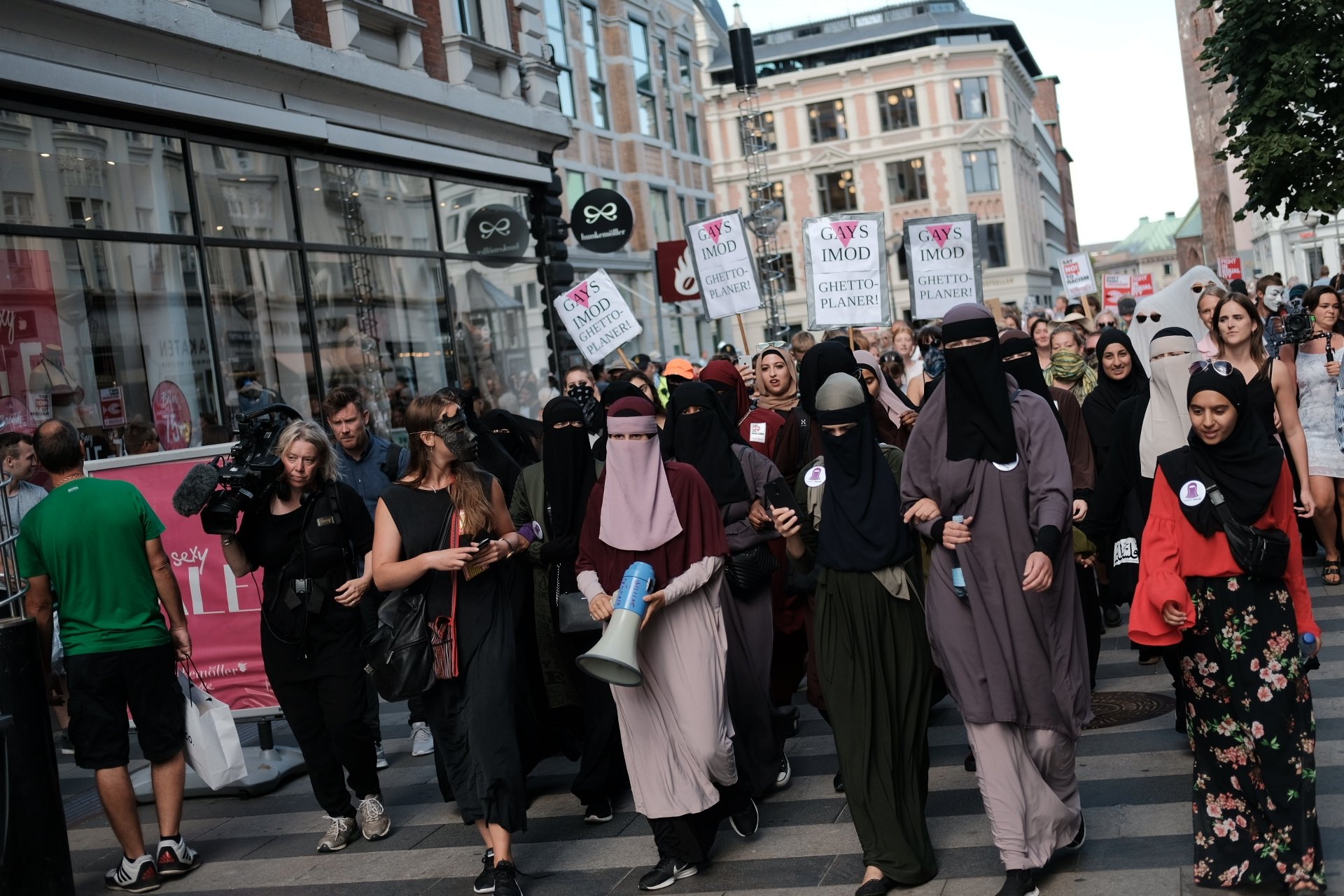
According to reports from the Danish immigration ministry, this proposal is part of a broader package of structural reforms. Although previous elections delayed these measures, the current government is now prioritizing their implementation. Critics, however, argue that the actual number of students wearing burqas is statistically negligible, suggesting the policy serves as a symbolic political signal.
Economic Penalties and Enforcement Framework
The proposed framework includes strict calibrated penalties for non-compliance. Currently, repeat offenders of the existing public ban face fines of up to 10,000 Danish kroner, approximately £1,300. This fiscal deterrent underscores Denmark’s position as a leader in European immigration restrictions. Furthermore, both center-left and right-wing parties align on maintaining these rigorous asylum policies.
The Situation Room Analysis
The Translation (Clear Context)
In the “Next Gen” framework, “parallel societies” refers to isolated urban ecosystems that function independently of the national mainstream. The Danish government views these ecosystems as a failure of structural integration. Therefore, the ban is not merely about attire; it is a calibrated attempt to force linguistic and social interaction within the state’s educational architecture.
The Socio-Economic Impact
For the Pakistani diaspora and other Muslim professionals in Denmark, this policy represents a heightening of the “integration threshold.” While it aims to improve communication, it may inadvertently create friction in the educational pursuit of conservative students. For the average Pakistani citizen observing from abroad, it highlights a global trend where cultural homogeneity is increasingly linked to national stability and economic participation.

The “Forward Path” (Opinion)
This development represents a Stabilization Move. Rather than introducing a “Momentum Shift” through innovative pedagogical tools, the government is utilizing traditional legislative restrictions to maintain a specific social baseline. While intended to prevent social fragmentation, the precision of the move is questionable given the low prevalence of the practice in Danish universities.