

Achieving Pakistan budget realism is no longer a choice but a structural necessity for national survival. A recent assessment from the Karachi School of Business and Leadership (KSBL) reveals that debt servicing and subsidy expenditures have consistently bypassed official budget allocations for five consecutive years. Consequently, these fiscal deviations undermine the precision required to stabilize the national economy and fund critical infrastructure.
The Structural Gap in Fiscal Projections
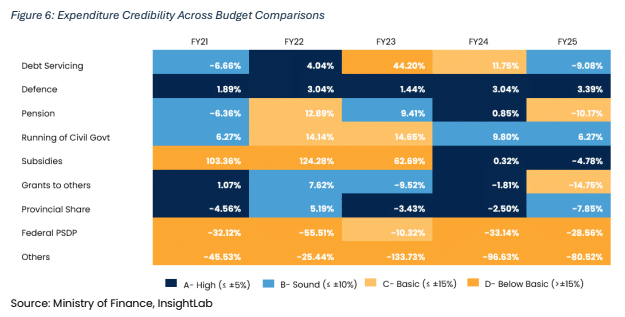
The KSBL report identifies debt servicing as the primary catalyst for expenditure variance. Since the 2023 fiscal year, actual debt payments have systematically exceeded original government estimates. Furthermore, subsidy spending frequently surpassed budgeted limits by substantial margins, creating a calibrated risk to the treasury.
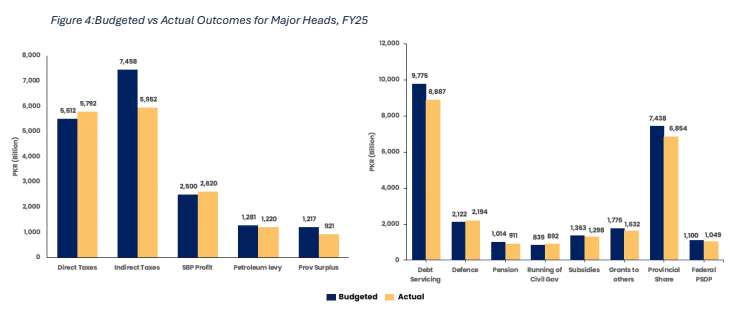
In contrast to the overspending in debt and subsidies, the Federal Public Sector Development Program (PSDP) recorded lower-than-budgeted spending. This misalignment suggests a strategic imbalance where immediate obligations overshadow long-term national development.
The Translation: Breaking Down the Budget Logic
In “Next Gen” terms, the government is effectively “over-promising and under-delivering” on its financial roadmap. Fixed costs like defense and pensions are easy to predict, so they stay on track. However, volatile elements like interest rates (debt) and energy costs (subsidies) are often underestimated to make the budget look healthier on paper than it actually is. This creates a “phantom budget” that disappears when the reality of the global market hits.
The Socio-Economic Impact: What This Means for You
For the average Pakistani citizen, this fiscal inaccuracy results in a tangible “opportunity cost.” Specifically, when the government spends more than planned on debt interest, it must cut spending elsewhere. This usually means:
- Reduced Infrastructure: Delayed roads, bridges, and public transport.
- Education Stagnation: Fewer funds for university grants and STEM research.
- Inflationary Pressure: Unplanned borrowing to cover budget gaps often leads to a weaker Rupee and higher prices at the grocery store.
Strategic Recommendations for Pakistan Budget Realism
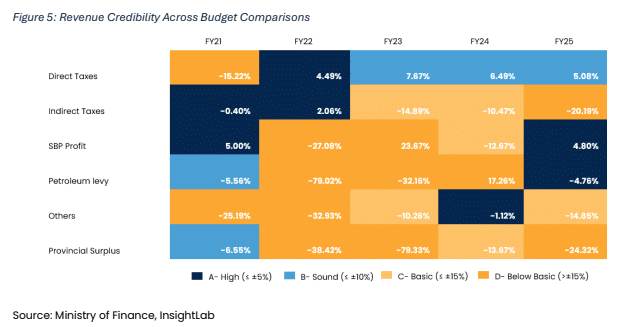
To restore budget credibility, the report advocates for a rigorous scrutiny mechanism. Any budget head that deviates from its target for two consecutive years requires an immediate policy intervention. Future estimates must be calibrated against historical performance data rather than optimistic projections.
The Forward Path: Our Expert Opinion
This development represents a Stabilization Move that is currently failing. While identifying the problem is progress, the repetitive nature of these deviations suggests a lack of structural discipline. For Pakistan to achieve a true “Momentum Shift,” the Ministry of Finance must transition from reactive crisis management to a precision-based fiscal framework that prioritizes development over debt-servicing surprises.








