
Thermal Relief Through Strategic Coastal Airflow
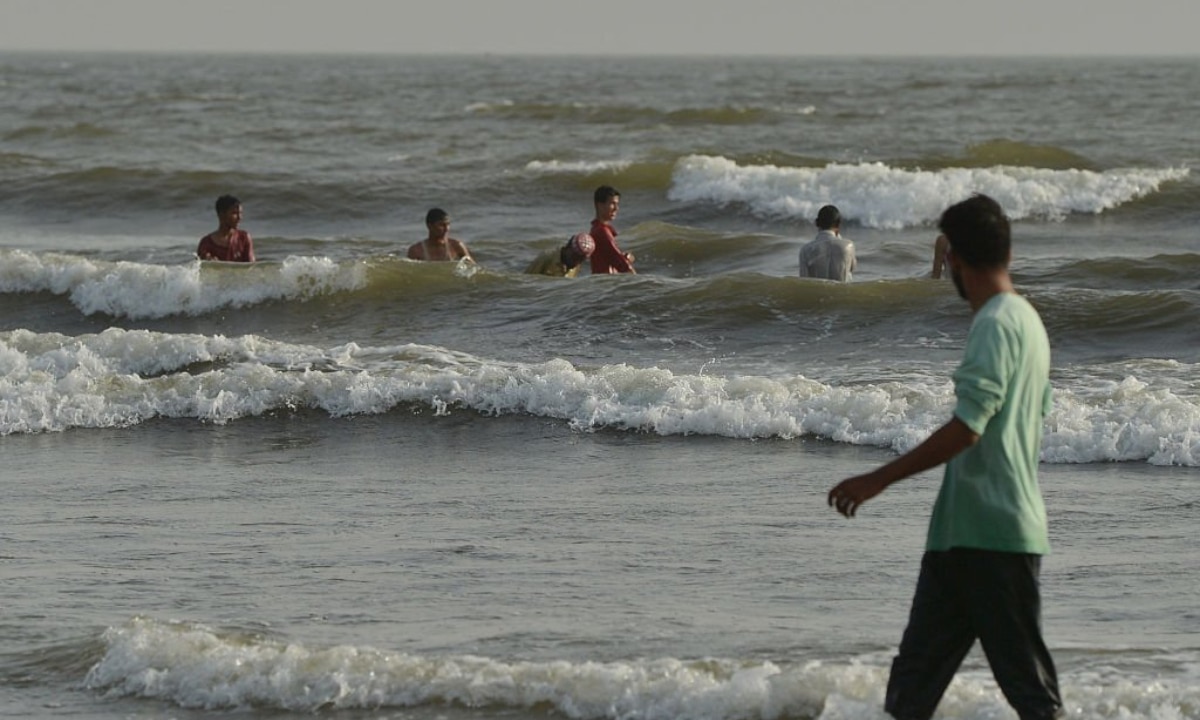
The Karachi sea breeze officially returned to the metropolis on Saturday, functioning as a critical natural cooling mechanism after a period of intense thermal load and high humidity. This atmospheric shift serves as a vital catalyst for regional stabilization, breaking a cycle of extreme discomfort that gripped the city’s residents. Consequently, the Pakistan Meteorological Department (PMD) identifies this transition as a significant move toward climate normalization for the port city.
According to the PMD, southwesterly winds are currently moving across the urban landscape at a calibrated speed of 20 kilometers per hour. Experts expect stronger gusts to persist throughout the day, which will further facilitate the displacement of stagnant, heated air. While the Met Office forecasts partly cloudy weather, the presence of these moist winds remains the primary driver of the current relief phase.
The Physics of the Karachi Climate
Despite the cooling winds, weather conditions maintain a baseline of heat and humidity. The humidity level reached a staggering 72 percent, which significantly influences the heat index. This metric ensures that the perceived temperature remains higher than the actual thermometer readings. Officials estimate that the maximum temperature will fluctuate between 35°C and 37°C. However, the consistent flow of moist air from the Arabian Sea successfully reduces the structural discomfort caused by the previous suspension of coastal winds.
- Wind Speed: Consistent 20 km/h southwesterly flow.
- Humidity Baseline: Recorded at a saturation of 72%.
- Temperature Range: Anticipated peak between 35°C and 37°C.
The Translation: De-coding the Heat Index
To understand the current weather, one must distinguish between absolute temperature and the heat index. While the thermometer may show 35°C, the 72% humidity creates a ‘felt’ temperature that is much more taxing on the human body. The Karachi sea breeze acts as a regulatory system; it doesn’t just lower the temperature, but it facilitates evaporative cooling. When this maritime wind system stalls, the city effectively becomes a thermal trap, making even moderate temperatures feel hazardous.
The Socio-Economic Impact: Protecting the Urban Workforce
The return of the sea breeze directly impacts the productivity and health of Karachi’s millions. For the daily-wage laborer and the outdoor professional, this wind is a life-saving structural intervention. High humidity combined with heatwaves often leads to a spike in heatstroke cases, placing an immense burden on the healthcare infrastructure. Furthermore, improved weather conditions reduce the demand for high-load cooling, which may offer a slight stabilization effect on the local power grid, benefiting households across both urban and rural fringes.
The Forward Path: A Momentum Shift
This development represents a Momentum Shift toward seasonal stability. However, we must view this relief through a lens of precision. Relying solely on natural maritime patterns is a passive strategy. To ensure long-term urban resilience, Karachi must integrate wind corridors into its architectural planning. While the return of the breeze is a welcome catalyst for relief, health experts correctly urge residents to stay hydrated and avoid direct sunlight during peak hours. We must treat this cooling period as a window to optimize our heat management protocols before the next thermal surge.








