
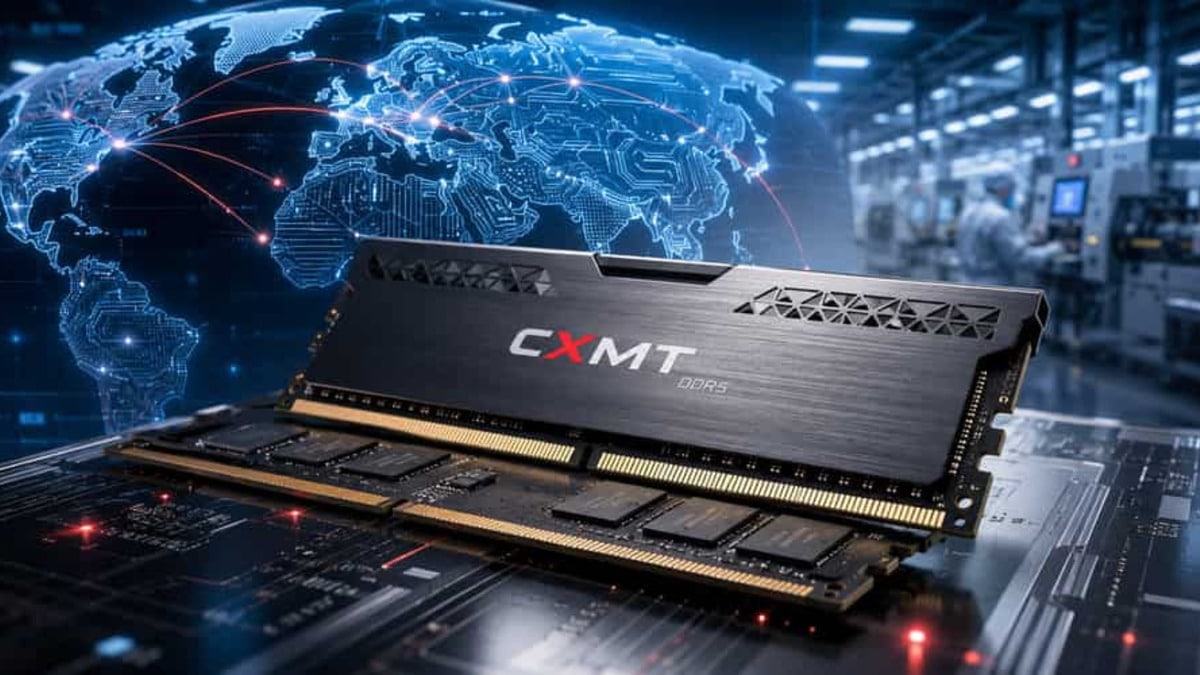
The global semiconductor landscape is witnessing a calibrated shift as Chinese memory chips penetrate mainstream RAM markets. Local manufacturers are aggressively expanding production to meet the intense global demand driven by artificial intelligence data centres. Consequently, brands like Corsair, HP, and Dell are now qualifying these domestic components for their consumer product lines.
The Translation: Contextualizing the Tech Shift
In technical terms, the industry is seeing a structural decoupling from the traditional “Big Three” monopoly of Samsung, Micron, and SK Hynix. Leading the charge is ChangXin Memory Technologies (CXMT), which focuses on Dynamic Random-Access Memory (DRAM). Simultaneously, Yangtze Memory Technologies Corp. (YMTC) is scaling NAND flash production for storage devices.
Furthermore, these manufacturers operate under a different strategic baseline. While global giants prioritize high-margin AI data centres, Chinese suppliers maintain a primary responsibility to stabilize the domestic electronics ecosystem. This focus provides a necessary counterbalance to the price volatility often seen in the international memory market.
The Rise of Chinese Memory Chips in Global Hardware
Strategic Manufacturing Nodes
Despite restricted access to extreme ultraviolet lithography (EUV) equipment, CXMT has engineered a path forward using deep ultraviolet (DUV) machinery. Their 16nm G4 node currently produces high-performance DDR5 and LPDDR5X chips. This precision engineering allows domestic brands like Gloway and KingBank to offer unique 24GB and 48GB memory kits that rival established competitors.
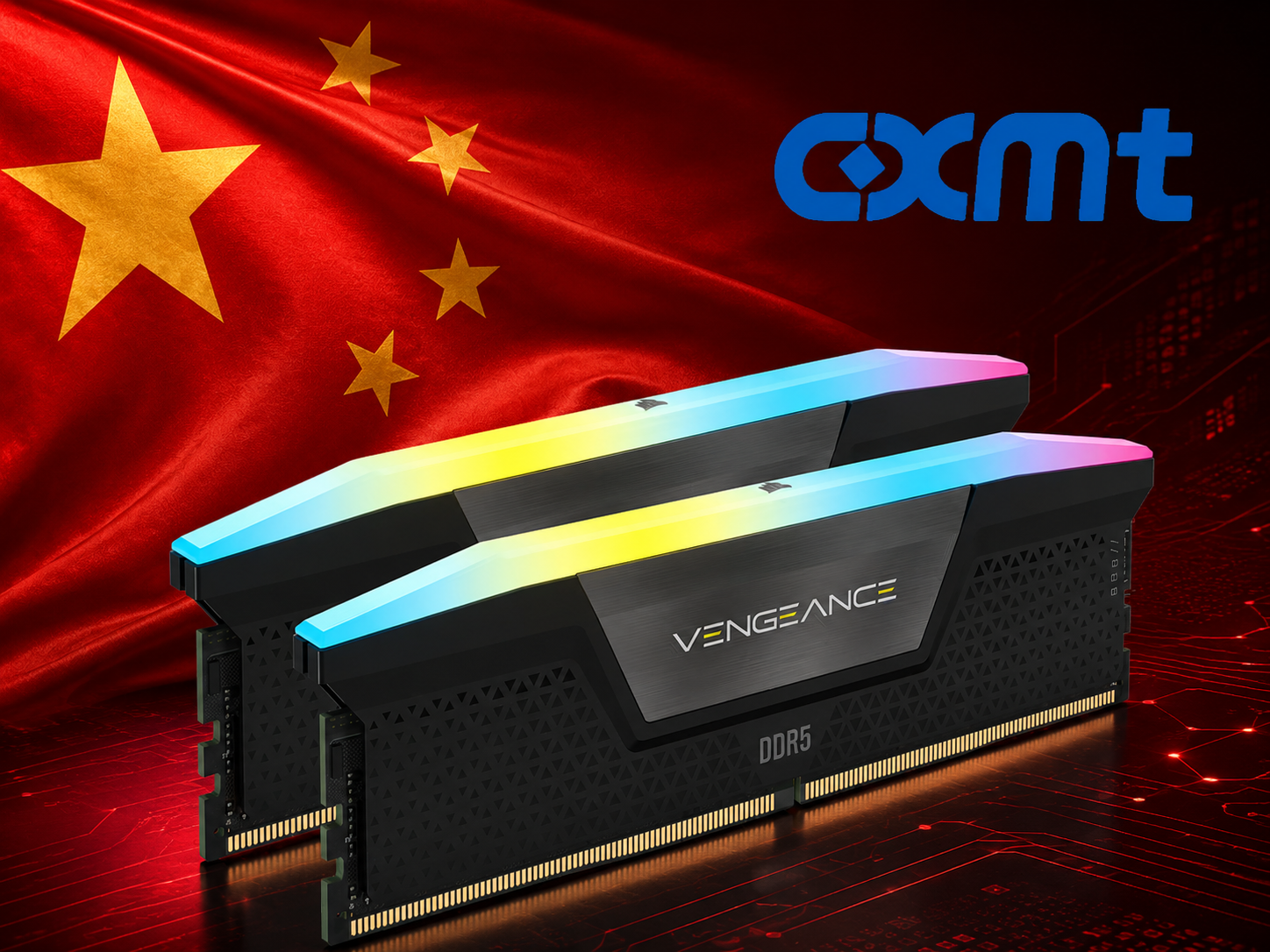
Moreover, the integration of Chinese memory chips into Western brands like Corsair signals a significant maturity in manufacturing quality. While overclocking benchmarks are still being calibrated, the initial presence in the Vengeance lineup proves that these chips meet rigorous industry standards.

The Socio-Economic Impact: What This Means for Pakistan
For the Pakistani consumer, this development acts as a catalyst for price stabilization. Traditionally, local hardware prices fluctuate wildly based on the supply whims of global manufacturers. As more Chinese memory chips enter the market, the increased competition will likely lower the entry barrier for students and professionals building high-performance computing systems.
In addition, this shift promotes a more resilient supply chain. By diversifying the sources of critical components, Pakistani IT importers can mitigate the risks associated with global shortages. This ensures that the digital infrastructure required for our national advancement remains accessible and affordable.
The Forward Path: An Expert Analysis
We categorize this development as a Momentum Shift. This is not merely a stabilization move; it is an architectural change in how global technology is sourced. While Western export restrictions remain a hurdle, the ability of Chinese firms to innovate within those constraints demonstrates a formidable technical discipline.
Moving forward, the industry must monitor the long-term reliability and performance benchmarks of these modules. If CXMT continues to scale its G4 node efficiency, we expect a structural transformation where “Made in China” memory becomes a standard, rather than an alternative, in the global STEM ecosystem.








