
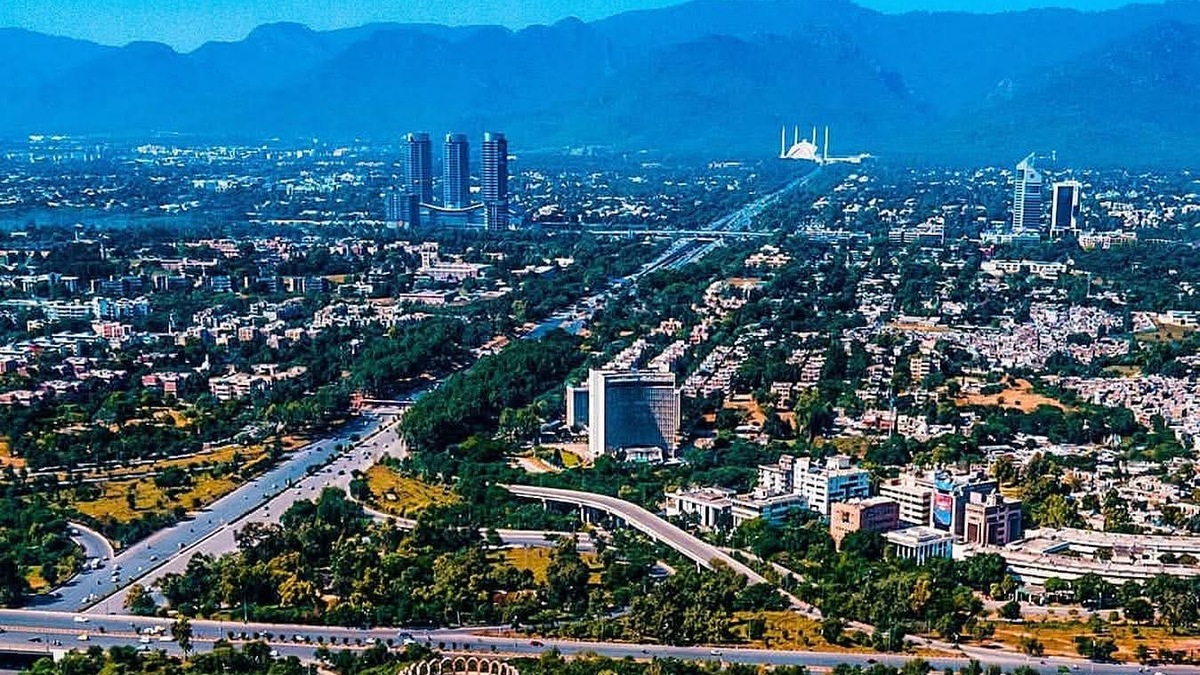
The Capital Development Authority (CDA) has launched a strategic operation to reclaim its residential assets within the G-6 sector of Islamabad. Consequently, the authority issued a final seven-day ultimatum to unauthorized residents currently occupying the CDA G-6 flats. This calibrated move aligns with recent directives from the Islamabad High Court and the Supreme Court of Pakistan, establishing a clear baseline for legal property possession.
Strategic Restoration of State Assets in Islamabad
The CDA originally constructed these 200 residential units in 2003 to facilitate federal redevelopment for government employees. However, the 2005 earthquake and the 2007 Lal Masjid operation necessitated temporary housing for displaced families and security personnel. Over time, these temporary arrangements evolved into unauthorized long-term stays. Current data indicates that police officials, federal staff, and various private individuals now occupy the CDA G-6 flats without valid legal titles.
The Legal Mandate for Evacuation
Following a comprehensive joint survey by the CDA and the Estate Office, officials identified a systemic failure in housing allocation. The authority warns that it will execute forced evictions without further notice if occupants do not vacate within the one-week window. CDA spokesperson Shahid Kiani emphasized that the department will enforce all applicable regulations to ensure the CDA G-6 flats return to their intended purpose. Furthermore, this precision enforcement aims to resolve the housing backlog for entitled government workers.

The Situation Room Analysis
The Translation (Clear Context)
This action represents a shift from crisis-mode management to systemic legal compliance. While the state previously utilized these assets for emergency relief (earthquake victims and security surges), the lack of a transition strategy led to administrative stagnation. The CDA is now recalibrating the city’s housing infrastructure to ensure that state-owned resources serve their primary functional purpose rather than remaining in a state of perpetual unauthorized use.
The Socio-Economic Impact
For the average Pakistani citizen, particularly federal employees waiting for designated housing, this enforcement creates a catalyst for transparency. Restoring these 200 units reduces the housing deficit for entitled professionals who often face high rental costs in the private market. Conversely, the sudden evacuation highlights the urgent need for a robust national social housing safety net for displaced populations who have occupied these flats for over a decade.
The Forward Path (Opinion)
This development constitutes a Momentum Shift for Islamabad’s urban governance. By enforcing judicial orders, the CDA is signaling a departure from the culture of “qabza” or unauthorized occupation. While the immediate displacement is challenging, the structural integrity of the capital’s housing system depends on the consistent application of the rule of law. This move serves as a necessary baseline for future urban efficiency.








