Architecting the Future of Sodium-Ion Battery Storage
Chinese energy titan CATL has engineered a calibrated shift in global power dynamics by unveiling the TENER sodium-ion battery storage system. This field-validated solution represents the world’s first commercially ready sodium-ion infrastructure designed for a 30-year operational baseline. Consequently, the technology moves beyond laboratory benchmarks into large-scale deployment, offering a precision-weighted alternative to traditional lithium-based architectures. The system recently debuted in Munich, signaling a strategic expansion into international energy markets.
Strategic Durability and Modular Precision
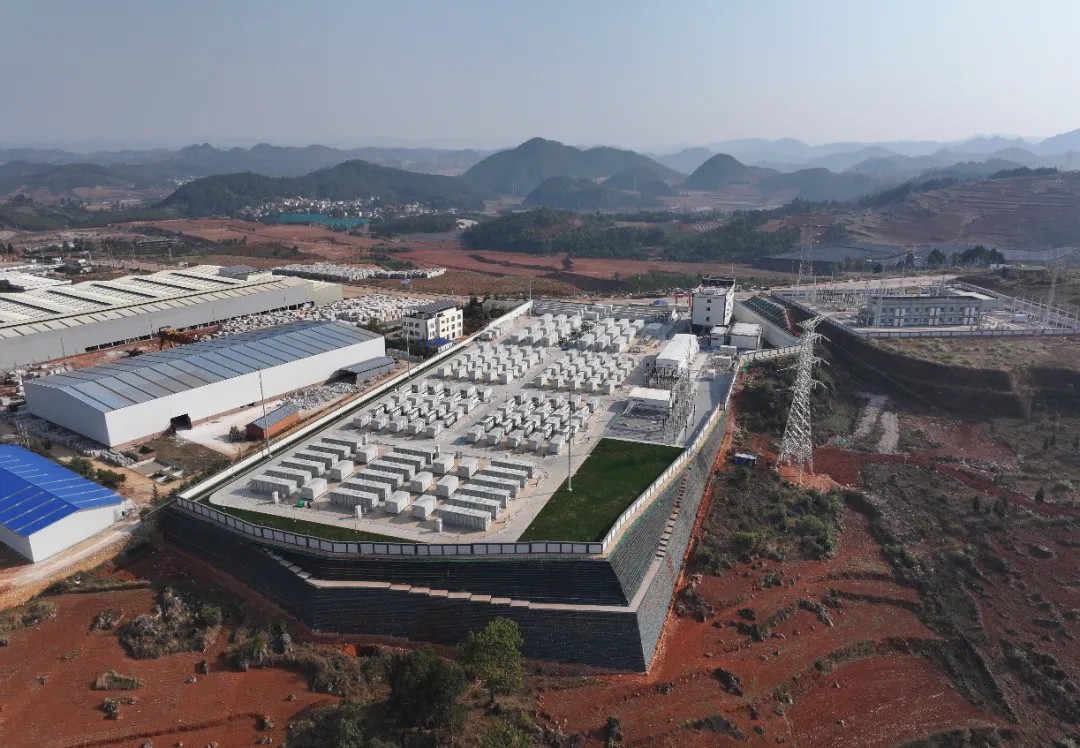
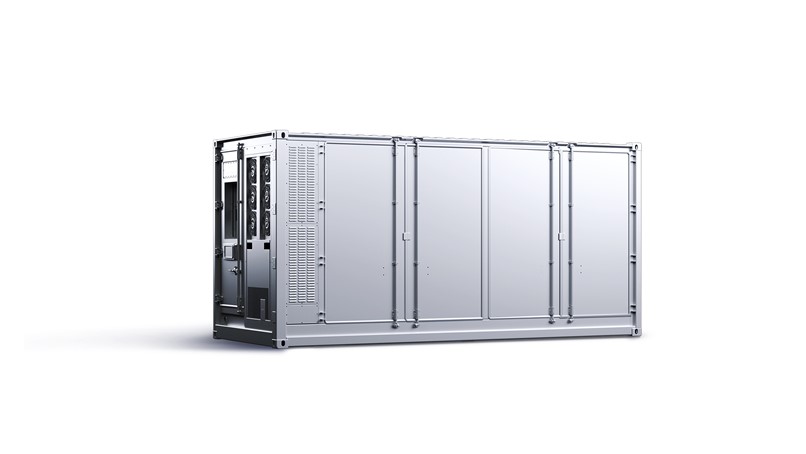
The TENER system delivers more than 30 MWh of rated energy capacity through a sophisticated modular design. Each 42-tonne module operates independently, allowing developers to construct 1 GWh storage sites using only 34 units. Furthermore, this modularity enables operators to isolate faulty components without halting the entire facility. This structural efficiency reduces maintenance costs and ensures a service life of up to 30 years. Specifically, the system can complete 15,000 charging cycles while maintaining 70% of its health.
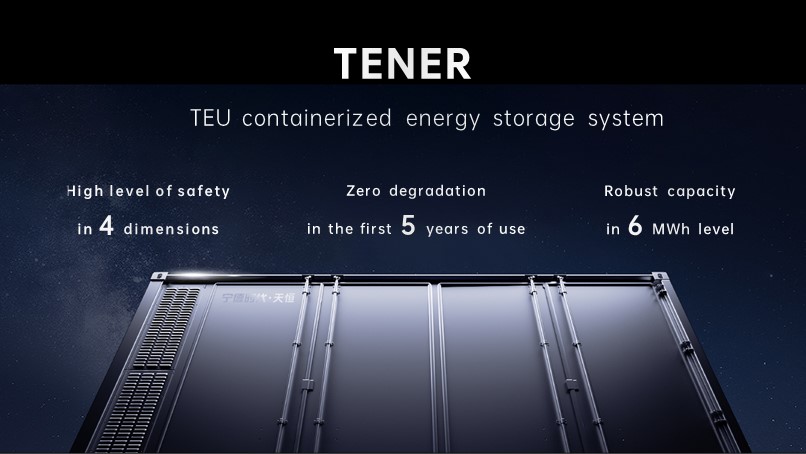
Operational resilience remains a core feature of the TENER platform. The sodium-ion battery storage modules thrive in extreme climates, operating effectively from minus 20 to 45 degrees Celsius. Additionally, the system retains 92% capacity in freezing conditions, eliminating the need for energy-intensive insulation. This thermal stability ensures that energy providers can deploy high-density storage in diverse geographical regions without compromising efficiency.
Enhancing System Safety and Grid Efficiency
Safety serves as the primary catalyst for CATL’s transition to sodium-ion chemistry. The internal cells reduce expansion force by 40% and produce 35% less gas during thermal runaway events. Moreover, peak surface temperatures during failures are 60% lower than lithium-ion counterparts. These calibrated safety margins prevent catastrophic fires and explosions during extreme operating conditions. Simultaneously, the system utilizes a sloping voltage curve to calculate the state of charge with unprecedented accuracy.
To optimize output, CATL integrated a bidirectional voltage-regulation system into the TENER framework. This technology automatically boosts voltage during low-range operations, improving round-trip efficiency by nearly 2%. For a 1 GWh facility, this small percentage translates into millions of additional kilowatt-hours annually. Likewise, a top-discharge airflow design reduces heat generation by 30%, further lowering the energy required for auxiliary cooling operations.
The Translation: Breaking the Lithium Monopoly
While lithium-ion has dominated the previous decade, its supply chain remains concentrated and volatile. Sodium-ion battery storage translates technical complexity into resource security because sodium is 1,000 times more abundant than lithium. This development means that global energy grids no longer need to rely on a single, expensive mineral. By leveraging a material found in common salt, CATL is creating a more stable and cost-effective foundation for the world’s renewable energy transition.
The Socio-Economic Impact: Powering the Pakistani Household
For the average Pakistani citizen, this innovation could eventually stabilize the national grid and lower electricity tariffs. As the country integrates more solar and wind power, high-capacity sodium-ion battery storage acts as a buffer against load-shedding. The reduced maintenance costs and 30-year lifespan of these systems mean that local utility providers can invest in long-term infrastructure without passing massive costs to consumers. Urban industrial hubs and rural households alike stand to benefit from a more resilient, low-noise power environment.
The Forward Path: A Momentum Shift
This development represents a definitive Momentum Shift in the global energy landscape. CATL has already secured a 60 GWh commercial contract, proving that sodium-ion technology is ready for prime time. By investing €1.2 billion into research, they have successfully bridged the gap between prototype and industrial-scale utility. As lithium and sodium technologies begin to operate in tandem, the path toward a decarbonized, system-efficient future becomes increasingly clear and achievable.