
The integrity of international higher education systems requires calibrated oversight to prevent structural decay. Recently, UK authorities dismantled a sophisticated academic fraud scheme involving over 124 students globally. Shahid Adnan, a Liverpool-based individual, exploited university login credentials to manipulate academic outcomes for profit. This systematic breach highlights a critical vulnerability in digital assessment frameworks that requires immediate precision-based solutions.
Analyzing the Large-Scale Academic Fraud Scheme
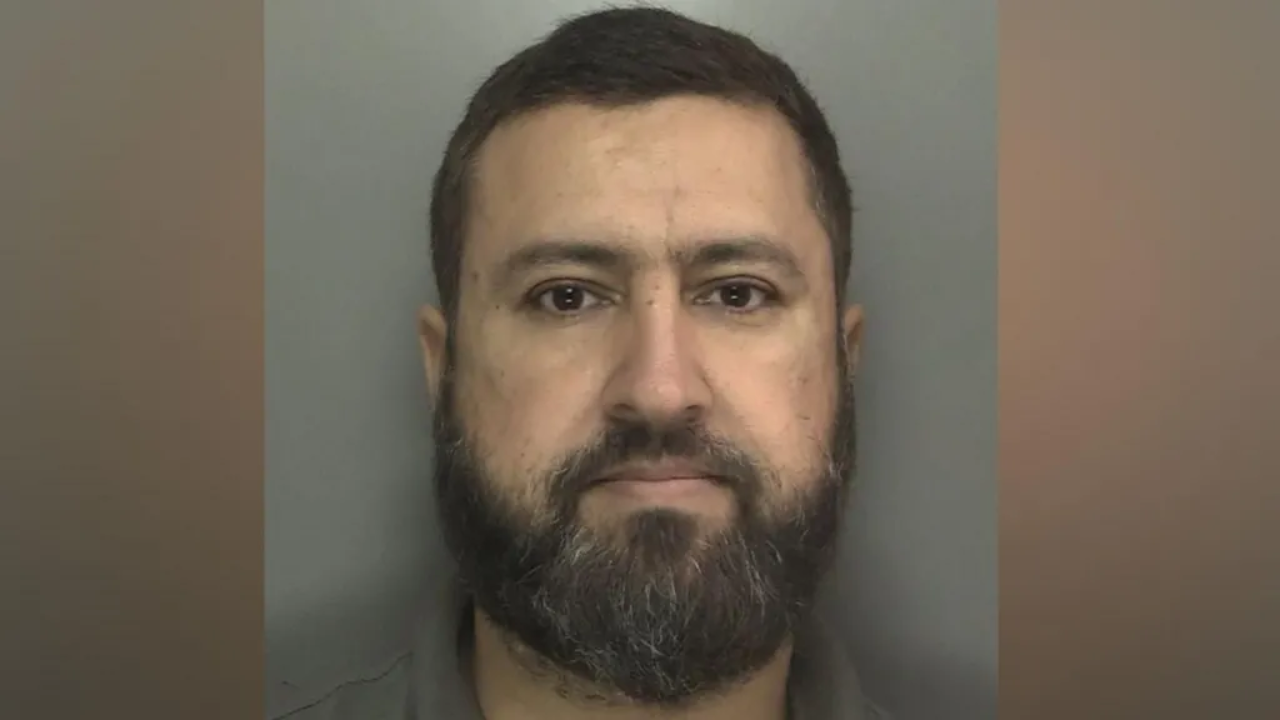
Shahid Adnan, 43, operated a highly organized enterprise under the name Study Sharp Ltd. Investigators discovered that he completed coursework and sat for examinations on behalf of university students, including those at Liverpool John Moores University. Consequently, Adnan accumulated approximately £300,000 through these illicit activities. The operation was eventually exposed when a student submitted a USB drive containing suspicious files to university faculty.
Upon further inspection, police found comprehensive spreadsheets detailing student login credentials and deadlines. This data allowed Adnan to bypass traditional security measures and impersonate students within university systems. Furthermore, his lifestyle as a delivery driver served as a thin facade for his substantial wealth. Financial investigators uncovered more than £2.4 million across multiple bank accounts, including assets such as luxury Audi and BMW vehicles.
The Translation: Decoding Systemic Dishonesty
In “Next Gen” terms, this academic fraud scheme is not merely a collection of individual cheating incidents. It represents a strategic exploit of legacy digital authentication protocols. Adnan utilized a business-like structure to provide “fraud-as-a-service,” turning academic merit into a commodity. This logic confirms that current university verification systems are insufficient against professionalized deception. Institutions must now recalibrate their security baselines to ensure that the user behind the screen is the legitimate degree candidate.
The Socio-Economic Impact: Devaluing Professional Standards
For the Pakistani diaspora and domestic students, such scandals create a profound “trust deficit.” When unqualified individuals enter specialized professional careers through fraudulent credentials, they degrade the baseline value of legitimate degrees. This creates an unfair marketplace where capital, rather than competence, determines academic success. Consequently, households investing heavily in international education may face increased scrutiny and reputational hurdles during global recruitment processes.
The Forward Path: A Stabilization Move for Higher Ed
This development represents a Stabilization Move. While the three-year prison sentence for Adnan serves as a necessary deterrent, it primarily functions as a maintenance move to restore order. To achieve a true momentum shift, the global education sector must transition toward AI-calibrated identity verification and biometric assessment tools. We must eliminate proxy participation entirely to ensure that the system remains a catalyst for genuine meritocracy and national advancement.