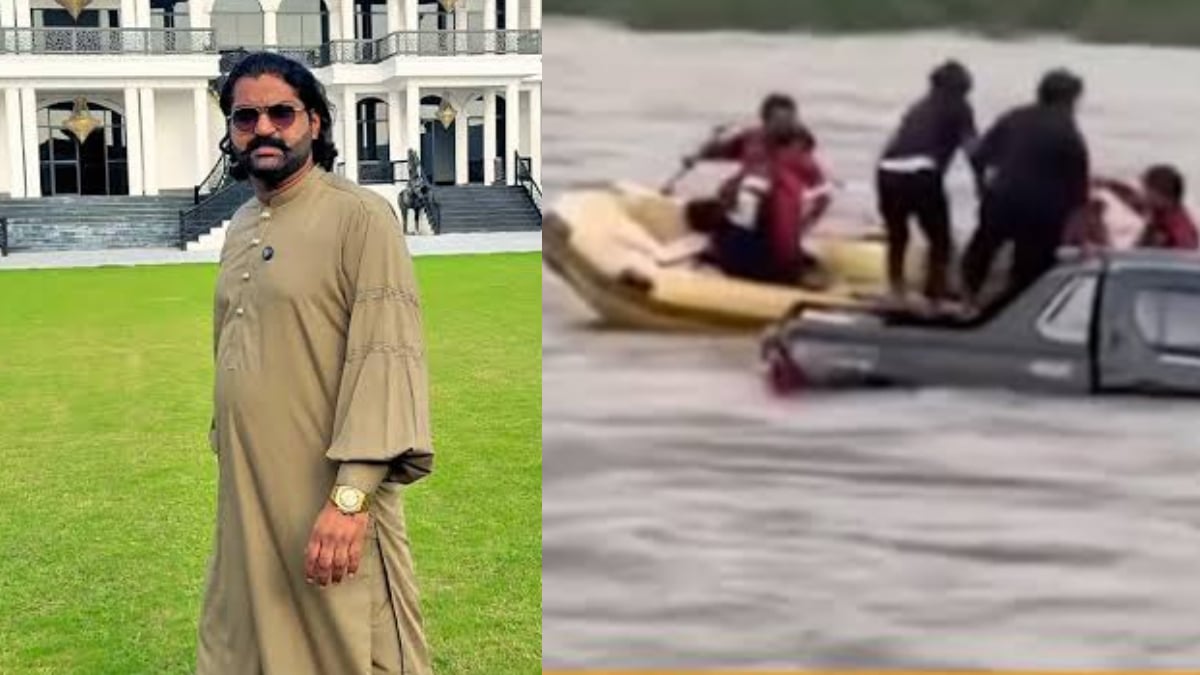
The recent Kunhar River stunt involving TikTok influencer Sultan Virk highlights a critical failure in civic responsibility and public safety protocols within our tourism sectors. While filming content, a group of individuals bypassed legal barriers in Mansehra, leading to a high-risk rescue operation that strained local emergency resources. This incident serves as a baseline for discussing the precision of legal enforcement and the necessity of structural accountability in the digital age.
Strategic Breakdown of the Kunhar River Stunt
Authorities in Mansehra had previously implemented Section 144 to mitigate drowning risks during hazardous environmental conditions. Consequently, the decision by Sultan Virk and his associates to drive a Toyota Vigo into the fast-flowing waters was a direct violation of these calibrated safety measures. Furthermore, the rescue teams had to act with extreme precision to extract the four men from Sheikhupura before the situation turned fatal. Specifically, the police later took Sultan Virk, Ali Usman, Mohsin Khan, and Asif Ali into custody to uphold the integrity of regional safety laws.
The vehicle recovery operation, led by DSP Sadaqat Khan, successfully retrieved the submerged Vigo on Thursday. This action reinforces the message that the state will prioritize the preservation of life and the enforcement of the law over reckless social media engagement.
The Translation: Decoding Section 144
In this context, Section 144 acts as a temporary legal catalyst to prevent public disorder or danger to human life. While influencers may perceive these riverbanks as “content backdrops,” the law recognizes them as high-velocity zones during the monsoon season. The Kunhar River stunt represents a failure to translate technical safety warnings into personal conduct. By enforcing these restrictions, the administration seeks to maintain a safe environment for all visitors, ensuring that the “Sultan of Virkgarh” persona does not override the baseline of collective security.
The Socio-Economic Impact: Tourism and Infrastructure
How does this change the daily life of a Pakistani citizen? Specifically, reckless maneuvers like these jeopardize the reputation of Naran as a safe family destination. When individuals ignore safety protocols, the state often responds with more restrictive access, which negatively impacts local businesses, students on field trips, and professional tourism operators. Furthermore, the reliance on elite backgrounds to evade legal consequences creates a precision deficit in our judicial perception, undermining the public’s trust in systemic equality.
The Forward Path: A Stabilization Move
This development represents a Stabilization Move for the region. The immediate arrest and subsequent court presentation of the influencers demonstrate a commitment to maintaining legal order. To move forward, Pakistan must transition from reactive policing to a more proactive digital safety framework. We must calibrate our social media culture to value human life and institutional respect over viral metrics. Only through such structural shifts can we ensure the sustainable progress of our northern tourism frontier.