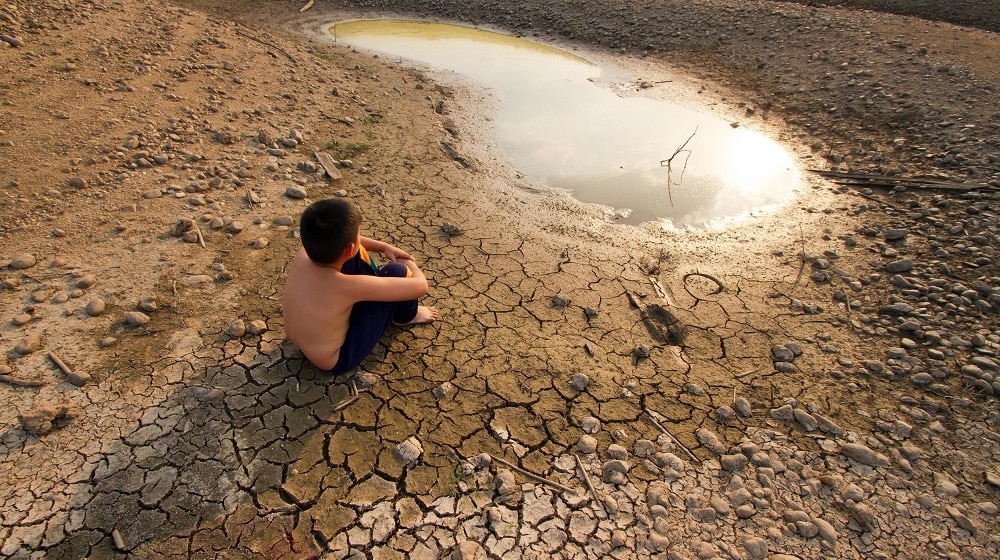
The global health infrastructure faces a calibrated threat as rising temperatures catalyze a surge in climate antibiotic resistance. Recent data reveals that the climate crisis transcends weather patterns, directly compromising the efficacy of essential medicines. This structural shift in bacterial behavior creates a baseline risk for millions, transforming a localized medical challenge into a systemic national security concern.
Decoding the Mechanisms of Resistance
Consequently, researchers at The Lancet Planetary Health identified a critical link between global warming and Salmonella resistance. While excessive drug use remains a primary driver, thermal stress alters bacterial gene expression. This precision analysis confirms that climate antibiotic resistance has escalated by 10% over the last century, with projections showing continued growth through 2040.

The study examined 480,000 samples across 139 countries to establish this correlation. Therefore, the findings suggest that heat stress accelerates horizontal gene transfer among pathogens. Consequently, these stronger bacterial strains now survive treatments that were previously lethal, weakening our pharmaceutical frontlines on a global scale.

The Translation (Clear Context)
In simpler terms, bacteria are living organisms that adapt to their environment. As the planet warms, these pathogens experience an “evolutionary workout.” The heat forces them to develop tougher defenses to survive. When these heat-hardened bacteria infect humans, our standard antibiotics act like outdated tools against modern armor. This phenomenon of climate antibiotic resistance means that infections we once cured easily could soon become life-threatening.
The Socio-Economic Impact
For the average Pakistani citizen, this development increases the cost and duration of healthcare. Households in both urban and rural areas will likely face longer recovery times and higher medical bills as common infections become harder to treat. Furthermore, the agricultural sector—a backbone of our economy—faces risks as livestock infections become increasingly resistant, threatening food security and export standards. This creates a strategic vulnerability in our national supply chain.
The Forward Path (Opinion)
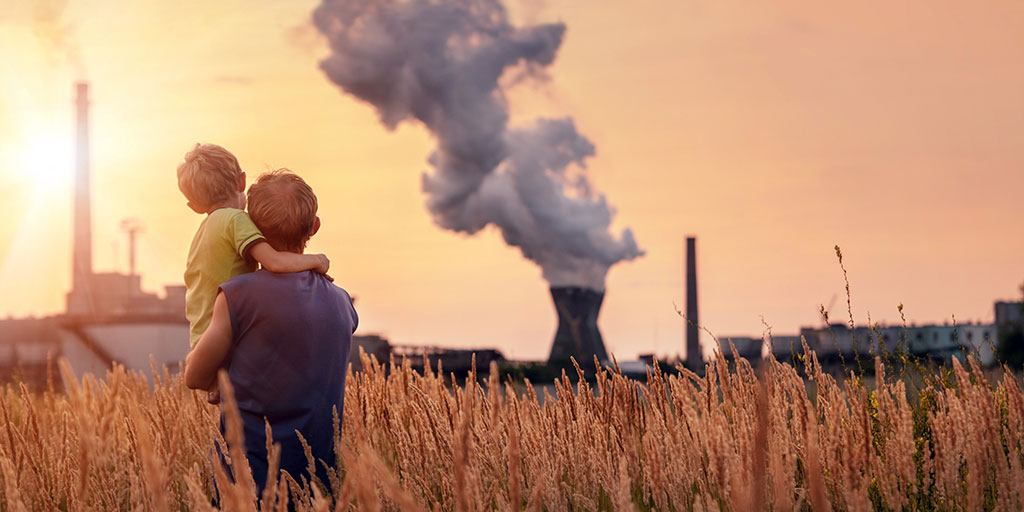
This development represents a Momentum Shift in how we must approach public health policy. We can no longer treat environmental policy and healthcare as separate silos. To maintain national stability, Pakistan must integrate climate resilience into its medical protocols. Strategic investment in surveillance and a calibrated reduction in antibiotic misuse are no longer optional; they are essential for our survival in a warming world.