
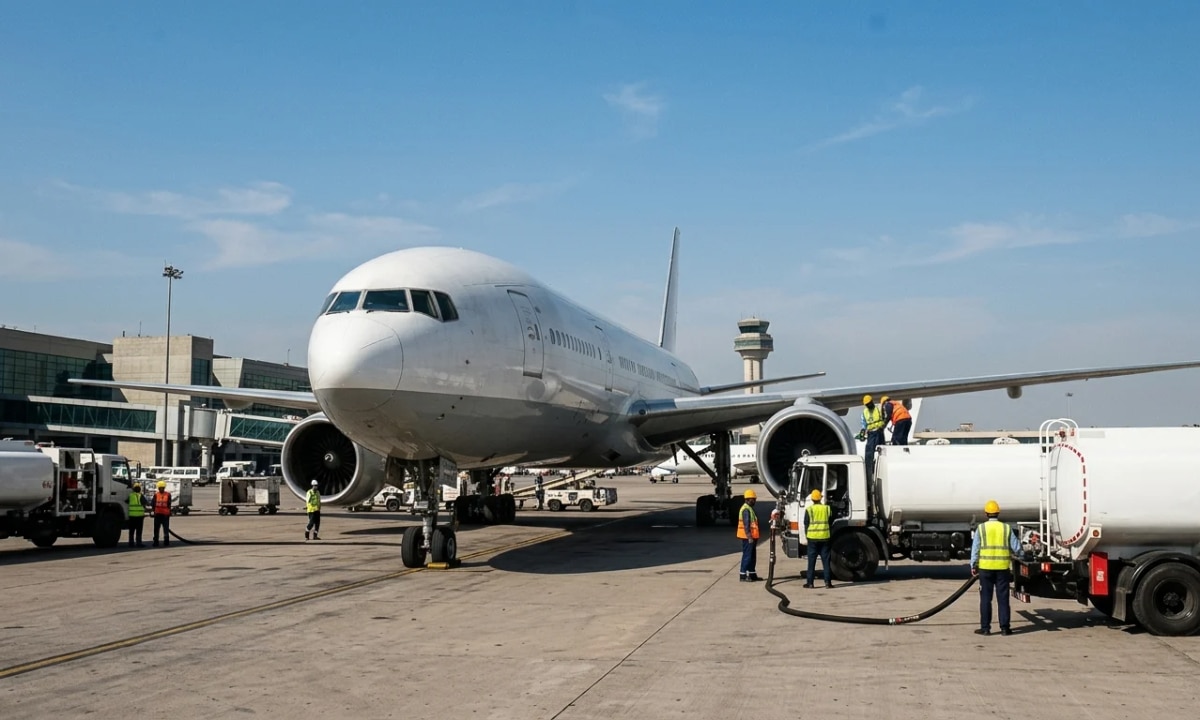
Pakistan’s aviation sector recently calibrated airline ticket prices downward, responding to a significant reduction in international jet fuel costs. This strategic adjustment serves as a critical baseline for stabilizing domestic travel logistics across the country. Consequently, travelers on major routes are seeing immediate relief in base fares.
The Translation: Decoding the Pricing Logic
While the base fare for air travel has decreased, the structural pricing of a ticket remains complex. The reduction primarily targets the operational cost of fuel. However, mandatory surcharges and government taxes still constitute a substantial portion of the final invoice. Consequently, understanding this distinction is vital for travelers navigating the current aviation landscape.
Current Fare Benchmarks
- Islamabad to Quetta: Rs16,770 – Rs48,890
- Lahore to Quetta: Rs12,020 – Rs44,140
- Karachi to Quetta: Rs13,603 – Rs44,000
Analyzing the Impact on Domestic Airline Ticket Prices
Despite the drop in base rates, a fuel surcharge of Rs7,840 remains a fixed variable in the pricing equation. Therefore, most standard one-way domestic tickets still exceed the Rs26,000 threshold. Furthermore, airlines maintain dynamic pricing models. This means that high-demand windows or last-minute bookings can still drive fares up to Rs58,875 on high-density routes.
The Socio-Economic Impact
Lowered fares catalyze regional connectivity, allowing professionals and students to traverse the national geography with greater precision. Enhanced mobility directly influences business efficiency and inter-city commerce. For the average Pakistani household, these reduced rates offer a marginal but necessary reprieve in an era of high inflation.
The Forward Path: Architect’s Opinion
This development represents a Stabilization Move. While the immediate price reduction is a positive catalyst for the industry, it exposes the sector’s vulnerability to global market fluctuations. To ensure long-term progress, Pakistan must focus on structural efficiency within its domestic carriers and optimize the taxation framework to make air travel truly accessible. Precision in policy will be the ultimate driver of future growth.








