
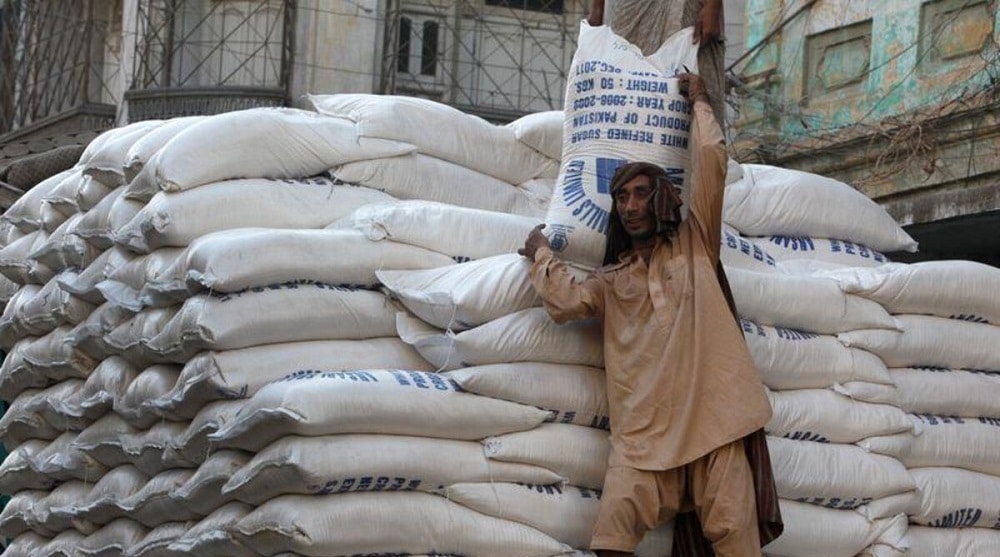
The federal government has officially calibrated its fiscal policy by restoring the standard 18% Sugar Import Tax, effectively ending a major tax concession. This strategic move aims to stabilize revenue generation following a massive 7,900% surge in sugar imports during the current fiscal year. Consequently, the previous reduced sales tax rate of 0.25% is now obsolete, with the full 18% rate taking effect from April 22, 2026.
Analyzing the Structural Shift in Sugar Import Tax
Data from the Pakistan Bureau of Statistics reveals a significant baseline shift in trade volume. Specifically, sugar imports reached over $17.46 million in the first seven months, a sharp contrast to the $211,800 recorded during the same period last year. This surge peaked in January 2026, when international purchases accelerated to $23.4 million. While the earlier relief allowed for the import of 500,000 tons to address supply shortages, the government is now prioritizing fiscal consolidation over market intervention.
The Socio-Economic Context
Furthermore, Pakistan’s broader food import bill increased by 19.26% between July and January, exceeding $5.5 billion. Major commodities like palm oil and tea continue to pressure the external account. By withdrawing the tax concession originally granted to the Trading Corporation of Pakistan, authorities are normalizing the tax regime to align with national revenue targets. This adjustment reflects a transition from temporary relief to a more sustainable, revenue-focused economic framework.
The Situation Room Analysis
The Translation
The government is essentially moving from a “subsidy phase” to a “revenue phase.” Previously, the state sacrificed tax income (reducing GST from 18% to 0.25%) to ensure enough sugar was available in the market to prevent a price spike. Now that the domestic supply has stabilized through massive imports, the state is reclaiming that 18% revenue stream. This is a standard tactical withdrawal of a temporary economic stabilizer once the immediate supply crisis has passed.
The Socio-Economic Impact
For the average Pakistani household, this policy shift likely means a direct increase in retail sugar prices. As importers pass the 18% tax cost onto consumers, daily kitchen budgets will face additional strain, following the recent “petrol bomb.” However, for the national economy, this move helps reduce the fiscal deficit. It provides the government with the precision funding necessary to manage the rising $5.5 billion food import bill and stabilize the external account.
The Forward Path
This development represents a Stabilization Move. While it creates short-term friction for consumers, it is a necessary structural adjustment to prevent a total fiscal imbalance. The government is signaling that it can no longer afford to subsidize consumption through tax breaks. To achieve long-term momentum, Pakistan must now pivot from importing these essentials to revitalizing domestic agricultural output to ensure food security without draining foreign exchange reserves.








