Strategic Challenges to Pakistan’s Wheat Production
Pakistan’s wheat production is projected to decline by 1.2 million tonnes, representing a 3.8% contraction to 28.1 million tonnes for the 2025-26 Rabi season. Consequently, extreme thermal surges and late-season storms have disrupted previous output estimates, forcing the government to evaluate strategic imports to maintain national food security. This recalibrated baseline falls below both the earlier 29.31 million tonne projection and last year’s 28.42 million tonne output.
The Translation: Analyzing Thermal Stress and Lodging
Climate volatility acted as the primary catalyst for this yield reduction. Specifically, temperatures surged above 35 degrees Celsius in early March, which triggered early crop maturity and resulted in grain shriveling. Furthermore, heavy rains and hailstorms in late March caused widespread “lodging,” a condition where strong winds flatten mature plants. This structural damage affected nearly 0.3 million acres, significantly weakening the final grain development stage across Punjab and Sindh.

Socio-Economic Impact: The Cost of Scarcity
This production shortfall directly impacts the daily lives of Pakistani citizens through potential market volatility and food inflation. While carryover stocks of 2 million tonnes provide a temporary buffer, the 1.2 million tonne gap between total availability (30 million tonnes) and national demand necessitates a precision-based import strategy. For the average household, this development could lead to higher flour prices unless the government successfully builds strategic reserves to stabilize domestic supply chains. Punjab remains the anchor of the harvest, contributing 21.5 million tonnes, while Sindh’s output reached 4.10 million tonnes.
The Forward Path: A Strategic Stabilization Move
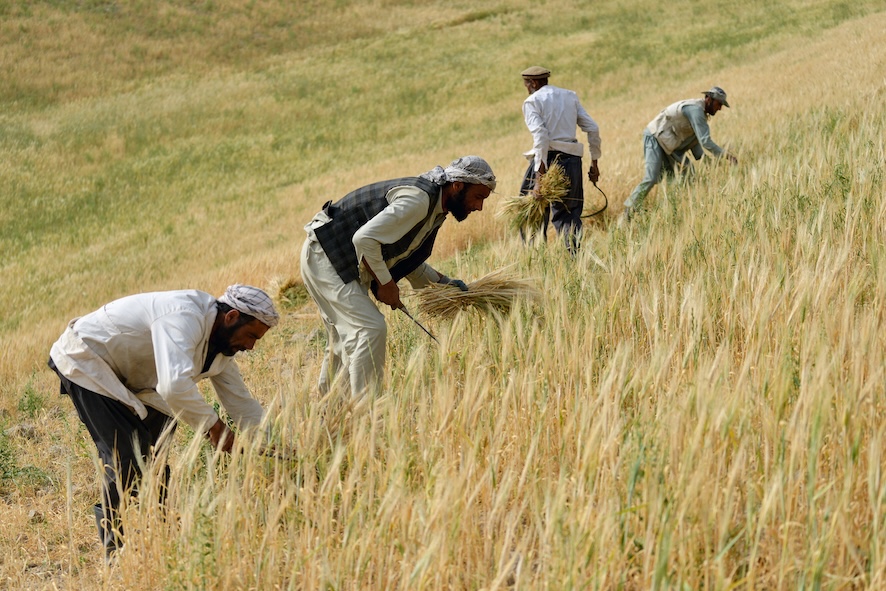
We categorize this development as a Stabilization Move rather than a total momentum shift. Although the production dip is concerning, harvesting progress is currently faster than last year, reaching 80% completion. However, the decline in irrigated yield to 34.02 maunds per acre highlights a critical need for climate-resilient seed technology. To ensure future progress, Pakistan must transition from reactive importing to proactive, STEM-driven agricultural planning that accounts for early-season thermal spikes.