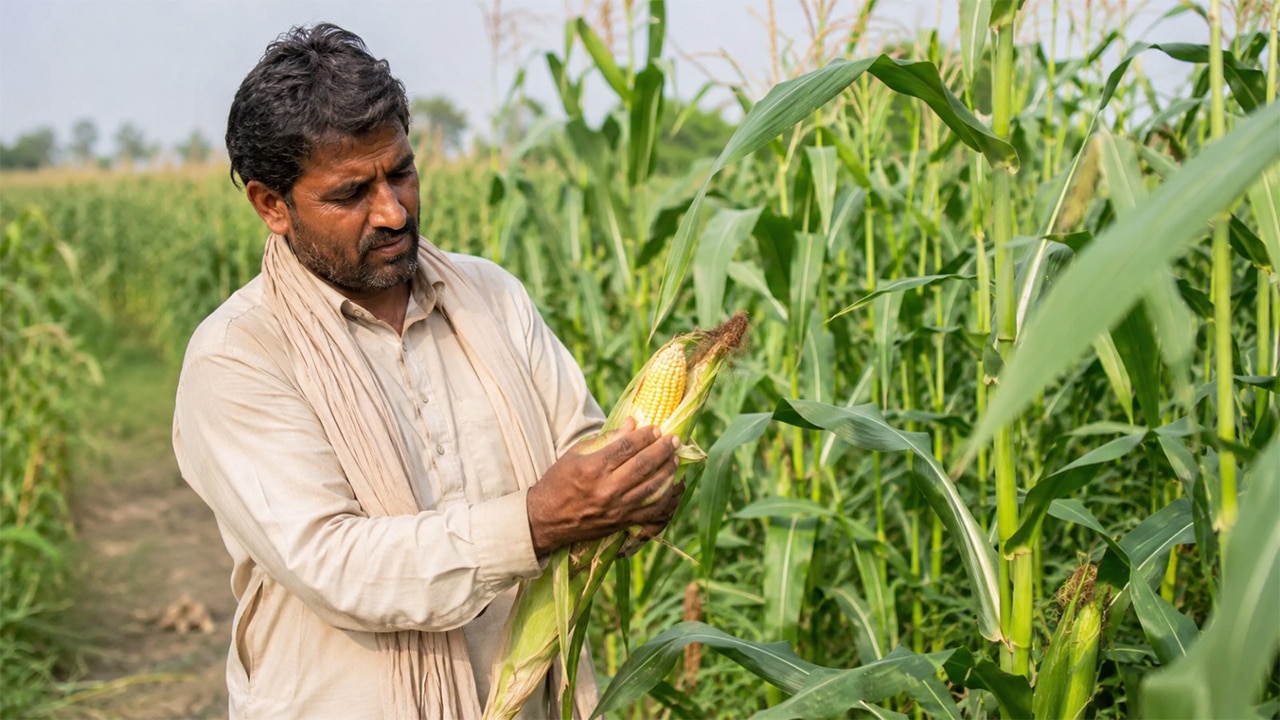
The approval of the Agricultural Biotechnology Policy 2025 marks a structural recalibration of Pakistan’s agrarian economy. This initiative serves as a catalyst for precision-based farming, shifting the national baseline toward an innovation-led framework. Consequently, this policy ensures that Pakistan remains competitive by equipping farmers with calibrated biotechnological tools to mitigate climate risks and rising input costs.
Strategic Implementation of the Agricultural Biotechnology Policy
Pakistan must modernize its agricultural architecture to secure long-term food stability. The current data indicates that GM maize hybrids demonstrate a significant yield advantage, ranging from 10% to 46% compared to conventional varieties. Furthermore, the integration of these technologies could scale national maize exports from the current $300 million to a projected $1 billion annually.

- Structural Yield Protection: Biotechnology reduces avoidable losses caused by pest pressure and climate variability.
- Market Integration: Locally produced GM maize grain will seamlessly enter the existing poultry feed market, which already utilizes imported GM soy.
- Global Alignment: Pakistan joins leading agricultural economies like China, Vietnam, and the USA in adopting science-based cultivation frameworks.
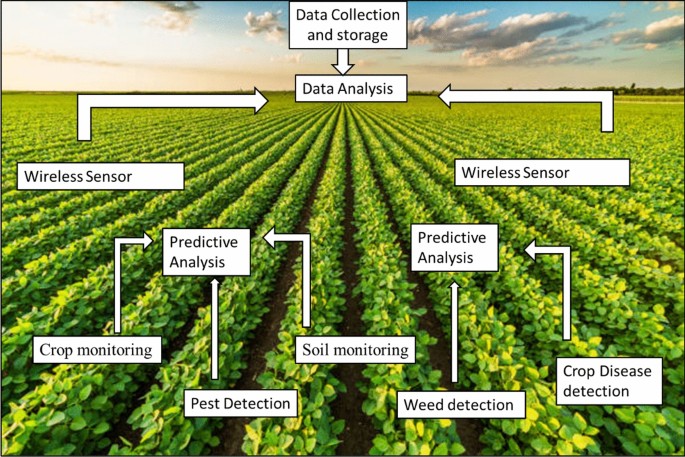
The Situation Room Analysis
The Translation (Clear Context)
While the term “biotechnology” may sound complex, it simply refers to the precision engineering of crops to be more resilient. The Agricultural Biotechnology Policy isn’t a sudden shift; it is the culmination of a 15-year regulatory journey. Since 2009, Pakistan has conducted rigorous biosafety trials to ensure these technologies meet stringent environmental and safety standards before reaching the field.
The Socio-Economic Impact
For the average Pakistani citizen, this policy translates to systemic food security. Higher yields mean more stable prices for poultry and dairy, as maize constitutes 70% of poultry feed. By increasing the efficiency of our land, we reduce the need for expensive imports and create a surplus for export, directly strengthening the national currency and household purchasing power.
The “Forward Path” (Opinion)
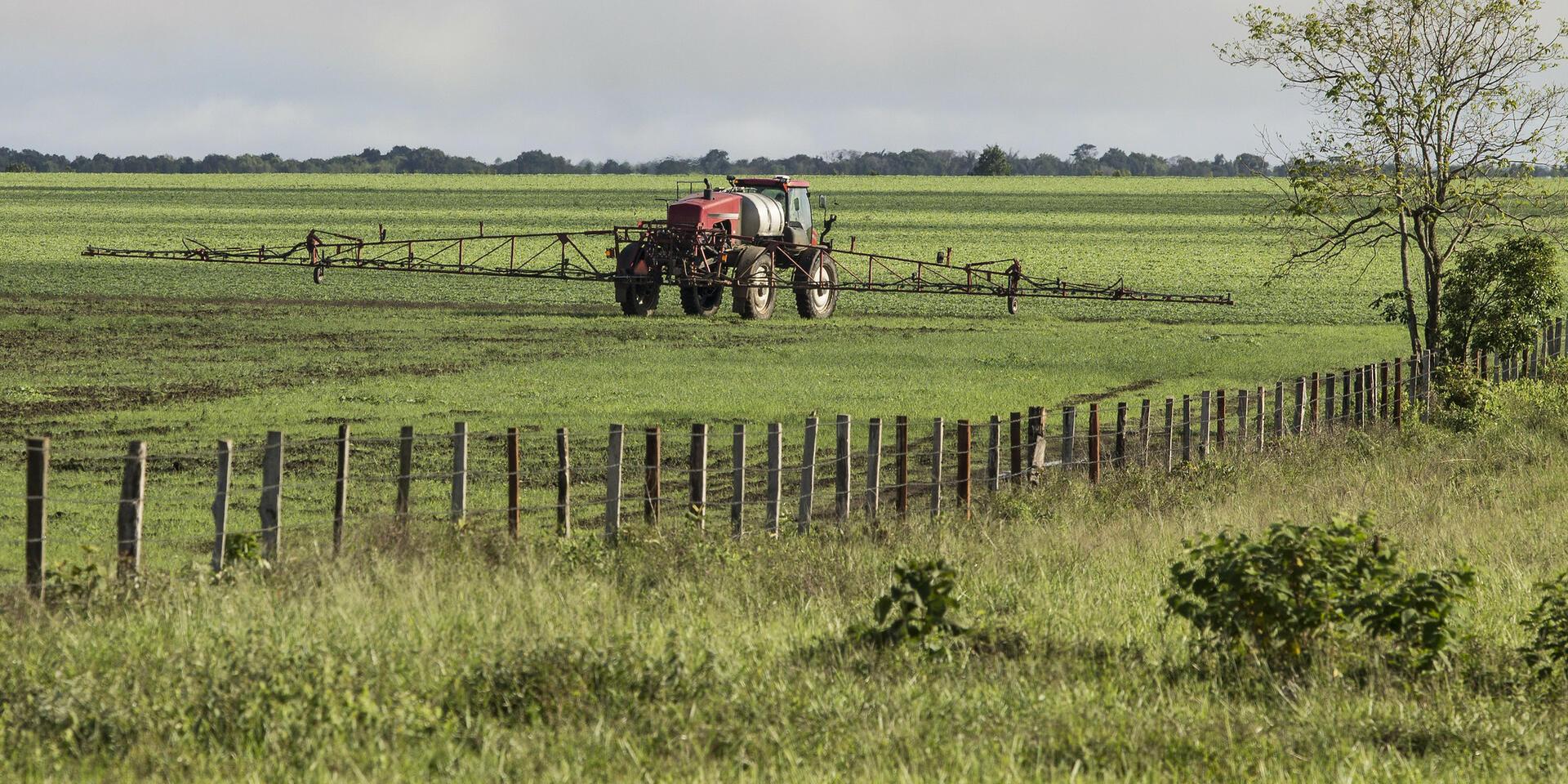
This development represents a definitive Momentum Shift. For years, Pakistan’s agricultural output remained stagnant due to outdated methods. However, the true test lies in the execution. If the government ensures a predictable, science-based implementation without bureaucratic delays, this policy will serve as the architectural foundation for a prosperous, export-oriented Pakistan.