The strategic recalibration of player roles is a baseline for optimized team performance, directly impacting Pakistan’s T20 World Cup 2026 campaign. Pakistan’s head coach, Mike Hesson, has definitively addressed the tactical shift in Babar Azam’s batting position, citing specific team requirements and an underperforming powerplay strike rate. This crucial adjustment, moving Azam from his traditional opening slot, aims to enhance overall team efficiency and adapt to dynamic match conditions, as evidenced by recent decisions in the Super Eight qualifier against Namibia.
The Translation: Deconstructing Babar Azam’s Batting Role
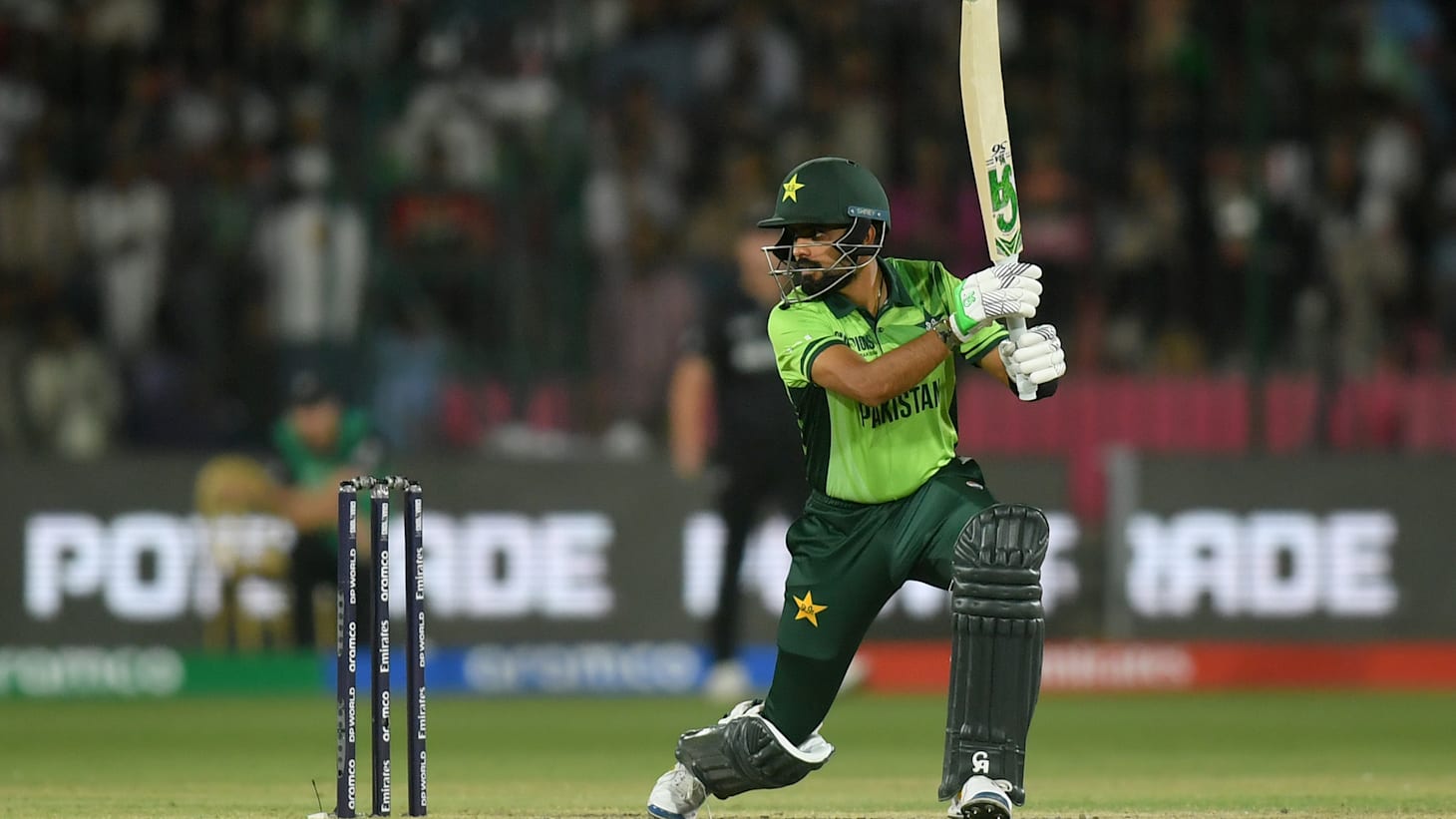
Coach Hesson’s recent remarks clarify the evolving role of Babar Azam within Pakistan’s T20 World Cup strategy. Historically, Azam has anchored the top order; however, data indicates his powerplay strike rate has consistently fallen below 100. Consequently, this metric signals an inefficiency in capitalizing on the crucial initial overs, where scoring aggressively is paramount. The decision to adjust his batting position is thus a calculated move to maximize powerplay output and allow other batsmen to accelerate.
Furthermore, Hesson elaborated on the in-game tactical flexibility demonstrated during the match against Namibia. When a left-arm spinner posed a significant threat, the team strategically promoted Khawaja Nafay and Shadab Khan ahead of Azam. This maneuver prevented a potentially disadvantageous matchup, allowing a right-hander like Nafay to engage the spinner once conditions were more favorable. Such precision in decision-making underscores a proactive coaching philosophy.

The Socio-Economic Impact: Cricket’s Ripple Effect on Pakistan
Decisions affecting Pakistan’s national cricket team resonate profoundly across the nation, far beyond the boundary ropes. A strategic adjustment like Babar Azam’s batting position, when explained transparently, can bolster public trust and confidence in the team’s leadership. For instance, young students and aspiring cricketers observe these tactical shifts, understanding the rigorous demands of professional sports and the importance of adapting to performance data. This instills a disciplined approach to skill development.
Moreover, the performance of the national team directly influences commercial interests, from sports merchandise sales in urban centers to local viewership in rural areas. Success on the international stage fuels national pride and can catalyze economic activity in related sectors. A well-performing, strategically sound team becomes a powerful symbol of Pakistani potential and systematic advancement, affecting national morale and collective aspirations.
The Forward Path: A Momentum Shift for Pakistan Cricket
This development undeniably represents a Momentum Shift for Pakistan cricket. The frank assessment by Coach Hesson regarding Babar Azam’s powerplay strike rate is a commendable embrace of data-driven decision-making. It signals a departure from rigid traditional roles towards a more fluid, performance-optimized structure. This adaptability is critical for sustained success in the high-stakes environment of international T20 cricket.
Consequently, by prioritizing team requirements over individual preferences, the coaching staff is establishing a structural precedent. This approach ensures that every player’s role is calibrated for maximum impact, fostering a culture of collective responsibility and strategic versatility. Such decisive action is a positive indicator for Pakistan’s long-term competitive trajectory.