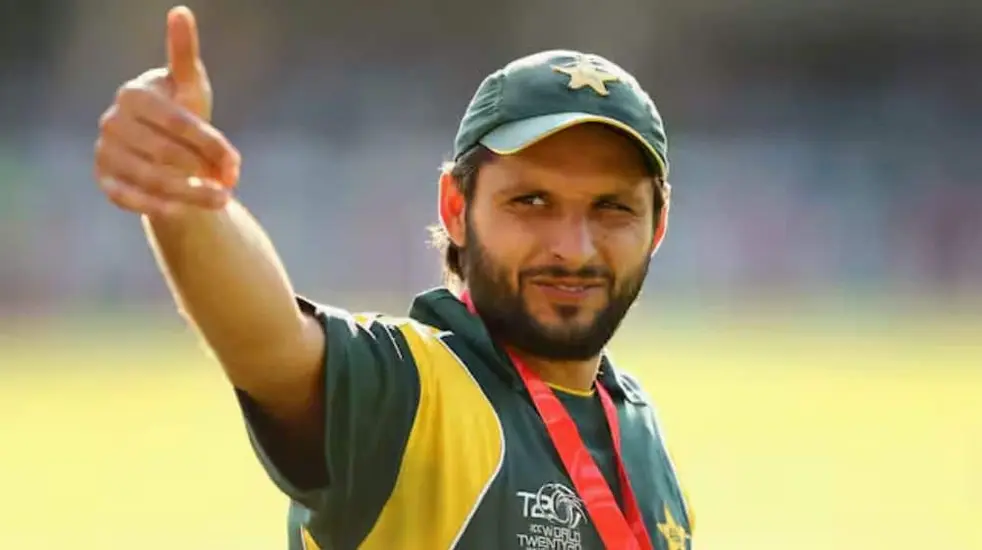
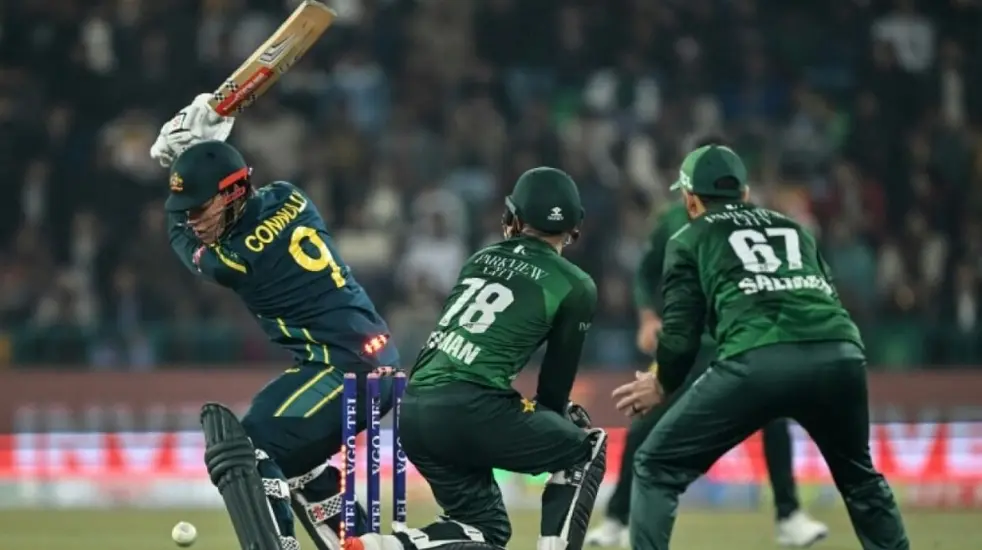
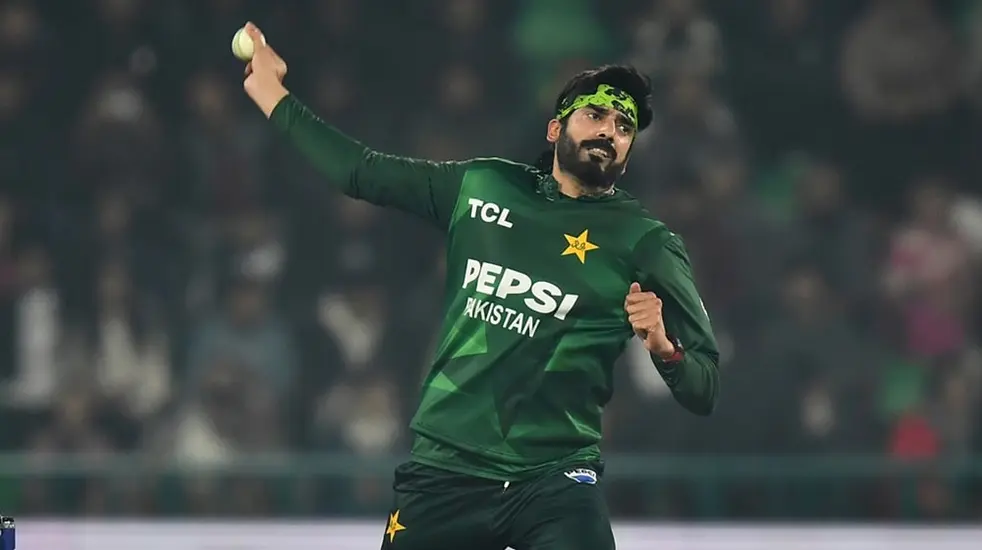
Strategic communication defines leadership. Former Pakistan captain Shahid Afridi recently offered calibrated counsel to all-rounder Shadab Khan, emphasizing the critical importance of consistent Shadab Khan performance over verbal responses to criticism. This advice follows Khan’s recent remarks concerning former cricketers, asserting the current team’s distinct achievements. Afridi’s perspective highlights the structural need for players to allow their on-field capabilities to serve as their primary counter-argument against any critique, especially within the high-pressure environment of international cricket.
Understanding the Calibrated Response: Performance Over Rhetoric
Afridi’s Stance on Player Discourse
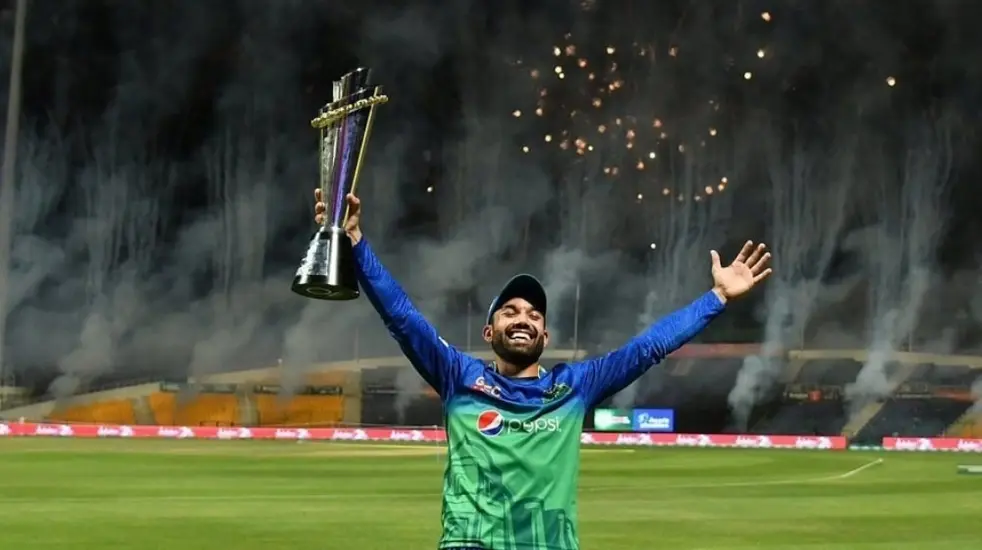
Shahid Afridi’s recent address on a local news channel program clarified a fundamental principle: while defending one’s team is a justified impulse, the enduring impact comes from sustained on-field execution. Afridi acknowledged Shadab Khan’s sentiment, recognizing the significance of their historic 2021 ICC Men’s T20 World Cup win against India. However, he precisely articulated a critical post-victory challenge: the team’s difficulty in effectively managing the subsequent respect and elevated pressure. Consequently, this perceived inability to handle newfound prominence led to unresolved internal issues, impacting both individual player consistency and overall team cohesion after 2021.

Amplifying National Pride: The Ripple Effect of Consistent Performance
How Player Discipline Influences Public Sentiment
For the Pakistani citizen, especially students and aspiring professionals, the consistent delivery of high-quality cricket by athletes like Shadab Khan directly translates into a source of national pride and a model of disciplined achievement. When players effectively manage pressure and deliver results, it reinforces a positive national narrative. Conversely, internal team disputes or public spats can erode confidence. This structural integrity in sports mirrors societal efficiency; a team operating with calibrated focus on performance ensures positive representation globally, fostering a sense of collective advancement across urban and rural Pakistan. Furthermore, the dedication to improvement inspires the next generation to pursue excellence in their own fields.
The Forward Path: A Momentum Shift Through Performance
Catalytic Advice for Sustained Progress for Shadab Khan Performance
This development represents a Momentum Shift. Afridi’s advice functions as a catalytic intervention, guiding the team towards a more resilient and performance-driven operational baseline. His direct recall of supporting Shadab Khan during periods of poor form underscores a crucial aspect of mentorship within the sporting ecosystem. Afridi pointedly noted his public advocacy for Shadab’s value as an all-rounder. Consequently, this historical context reinforces the expectation for players to reciprocate support with tangible output. The strategic emphasis on silencing critics through performance, rather than dialogue, aligns precisely with the principles required for sustained national advancement in competitive arenas.
Afridi’s own career experience, enduring intense criticism yet responding with decisive performances against formidable opponents, serves as a structural blueprint. He explicitly urged Shadab to channel his efforts into strong showings, specifically mentioning upcoming matches against New Zealand. This is not merely a “Stabilization Move”; it is a strategic recalibration designed to elevate the team’s competitive posture and ensure long-term, high-impact output on the global stage. Ultimately, this approach cultivates a culture of self-reliance and results-oriented excellence, vital for any nation’s progress.