Strategic Exclusion: The IPL Hundred Boycott of Pakistani Players
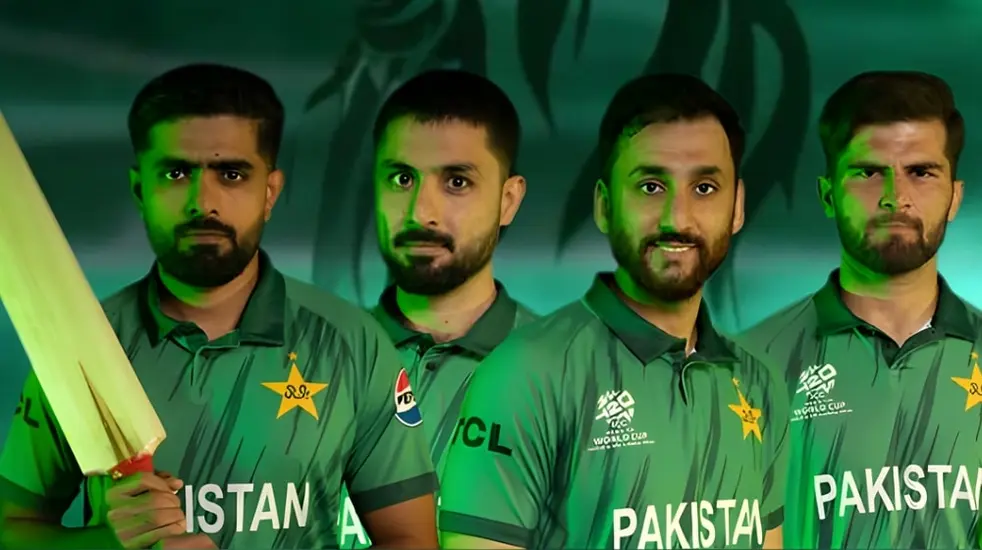
A systematic operational pattern is emerging where IPL-linked ownership groups are reportedly unwilling to bid for Pakistani players in The Hundred auction, extending a long-running trend of political tensions disrupting global cricket. This IPL Hundred boycott impacts player opportunities significantly, specifically in competitions that market themselves as inclusive and diverse. Consequently, agents are observing that interest in Pakistani talent is now primarily limited to teams without direct IPL ownership connections, creating a calibrated exclusion mechanism. This calculated IPL Hundred boycott necessitates a re-evaluation of global cricket’s structural integrity.
The Translation: Deciphering Operational Mechanics
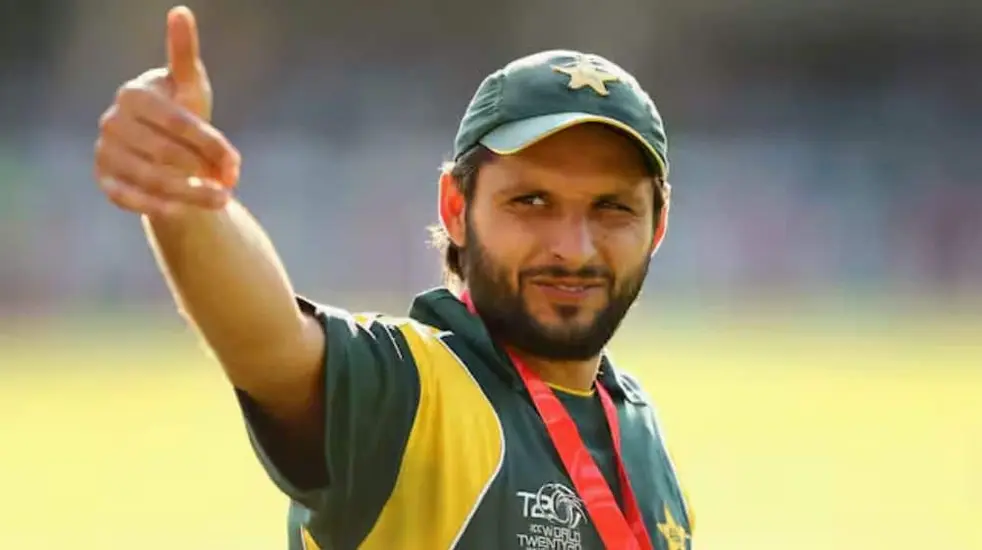
This situation is not isolated. For instance, several franchises within The Hundred are either fully or partially controlled by groups that also manage IPL teams. This structural integration effectively translates diplomatic tensions into player selection policies. Furthermore, Pakistani cricketers have been absent from the IPL since 2009 due to these political dynamics. Critics contend that this same political stance is now being systematically applied through overseas franchise ownership structures, thereby limiting career pathways for Pakistani players in major leagues.

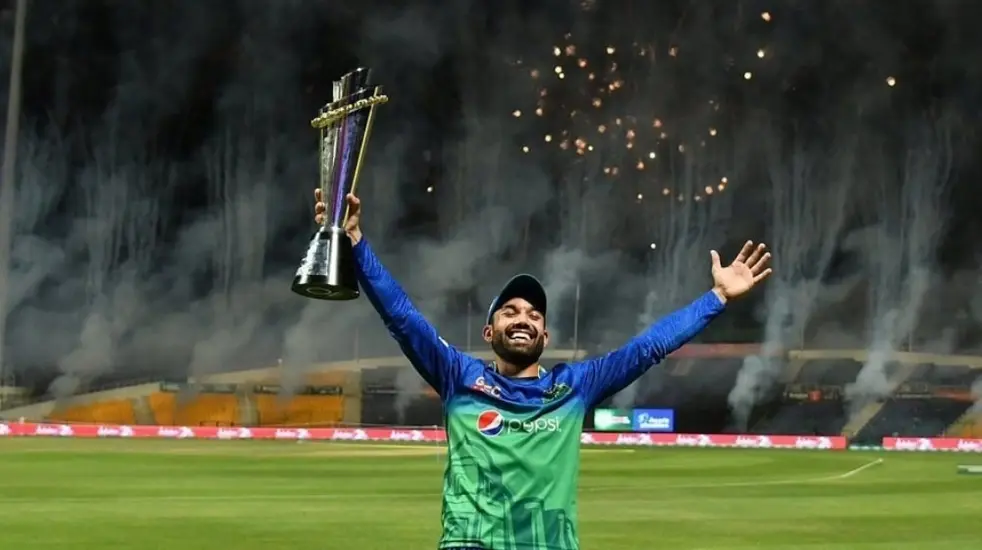
The pattern extends beyond The Hundred. In South Africa’s SA20 league, for example, no Pakistani players have featured since its inception, as all participating teams are owned by IPL-linked groups. In contrast, the UAE’s ILT20 presented a notable exception. While most IPL-owned franchises reportedly avoided Pakistani signings, the Desert Vipers strategically selected Pakistani players, ultimately clinching their inaugural ILT20 title. This specific outcome reinforces the perception that an unofficial exclusion policy operates wherever IPL ownership exerts operational control.


The Socio-Economic Impact: Pathways for Pakistani Athletes
This systematic sidelining directly impacts the daily lives and professional trajectories of Pakistani cricketers. For students aspiring to professional careers, the reduced access to global leagues constrains opportunities for financial advancement and international exposure. Furthermore, it limits revenue streams for households that rely on sports earnings. Professionals face reduced market value and fewer platforms to hone their skills against global talent. This situation not only affects individual players but also poses structural challenges for Pakistan’s national cricket development pipeline, necessitating strategic recalibration for player growth and talent retention within the nation’s sporting ecosystem.

The Forward Path: Calibrating for Future Engagement
This development represents a Stabilization Move within the existing geopolitical and commercial landscape of cricket. It indicates a consistent application of established operational patterns rather than a shift towards greater inclusivity. To mitigate these structural impediments, Pakistan’s cricket administration must implement proactive strategies. This involves fostering robust domestic leagues and aggressively pursuing opportunities in other international tournaments not influenced by these ownership dynamics. Consequently, a strategic focus on player development and alternative market penetration is paramount to ensure sustained career progression for Pakistani athletes.