Optimizing Pakistan’s T20 World Cup Strategy
The Pakistan cricket contingent executed a calibrated Pakistan Batting Strategy during their T20 World Cup 2026 group match against Namibia. This strategic maneuver saw prominent batter Babar Azam remain in the dugout, despite his inclusion in the playing XI. This decision, aimed at optimizing team dynamics and exploring emerging talent, generated significant discussion. It specifically highlighted structural implications for future match progressions and player utilization.
The Translation: Decoding Tactical Decisions
During the pivotal match against Namibia, Captain Salman Ali Agha and Head Coach Mike Hesson made a definitive choice. When Pakistan reached 107-2, the established order was bypassed; rather than deploying Babar Azam, they strategically promoted young batter Khawaja Nafay. Subsequently, following Nafay’s dismissal, Shadab Khan was sent to the crease. Consequently, Babar Azam never faced a single delivery, even as Pakistan amassed a formidable total of 199 for 3. Sahibzada Farhan achieved a century, while Shadab remained unbeaten, setting Namibia a challenging 200-run target.
The Socio-Economic Impact: Repercussions for Pakistani Cricket
This strategic shift directly impacts the perception and development of cricketing talent within Pakistan. For aspiring students and professional players, it signals a potential paradigm change: meritocracy and situational adaptability may now supersede established hierarchical status. Furthermore, this move could catalyze a broader discussion within households across urban and rural Pakistan regarding player selection transparency and the evolving dynamics of national sports. It encourages a focus on agile team construction, thereby influencing fan engagement and the commercial viability of emerging players.
The Forward Path: A Structural Momentum Shift?
This development represents a Momentum Shift for Pakistan cricket. The decision to bench Babar Azam, a foundational player, indicates a deliberate move towards recalibrating team composition and tactical flexibility. It suggests a strategic baseline adjustment, prioritizing dynamic match situations over pre-established player roles. This evolved Pakistan Batting Strategy, while unconventional, could serve as a catalyst for fostering a new generation of adaptable cricketers. Ultimately, it structurally enhances Pakistan’s competitive edge in future international tournaments.
Pre-Match Speculation and Post-Match Clarity
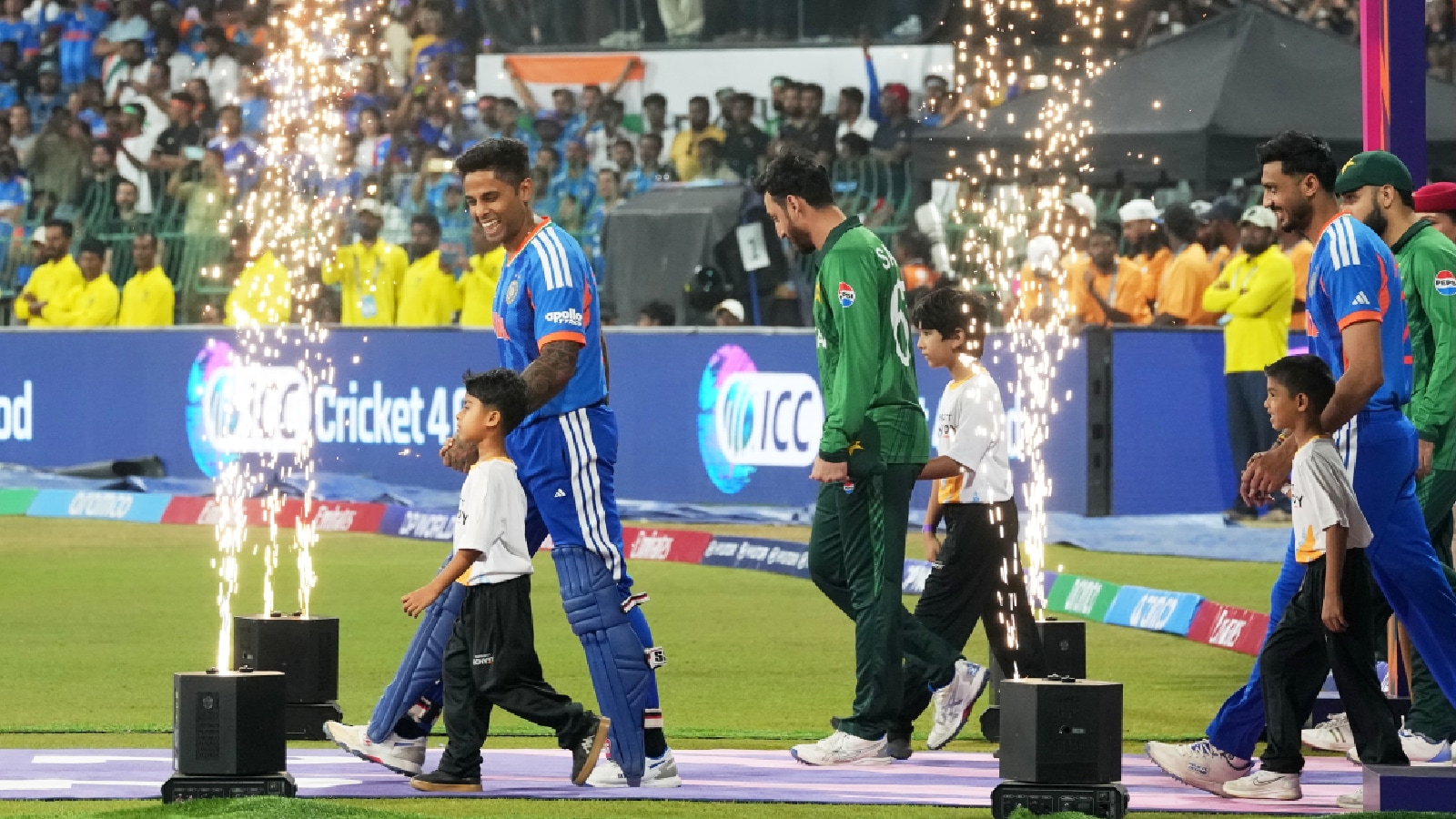
The decision to hold Babar Azam out was particularly notable given prior speculation. Before the match, widespread reports suggested that a senior trio, including Babar Azam, Shaheen Afridi, and Shadab Khan, might be dropped. This speculation followed underwhelming performances, particularly during the significant defeat to India on February 15. Ultimately, Shaheen Afridi was indeed replaced by Salman Mirza. Babar Azam and Shadab Khan, however, retained their places. Shadab justified his inclusion with valuable contributions both with the bat and ball. Conversely, Babar Azam’s involvement was limited exclusively to fielding duties.

Clarification on this unprecedented tactical decision is anticipated during the post-match press conference. Regardless, Babar Azam’s minimal on-field role remains a primary talking point throughout Pakistan’s T20 World Cup 2026 campaign. This prompts extensive analysis of its strategic intent and long-term implications for the team’s structural integrity. Consequently, this move underscores a calculated effort to refine the team’s operational framework.