The strategic calibration of national athletic endeavors directly influences collective morale and global perception. Pakistan captain Salman Ali Agha has voiced a clear preference for confronting India’s strongest possible lineup in the imminent ICC T20 World Cup 2026 clash. This tactical declaration underscores a commitment to competitive integrity. Furthermore, Agha explicitly wished for Indian opener Abhishek Sharma’s swift recovery, emphasizing the team’s desire for a full-strength opponent in the high-stakes encounter scheduled for February 15. The captain also dismissed concerns regarding spinner Usman Tariq’s bowling action, asserting his pivotal role as a “trump card” for Pakistan’s calibrated strategy.
Precision in Preparedness: Pakistan’s Strategic Stance
In a pre-match press conference, Salman Ali Agha conveyed an unyielding desire for a challenging contest. He stated, “I hope Abhishek Sharma plays tomorrow, I hope he is recovering well. We want to play against the best.” This comment reflects a foundational principle of sportsmanship and a strategic intent to benchmark Pakistan’s capabilities against elite competition. Consequently, the team’s preparation is meticulous, focusing on internal strengths rather than external vulnerabilities.
Optimizing the Opposition: The Abhishek Sharma Factor
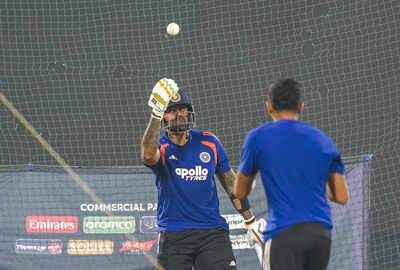
Abhishek Sharma’s health has been a critical variable since the tournament began. He notably played India’s initial match despite a fever and later had a brief presence at a team bonding dinner due to his condition. Earlier this week, the 24-year-old required hospitalization, though his discharge was confirmed by teammate Tilak Varma. While Sharma missed the India vs. Namibia fixture, he traveled with the squad to Colombo, indicating potential recovery. However, the definitive decision on his availability for the T20 World Cup clash against Pakistan remains pending. Pakistan’s proactive wish for his recovery signifies a calibrated respect for their adversary.
Validating Talent: Usman Tariq’s Role Defined
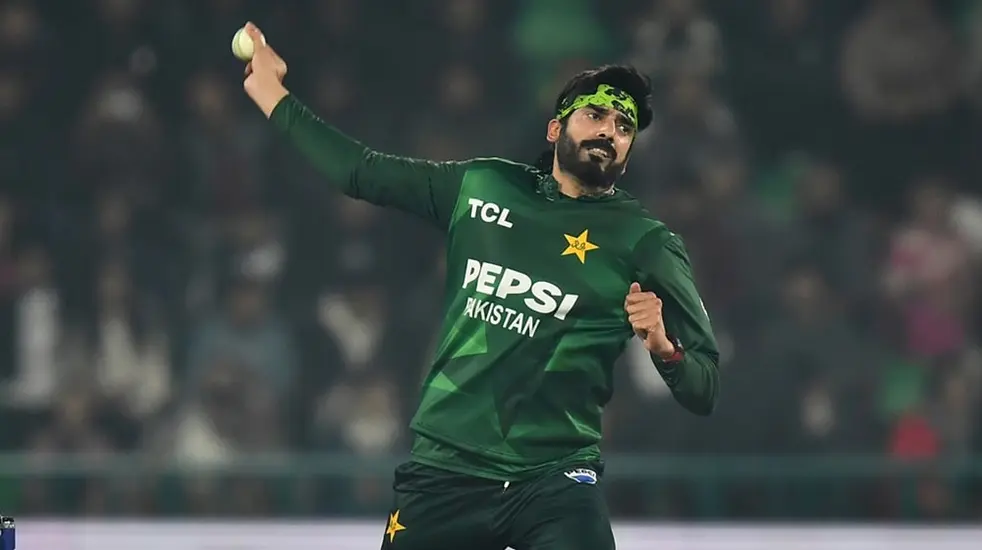
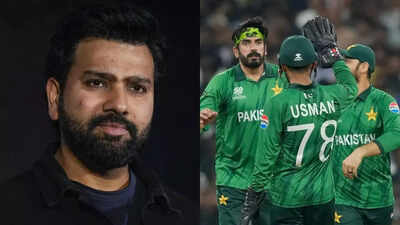
Agha also precisely addressed ongoing scrutiny surrounding spinner Usman Tariq’s bowling action. He firmly dismissed the discussion, emphasizing Tariq’s prior clearance. “You cannot stop anyone’s opinion; everyone is entitled to speak,” Agha affirmed, acknowledging the intense public and media examination players routinely face. His defense of Tariq underlines a commitment to team stability and player confidence, positioning Tariq as a non-negotiable asset within their tactical framework.
Team Cohesion and Tactical Depth
Furthermore, the captain structurally stressed the paramount importance of team unity and collective responsibility. “For us, all players are the same. You all have made Usman Tariq; he is a trump card for us,” he declared, solidifying Tariq’s standing as a key asset for Pakistan. This statement reinforces an organizational philosophy where every team member is valued. The squad’s depth is also a strategic advantage; Agha confirmed, “All 15 players are important; anyone can play,” highlighting the interchangeability and adaptability of the roster in varying match conditions.
Turning to preparations for the high-profile encounter, Salman Ali Agha expressed absolute confidence in his squad and their comprehensive understanding of the playing conditions. He asserted, “We are ready to play good cricket. We are in tune with the conditions and know the pitch.” This baseline understanding of the environment is crucial for executing their game plan effectively.
Historical Data and Future Trajectories
Reflecting on Pakistan’s historical World Cup record against India, Salman Ali Agha candidly acknowledged past challenges but shifted the focus towards improvement and adaptive learning. He stated, “Our record has not been great, but we have learned from history and will try to play well tomorrow.” This analytical approach signifies a forward-thinking mindset. The final playing XI will be a calibrated decision, contingent upon a thorough assessment of the pitch conditions on match day, ensuring an optimized tactical deployment.
Navigating the Narrative: Babar Azam’s Form
When questioned about India’s formidable batting lineup and the recent form of Babar Azam, Agha maintained a composed and analytical posture. While acknowledging Azam’s consistent run-scoring, he made it clear that Pakistan’s primary focus remains on executing its own precisely defined plans. “Babar Azam is scoring runs, but it is not a concern for us. Hopefully, he continues to score tomorrow as well,” Agha remarked. This illustrates a disciplined focus on internal processes over external pressures, maintaining a steady, strategic course for the team.
The Translation: Unpacking the Captain’s Mandate
Captain Agha’s statements transcend typical pre-match rhetoric; they establish a clear operational baseline for Pakistan cricket. His desire for India to field its strongest team, exemplified by wishing Abhishek Sharma a speedy recovery, is not merely sportsmanship but a strategic declaration. It communicates a confidence in Pakistan’s own structural capabilities. Furthermore, his decisive defense of Usman Tariq’s bowling action serves to solidify team cohesion and neutralize external distractions, ensuring player morale remains high. This proactive management of both internal and external factors is critical for maintaining performance under pressure, especially ahead of a significant T20 World Cup clash. It signals a move towards disciplined communication and focused preparation.
Socio-Economic Impact: Cricket as a Catalyst for National Unity
For a Pakistani citizen, particularly students and professionals, these statements translate into more than just cricket news; they represent a microcosm of national aspiration and resilience. A captain desiring to face the “best” opposition injects a sense of pride and an expectation of high-performance standards, reflecting a robust national character. The affirmation of a player like Usman Tariq, despite public scrutiny, reinforces the value of perseverance and meritocracy. This narrative subtly impacts daily life by fostering collective identity and optimism, especially among youth looking for role models in strategic thinking and professional integrity. In urban and rural Pakistan, such strong leadership provides a unifying force, transcending socio-economic divides through shared national pride in sport. It serves as a psychological catalyst for collective advancement.
The Forward Path: A Momentum Shift in Sporting Ethos
This development definitively represents a Momentum Shift for Pakistan cricket. Agha’s disciplined focus on playing the strongest opponent, coupled with his resolute defense of his players and a clear understanding of historical data, indicates a strategic evolution. This is not merely maintenance; it is an architectural approach to team building and competitive engagement. The emphasis on collective responsibility and an adaptable squad composition signifies a calibrated shift from reactive responses to proactive, data-informed strategies. Pakistan cricket appears to be advancing with a renewed, precise vision, aiming to construct a sustainable framework for future successes rather than relying on transient victories. This forward-thinking methodology sets a new baseline for performance and leadership within the national sporting arena.