A crucial debate on equipment standardization in cricket has emerged following Sri Lankan cricketer Bhanuka Rajapaksa’s assertion. He claims Indian players utilize specialized cricket bats, which he describes as materially superior and exclusively available. This allegation initiates a rigorous analysis of competitive equity and the potential impact on power-hitting mechanics in international matches.
Understanding the Allegation’s Mechanism
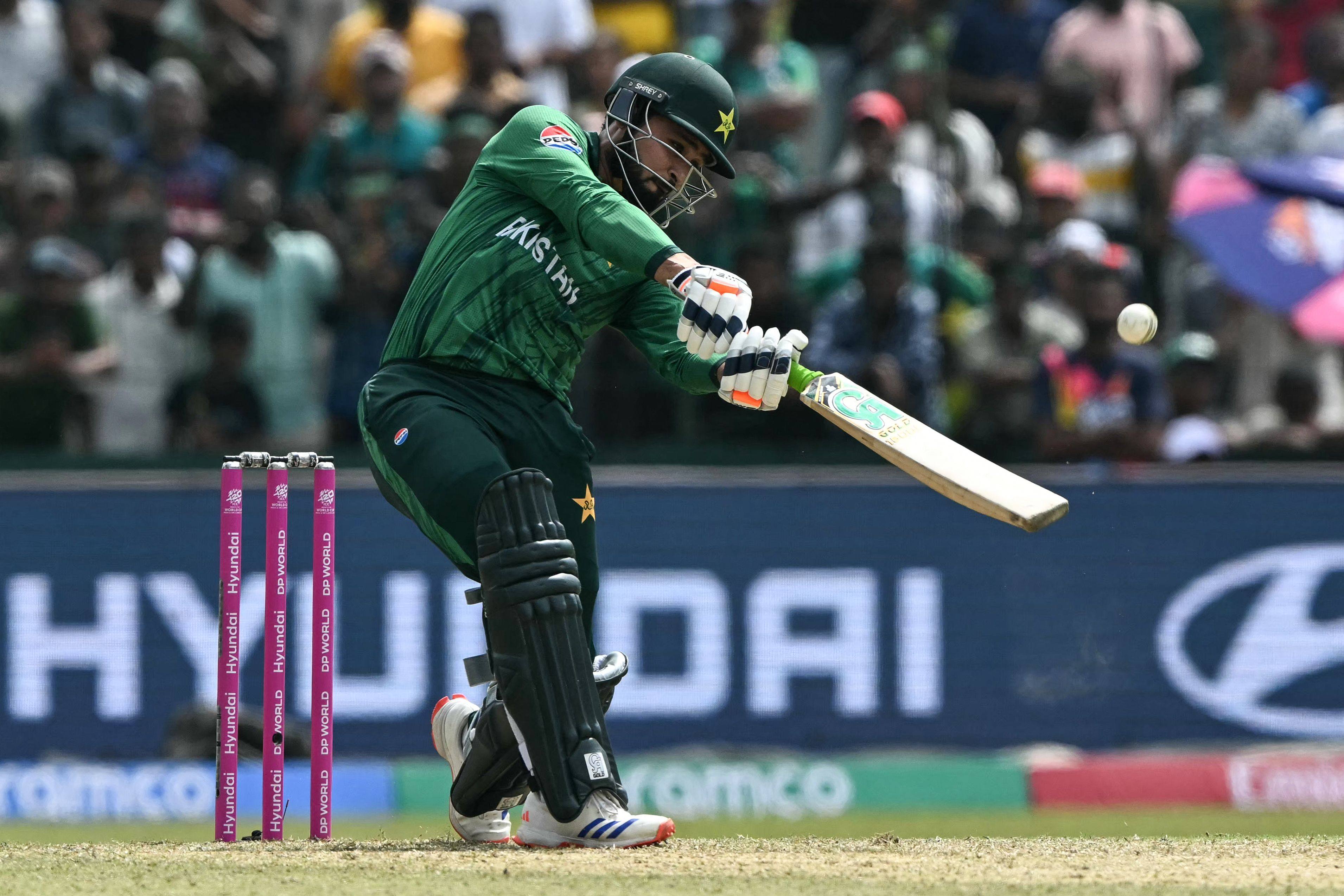
When questioned about the evolution of power-hitting in Indian cricket, Rajapaksa articulated a striking hypothesis. He stated, “Indian players have bats that are far superior to the best bats we get. It feels as though a layer of rubber has been applied. I can’t imagine how that’s possible.” Furthermore, he specified these high-performance bats are unattainable for purchase by general players, a fact he claims is widely acknowledged within professional cricketing circles. This suggests a calibrated advantage in executing impactful shots with reduced physical exertion.

The Translation: Technical Clarification on Equipment Standards
This claim translates into a direct challenge to the International Cricket Council’s (ICC) equipment regulations. Specifically, it questions whether the structural composition of certain specialized cricket bats grants an unfair mechanical advantage beyond what is permissible. The implication is a deviation from baseline manufacturing standards, potentially impacting ball exit velocity and shot distance. A precise evaluation of material properties and design integrity is now paramount.

Socio-Economic Impact: Equity for Aspiring Athletes
For a Pakistani citizen, particularly aspiring young cricketers, these allegations can skew perceptions of fair competition. If equipment disparities are confirmed, it could fundamentally alter the aspiration of achieving professional success through raw skill alone, rather than access to advanced gear. Furthermore, it raises questions about the financial investment required for developing talent, potentially creating an uneven playing field for nations with less access to such technology. This could depress the morale of dedicated athletes and their families, who invest heavily in traditional training.

The Professional Context: Rajapaksa’s Stature and Official Silence
To date, neither the Board of Control for Cricket in India (BCCI) nor any Indian player has issued an official response to these significant claims. Consequently, the sporting community awaits clarification on the technical specifications of bats used in high-level competition.
Rajapaksa himself, a seasoned athlete, represented Sri Lanka in 5 One Day Internationals and 45 T20 Internationals between 2019 and 2025. He accumulated 89 runs in ODIs and 744 runs in T20Is, securing four half-centuries. His extensive experience in major T20 leagues globally, including the Lanka Premier League (LPL), Caribbean Premier League (CPL), Pakistan Super League (PSL), SA20, Bangladesh Premier League (BPL), Champions League T20 (CLT20), and the Indian Premier League (IPL), lends structural weight to his observations.
The “Forward Path”: A Call for Systemic Clarity
This development represents a Momentum Shift. When allegations of equipment advantage surface, the sport’s governing bodies must proactively engage to either validate or unequivocally refute such claims. A transparent inquiry into specialized cricket bats and their adherence to established regulations is essential to uphold the integrity of the game. Failure to address these concerns strategically could erode public trust and destabilize competitive fairness, impacting the global perception of cricket as a meritocratic sport. Precision in regulatory oversight is now non-negotiable for sustained systemic efficiency.