Strategic Pause: ICC Delays Pakistan India T20 Tickets
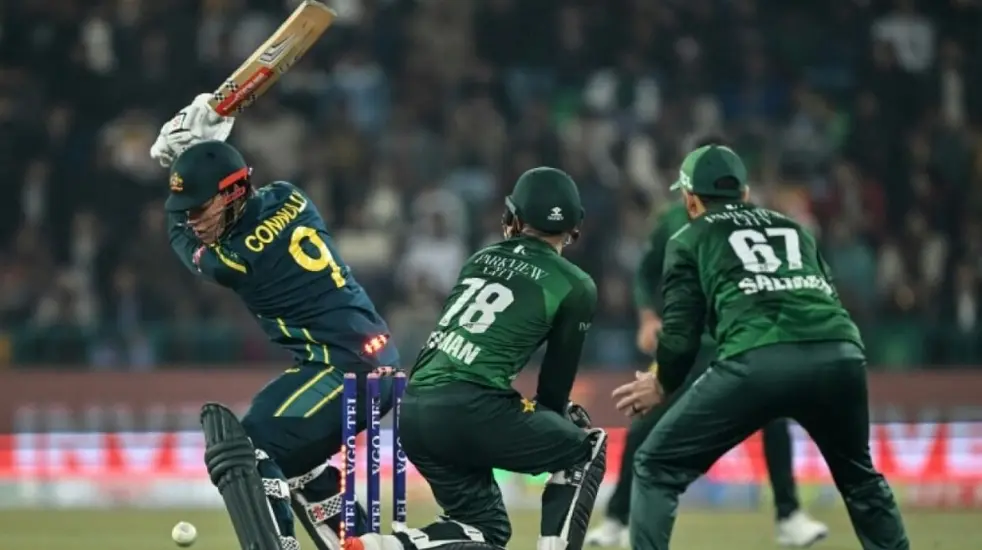
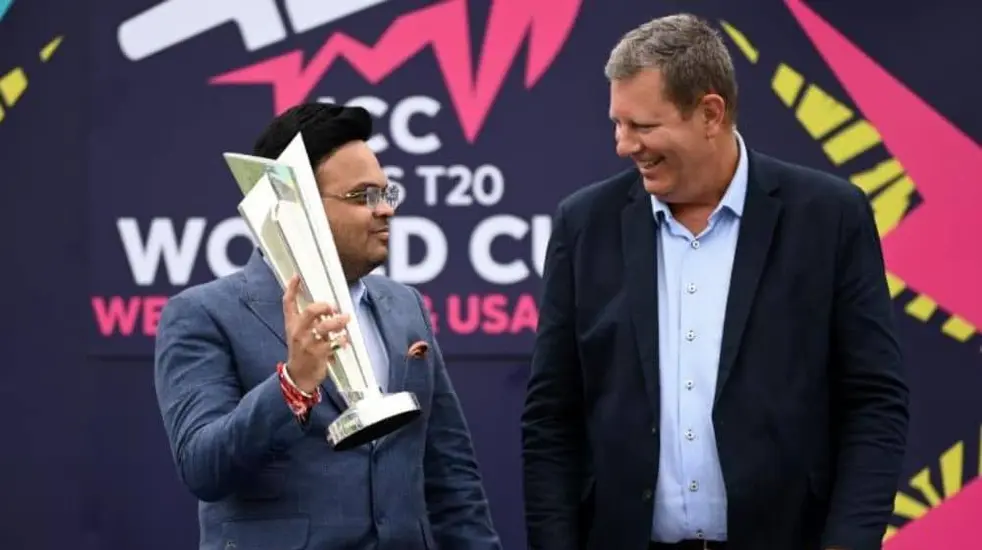
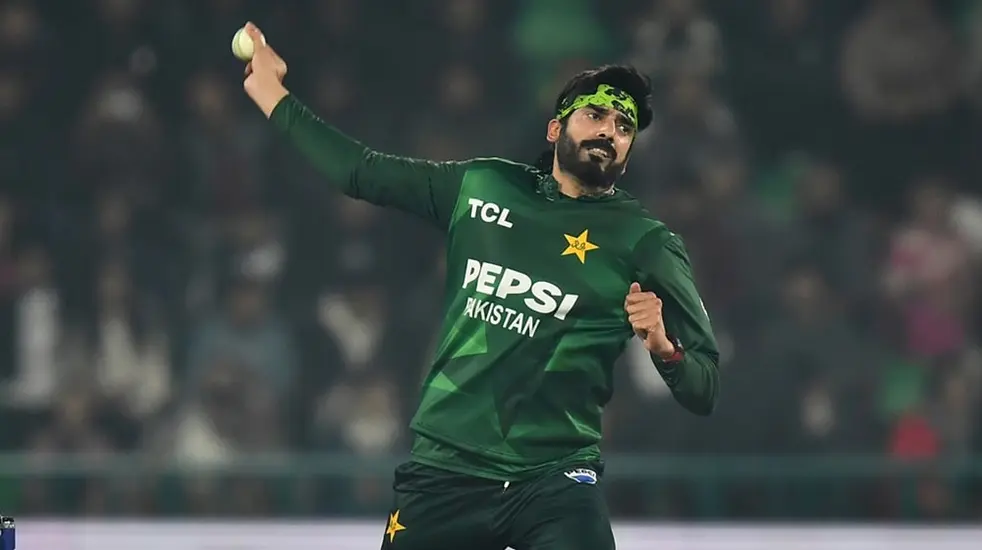
A strategic calibration by the International Cricket Council (ICC) has led to an indefinite halt in Pakistan India T20 tickets sales for their highly anticipated T20 World Cup clash. This development stems from ongoing uncertainty regarding Pakistan’s final participation. Although the match is precisely scheduled for February 15th at Colombo’s R Premadasa International Cricket Stadium, fans are presently unable to secure tickets, marking a significant departure from typical tournament protocols.
Consequently, while other Super 8 stage games at the same venue have active ticket sales, the Pakistan-India fixture distinctly displays a “commence soon” message. This specific deferral highlights a procedural impasse, underscoring the critical need for a formal resolution before public access to this pivotal event can proceed.
The Translation: Deconstructing the Ticketing Impasse
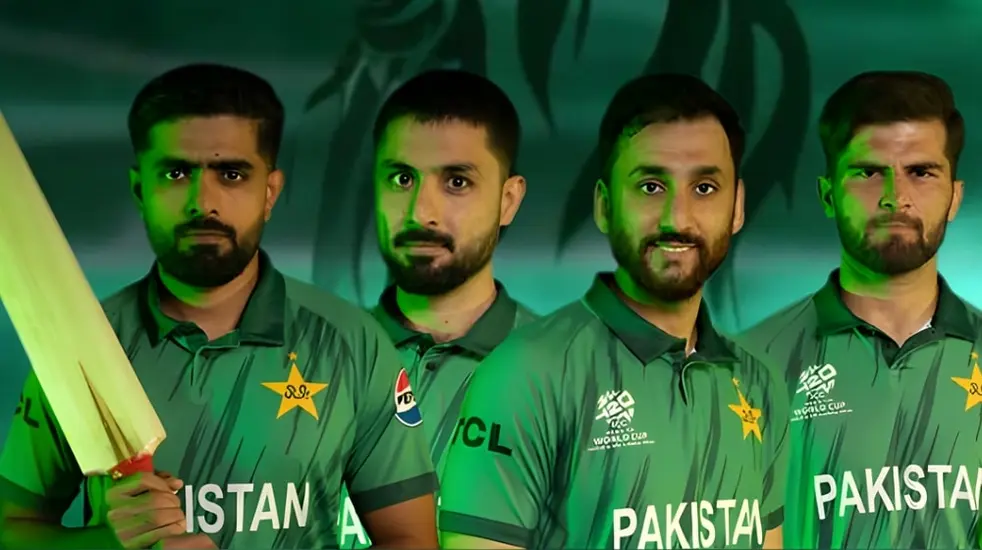
The cessation of Pakistan India T20 tickets sales is a direct outcome of procedural ambiguity, rather than a cancellation. The Pakistan Cricket Board (PCB) has not yet provided formal confirmation of its team’s participation to the ICC. Furthermore, despite Pakistan’s squad having already arrived in Colombo, and India’s captain Suryakumar Yadav confirming his team’s travel readiness, the ICC is awaiting this crucial governmental-level decision. This scenario exemplifies how geopolitical considerations can structurally impact international sports logistics, creating a state of deliberate suspension.
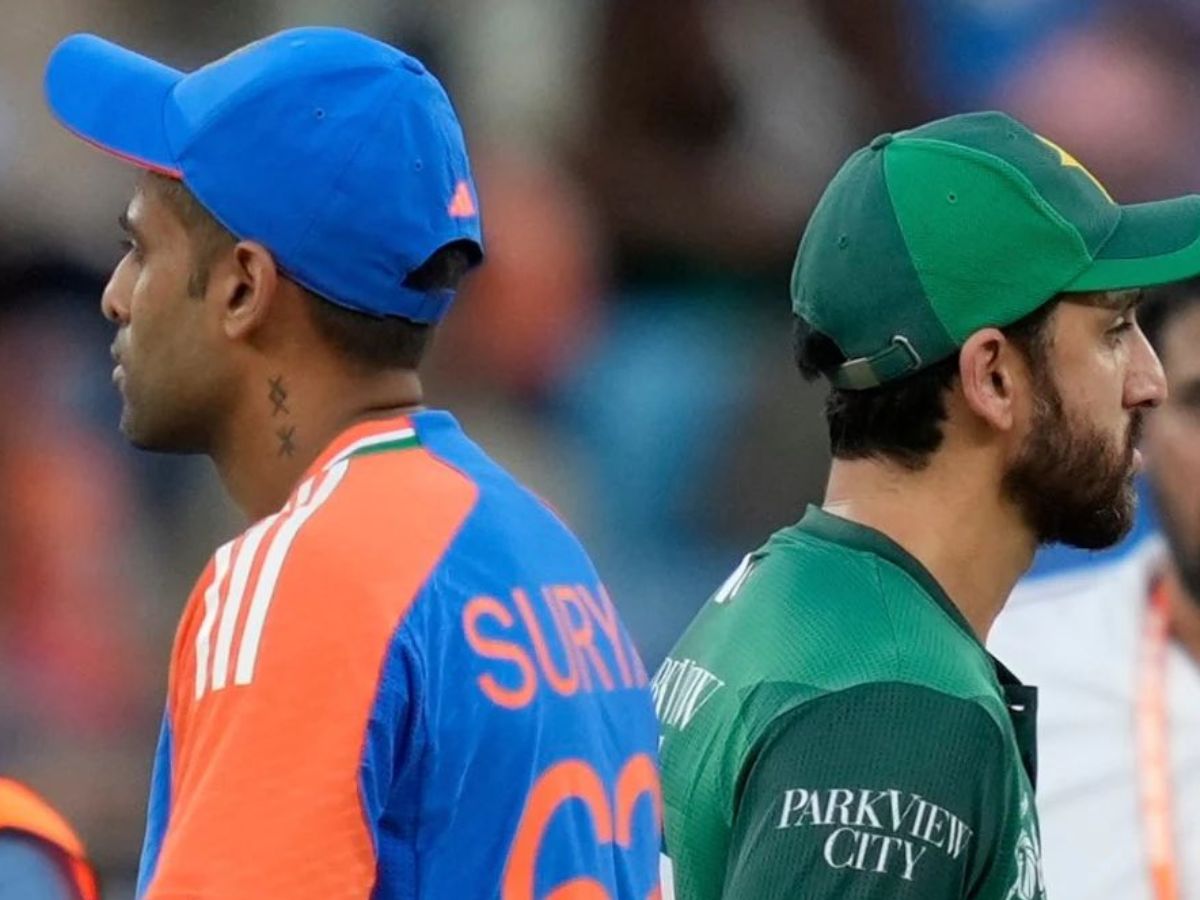
Sources familiar with the situation report that back-channel contacts between the ICC and the Board of Control for Cricket in India (BCCI) have attempted to resolve the impasse. In contrast, Pakistan’s position remains unchanged. Prime Minister Shehbaz Sharif precisely reiterated the government’s stance, emphasizing a separation of politics from sport, indicating Pakistan would not play India in the tournament. This decision fundamentally underpins the current ticketing hold.
Socio-Economic Impact: Ripple Effects on Stakeholders
The unresolved status of the Pakistan India T20 tickets directly translates into tangible socio-economic repercussions. For Pakistani citizens, particularly the youth and aspiring athletes, this situation curtails a significant opportunity for national representation and international competitive exposure. It also impacts the morale of cricket enthusiasts eager to witness a marquee event.
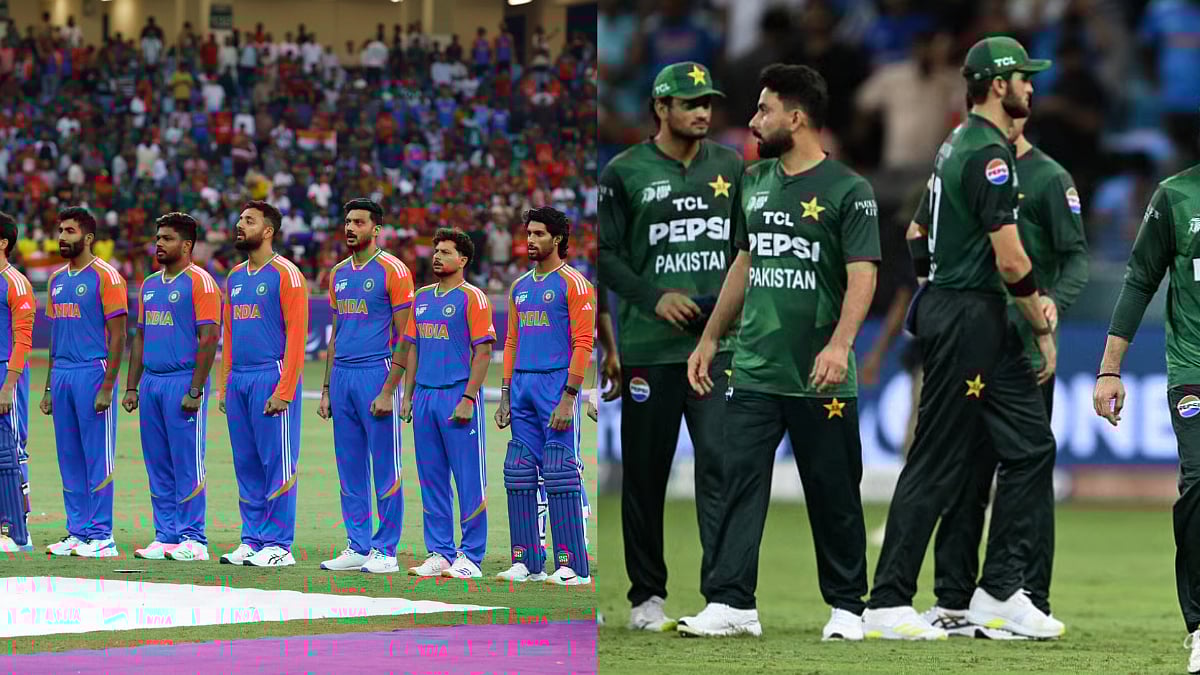
Economically, co-hosts like Sri Lanka Cricket (SLC) face potential heavy financial losses. Revenue streams from ticket sales, tourism, and associated hospitality services are significantly impacted. This financial disruption affects local businesses, service providers, and ultimately, the livelihoods of those dependent on large-scale sporting events. Furthermore, the global perception of cricket as a unifying force is subtly challenged by such disputes, potentially influencing future investment and sponsorships in the region’s sports infrastructure.
The Forward Path: A Stabilization Move for Principle
This development represents a Stabilization Move rather than a momentum shift. Pakistan’s government has clearly articulated a position rooted in principle, prioritizing national stance over immediate sporting engagement. While this creates a temporary operational pause for the ICC, it calibrates Pakistan’s diplomatic approach to international sports. It is a structural reinforcement of boundaries, rather than a push for new trajectories.

The emphasis is on maintaining a consistent policy, even when faced with significant commercial pressures and diplomatic overtures. Consequently, this strategic decision impacts immediate event logistics but also projects a long-term commitment to a defined geopolitical position. This approach aims to secure a more robust and equitable framework for future engagements, rather than simply pursuing short-term gains.