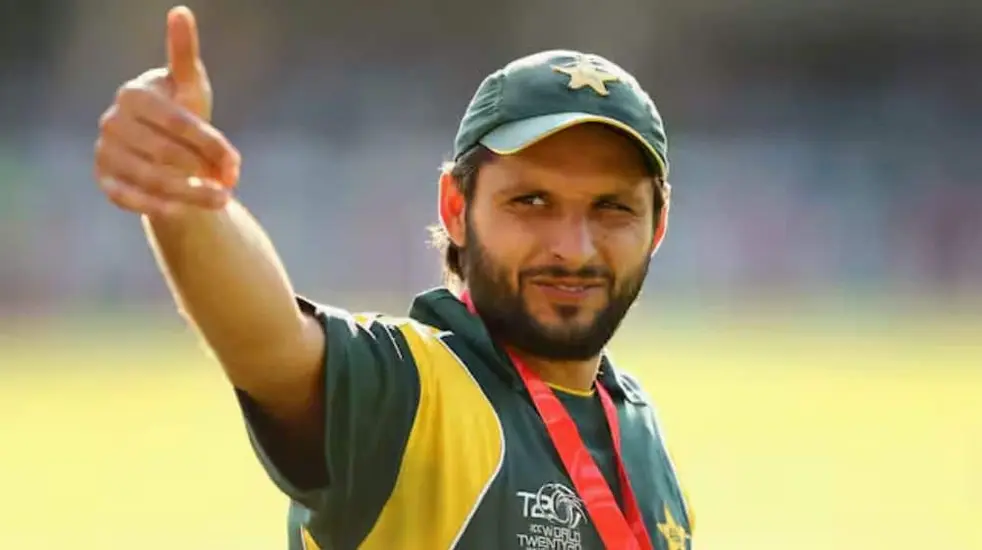
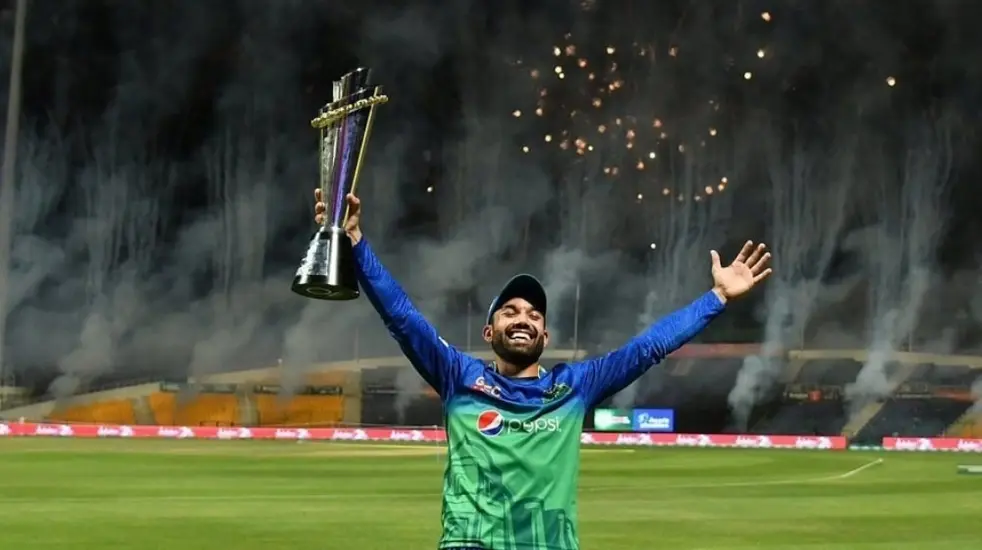
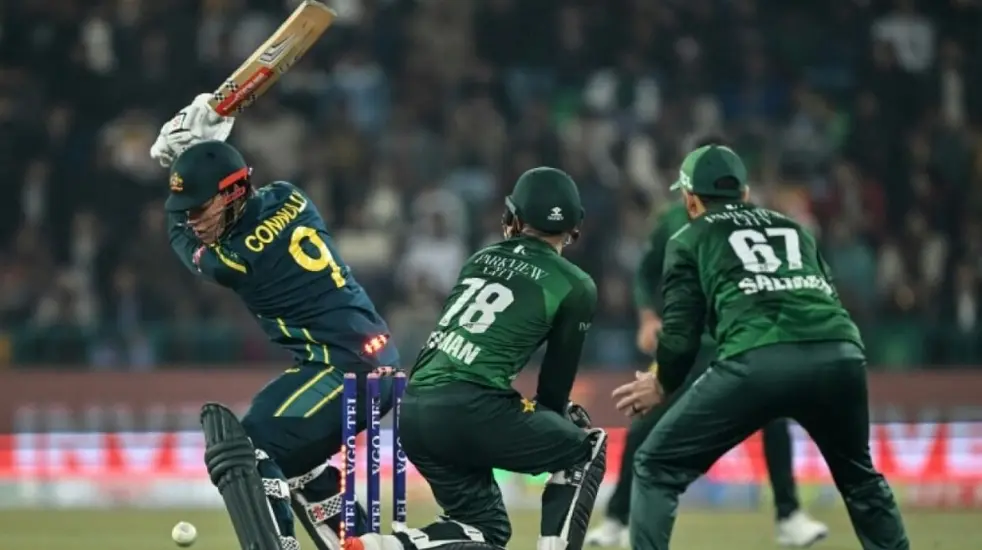
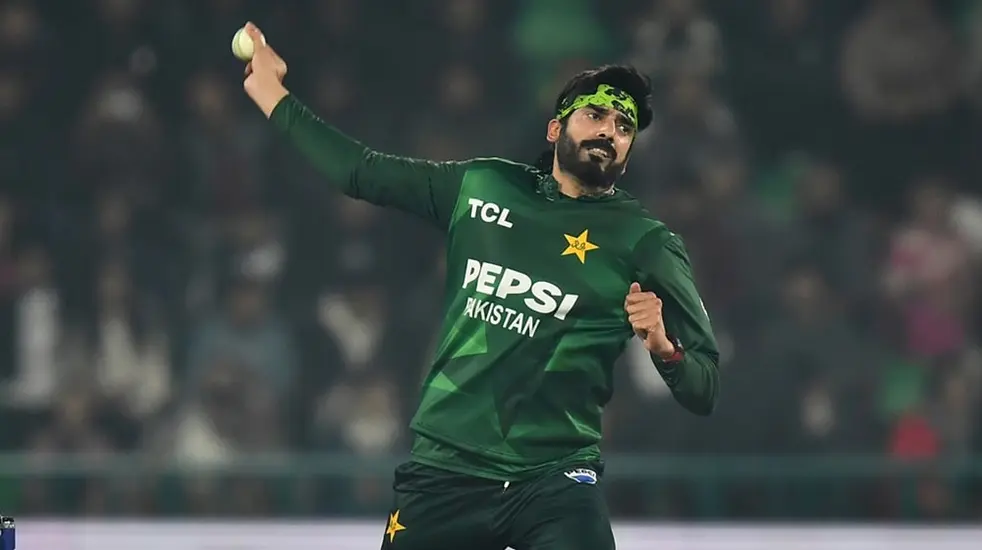
Pakistan’s cricketing infrastructure experiences a significant structural recalibration as Peshawar Zalmi strategically reveals its core player retentions for the upcoming Pakistan Super League (PSL 11) season. This pivotal announcement, spotlighting key players like Babar Azam, underscores a profound shift in franchise operational dynamics: the league transitions from a traditional draft to an innovative auction model, compelling teams to adopt precision-driven budget planning and talent acquisition strategies. These Peshawar Zalmi retentions mark a crucial baseline for the league’s competitive landscape.
The Translation: Unpacking PSL 11’s New Paradigm
The Pakistan Super League (PSL) is implementing a comprehensive strategic overhaul for its eleventh season. Consequently, the traditional player draft system has been superseded by an auction model, fundamentally reshaping how franchises calibrate their rosters and manage fiscal resources. Furthermore, player retention rules have been significantly tightened. Previously, teams could retain up to eight players; however, under the updated PSL 11 regulations, this capacity has been reduced to a maximum of four players across all categories. This adjustment necessitates a sharper, more data-driven decision-making process before the auction commences.
Precision Investment: Peshawar Zalmi’s Core Retentions
Peshawar Zalmi has made targeted investments in four key athletes. Specifically, Babar Azam, the team captain, has been secured in the Platinum category with a retention value of Rs. 7 crore. Similarly, Sufiyan Muqeem joins the Diamond bracket, commanding Rs. 4.48 crore. In the Gold tier, Abdul Samad’s retention is set at Rs. 2.8 crore, while emerging fast bowler Ali Raza will receive Rs. 1.96 crore. This financial commitment reflects a calibrated assessment of player value and strategic foresight for the competitive PSL 11 campaign, scheduled from March 26 to May 3.
The Socio-Economic Impact: Catalyzing National Engagement
The strategic shifts within the PSL, exemplified by these substantial player retentions and the new auction model, have a tangible socio-economic impact across Pakistan. Firstly, the increased financial transparency and investment in local talent provide a clear professional pathway for aspiring cricketers, particularly students and emerging athletes in both urban and rural centers. Consequently, this elevates the sport’s professionalization, inspiring greater participation and dedication to excellence. Moreover, the enhanced competitive structure is projected to amplify fan engagement, boosting local economies through event tourism, merchandising, and media consumption. This fosters a collective sense of national pride and unity around a globally recognized sports league, driving cultural as well as economic dividends.
The Forward Path: A Momentum Shift for Pakistani Cricket
This structural evolution within the PSL, notably the transition to an auction model and the strategic Peshawar Zalmi retentions, represents a definitive momentum shift for Pakistani cricket. It moves beyond mere maintenance adjustments, signaling a proactive embrace of global best practices in sports economics and talent management. The stringent retention limits force franchises to optimize their squads with greater precision, promoting tactical acumen over historical loyalty. Ultimately, this calibrated approach is a catalyst for sustained growth, ensuring the league remains dynamic, competitive, and a robust platform for developing national cricketing talent for years to come.