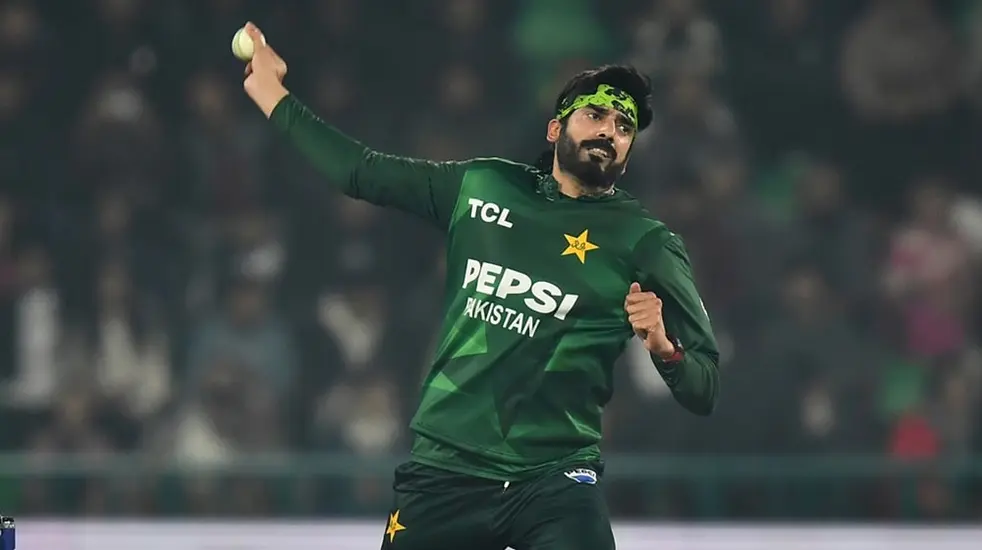
Calibrating the parameters of global sportsmanship, a recent incident involving Australian all-rounder Cameron Green and Pakistani spinner Usman Tariq provided a crucial juncture for demonstrating integrity in competitive cricket. Green’s on-field gesture, widely interpreted as an accusation of an illegal bowling action, was swiftly followed by a post-match Green Tariq apology. This decisive act by Green has strategically redirected potential controversy into a powerful narrative of respect and professional conduct, thereby reinforcing the foundational principles of fair play in international sports.
The Translation: Deconstructing On-Field Accusations
Understanding the implications of an on-field gesture like mimicking a ‘chucking’ action requires clarity on cricket’s stringent rules. When a bowler is accused of ‘chucking,’ it refers to an illegal bowling action where the arm straightens more than 15 degrees during delivery. Such accusations, even implied ones, carry substantial weight, potentially impacting a player’s reputation and career trajectory. Historically, formal complaints are lodged with match officials, triggering a review process. In this instance, however, despite Green’s visual mimicry, no formal complaint against Usman Tariq’s bowling action was officially registered by either the Australian team or the match officials.
The On-Field Incident’s Technical Dimensions
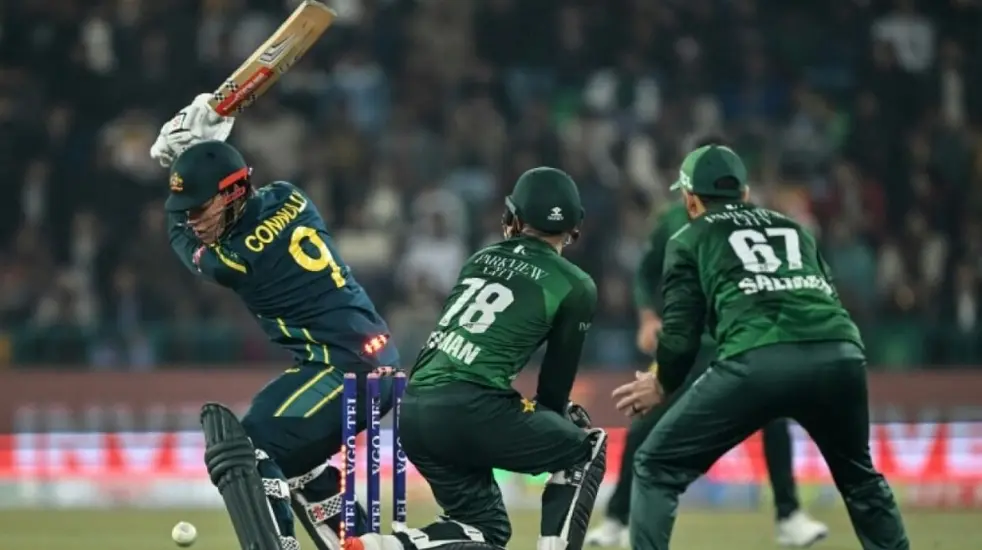
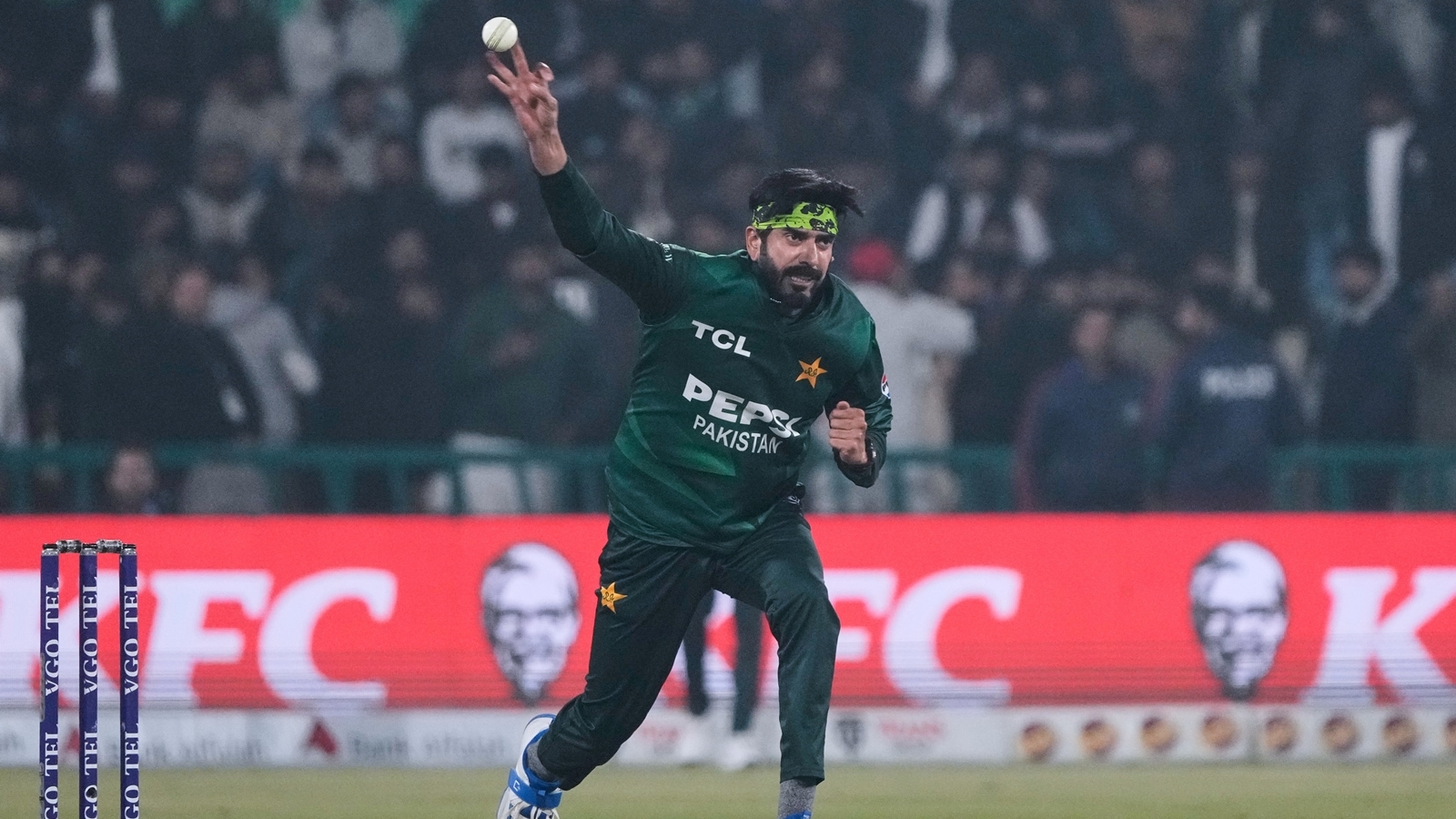
The catalytic moment occurred during Australia’s run chase in the second T20 match in Lahore. Cameron Green, dismissed by Tariq for 35 runs, reacted by mimicking a baseball-style throwing action. This visual signal immediately sparked interpretation regarding Tariq’s delivery technique. Conversely, Usman Tariq, playing only his third T20 international, delivered a remarkable performance, securing figures of 2–16 from 2.4 overs, including Green’s crucial wicket and that of Matthew Kuhnemann.
The Socio-Economic Impact: Cultivating Respect in Pakistani Cricket
This incident and its subsequent resolution profoundly impact the daily life and aspirations of a Pakistani citizen, particularly within the sporting ecosystem. For students and aspiring cricketers in urban and rural Pakistan, observing such an act of sportsmanship provides a tangible lesson. It underscores that even in high-pressure international matches, respect and accountability remain paramount. Furthermore, it reinforces the integrity of Pakistani players like Usman Tariq, whose performance on the field was validated by the lack of formal complaint and the eventual apology. This fosters a more positive global perception of Pakistani cricket, encouraging broader participation and support for the sport locally.
A Model for Young Athletes
The resolution serves as a critical educational tool. It teaches young athletes that while competitive intensity is vital, it must always be balanced with ethical conduct. Consequently, this incident establishes a baseline for how professional disagreements can be handled with grace, thereby preventing escalations and preserving the spirit of the game. For professionals and households, it translates into a sense of pride and affirmation, recognizing that Pakistani athletes are respected even when facing challenging on-field scenarios.
The Forward Path: A Momentum Shift in Sporting Ethics
This development represents a Momentum Shift rather than merely a stabilization move. While maintaining ethical standards is a constant endeavor, Cameron Green’s proactive Green Tariq apology transcends routine compliance. It establishes a new benchmark for personal accountability and transparent communication in elite sports. This action structurally enhances the perceived value of sportsmanship, moving beyond mere rule adherence to embrace a culture of mutual respect among competitors. Consequently, it acts as a catalyst for elevated conduct across international sporting arenas, fostering an environment where swift, personal accountability is as celebrated as on-field performance.
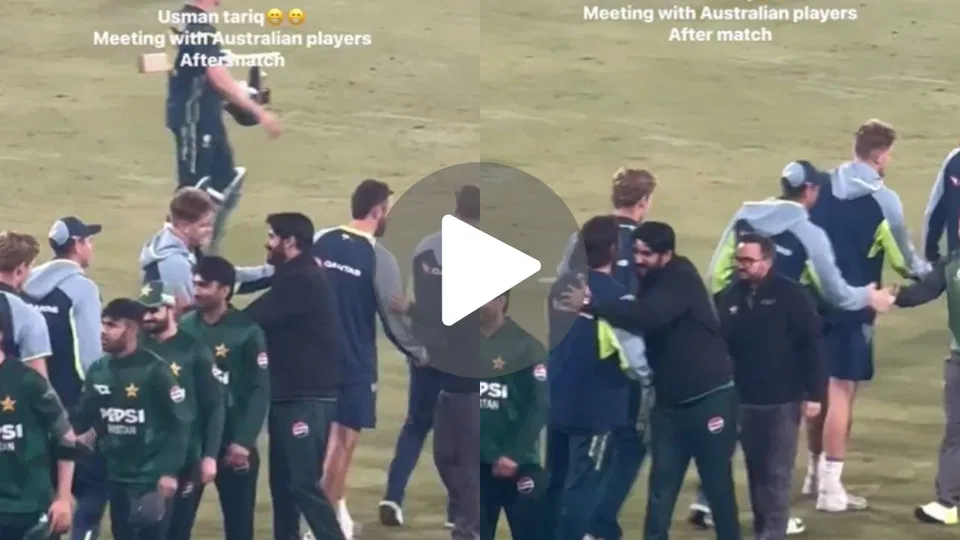
The post-match interaction, characterized by a handshake and respectful exchange between Green and Tariq, explicitly signaled the sincere nature of the apology. This unscripted moment conveyed a profound message of reconciliation. Furthermore, Tariq’s subsequent social media posts, first a humorous reaction to Green’s dismissal and later “Apology accepted,” confirmed the resolution and highlighted the maturity with which the situation was handled by both players. This public acknowledgement solidifies the impact of Green’s gesture, ensuring its resonance within the wider cricketing community.