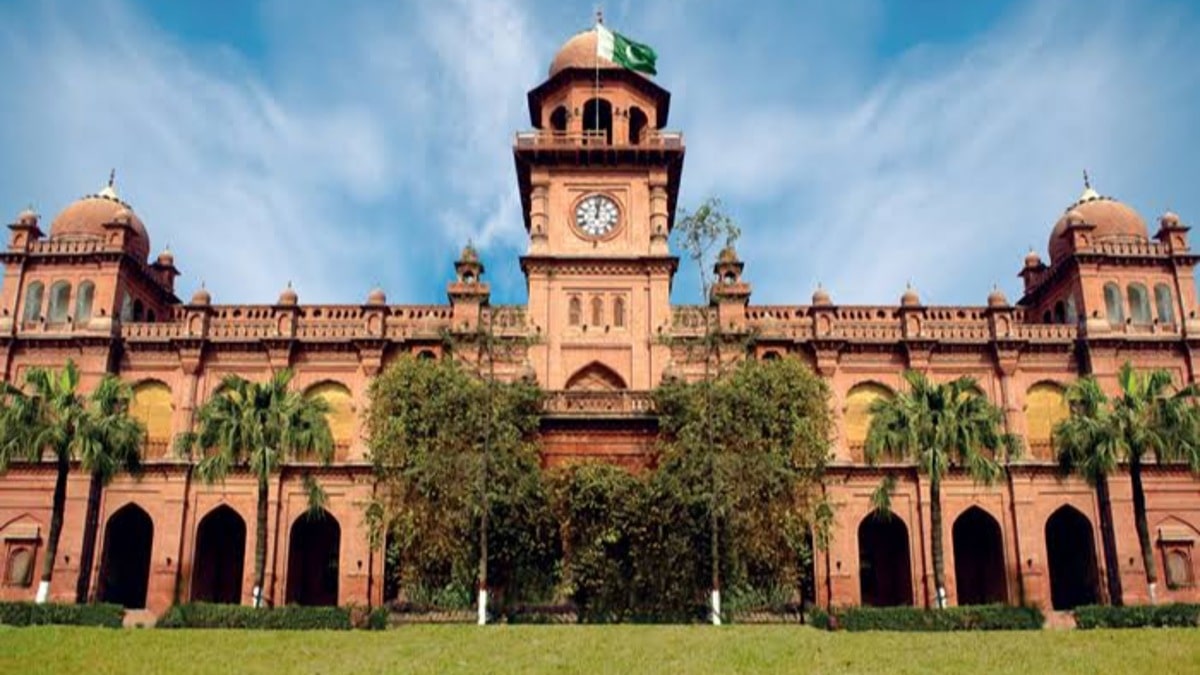
The University of the Punjab has officially launched its PU sports trials for the 2026-27 academic session. This precision-based selection process offers a calibrated pathway for student-athletes to secure their academic future through athletic excellence. Consequently, this initiative serves as a structural catalyst for talent development within Pakistan’s largest higher education framework, ensuring that physical merit receives the same institutional weight as academic scoring.
Calibrated Schedule: PU Sports Trials Timeline
The university has organized the assessment phases with high precision to accommodate thousands of applicants across 30 distinct categories. Specifically, male candidates will undergo assessment from August 10 to August 17, 2026. Following this, female athletes will demonstrate their skills from August 18 to August 24, 2026. The trials encompass a wide-ranging athletic spectrum, including:
- Core Sports: Cricket, Hockey, and Football.
- Precision Disciplines: Swimming, Boxing, and Athletics.
- Team Strategy: Basketball and various court-based sports.
Furthermore, all evaluations will take place at specialized venues across Lahore. Candidates must report at their designated times in professional kits with personal equipment to ensure the baseline of assessment remains standardized.
Strategic Eligibility: Requirements for Athletes
Securing a seat under the sports quota requires more than just raw talent; it requires a documented history of excellence. Applicants must present original sports certificates from recognized competitions to validate their performance levels. Additionally, every candidate must have completed the university’s mandatory admission or departmental tests. This dual-requirement ensures that student-athletes can handle the academic rigor of their chosen programs while representing the university on the field.
The Translation: Decoding the Admission Matrix
In technical terms, these trials represent a “pre-result selection” mechanism. This means the university identifies elite talent before the final academic merit lists are solidified. By doing this, the institution creates a reserved tier of human capital that is judged on a hybrid model of physical performance and baseline academic competency. It effectively bypasses the standard high-percentile competition for athletes who bring alternative value to the campus ecosystem.
Socio-Economic Impact: Empowering the Athletic Class
This development significantly alters the financial trajectory for many Pakistani households. Admitted students often receive full tuition waivers, medical coverage, and specialized scholarships. For female athletes, the impact is even more profound, as the university provides free accommodation and meals at dedicated sports hostels. This structural support reduces the economic barrier to higher education, allowing students from diverse backgrounds to pursue professional degrees without the burden of private financing.
The Forward Path: A Momentum Shift in Education
The 2026-27 PU sports trials represent a significant Momentum Shift in how Pakistan treats athletic talent. By institutionalizing these benefits, Punjab University is moving away from purely academic metrics toward a more holistic definition of “merit.” While the process remains rigorous, the clear framework provided for scholarships and housing suggests a long-term commitment to producing well-rounded citizens who can compete on both intellectual and international athletic stages.