
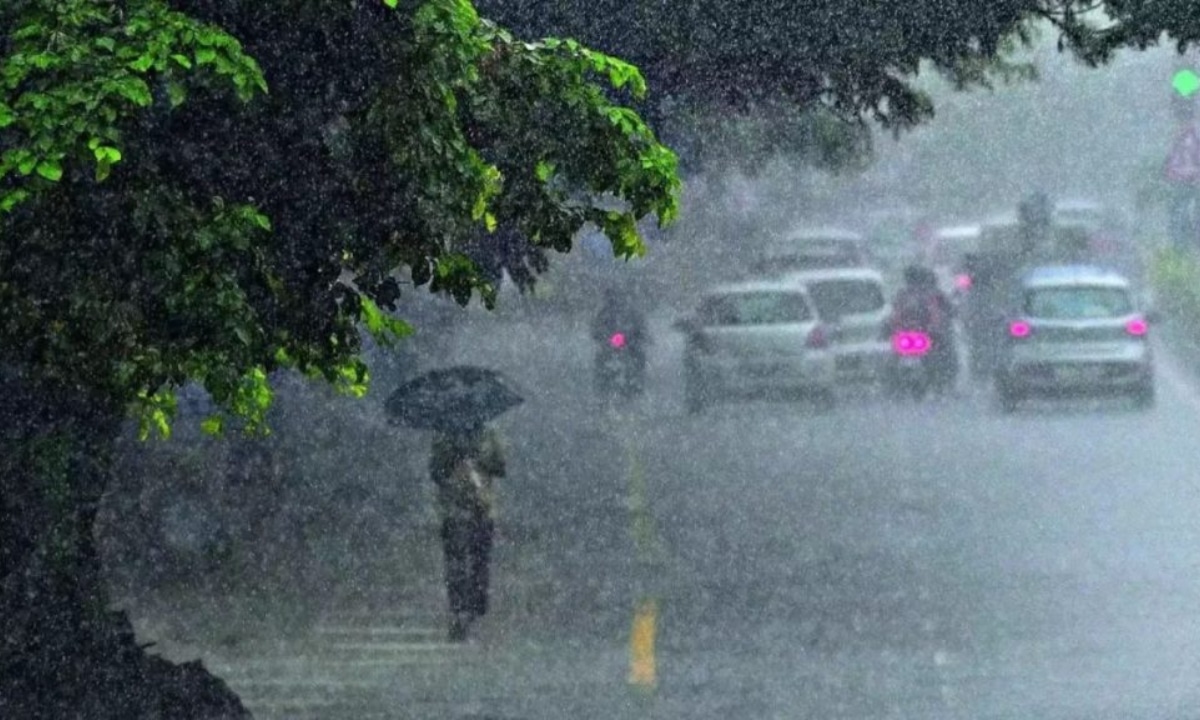
Climate patterns across the Indus Basin are undergoing a significant recalibration as the Pakistan Meteorological Department (PMD) confirms a tactical shift in regional weather systems. Specifically, the department predicts rain in Punjab over the next 48 to 72 hours, affecting Lahore and adjacent industrial zones. This precision forecast indicates a sustained wet spell that will likely modulate current thermal baselines across the province, providing a temporary reprieve from the summer heat.
The Translation: Decoding Meteorological Shifts
While a simple weather forecast often focuses on the immediate atmosphere, this update represents a structural change in atmospheric pressure. Currently, Lahore maintains a calibrated temperature of 30°C, though the ceiling may reach 34°C before precipitation begins. Consequently, the transition from high-pressure heat to a low-pressure wet spell will trigger these predicted showers. Data from the PMD suggests that cloud cover will remain static. This serves as a catalyst for continuous rainfall in diverse sectors of the city throughout the week.
The Socio-Economic Impact: Vulnerability and Adaptation
Meteorological volatility directly affects the daily functionality of every Pakistani citizen. Recent data from the Provincial Disaster Management Authority (PDMA) provides a sobering baseline; existing infrastructure failures during heavy rainfall have resulted in 46 fatalities across the province. For the urban professional and the rural household, these rains disrupt logistics, power stability, and physical safety. Moreover, the lack of precision in urban drainage systems converts a necessary environmental cooling event into a structural hazard for commuters and low-income residents in Punjab.
The Forward Path: A Stabilization Move
This development represents a Stabilization Move rather than a full momentum shift in our national infrastructure journey. While the rain in Punjab offers a strategic reprieve from rising temperatures, the fatality count highlights a critical need for structural reform in disaster management. Moving forward, Pakistan must transition from reactive post-disaster reporting to predictive infrastructure reinforcement. We must view these weather cycles not as interruptions, but as recurring data points that require calibrated engineering solutions and heightened public awareness for a resilient future.








