

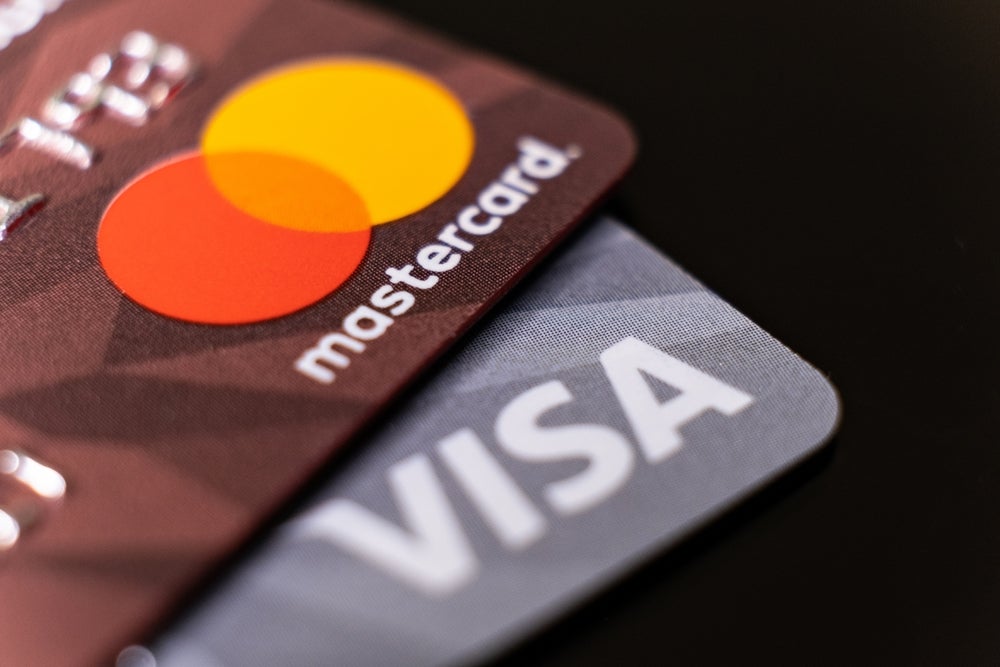
Pakistan is recalibrating its financial architecture to achieve systemic sovereignty. In a move designed to decouple the national economy from international networks, 1LINK has proposed mandatory PayPak cards for all government salary accounts and public sector payments. This strategic shift serves as a catalyst for a robust domestic digital payment infrastructure, reducing the historical dependence on global entities like Visa and Mastercard.
Engineering Domestic Resilience through PayPak Cards
The State Bank of Pakistan (SBP) is coordinating this structural transition. Specifically, the proposal mandates the issuance of PayPak cards for beneficiaries of social safety nets, mass transit systems, and government subsidies. By localizing the transaction flow, Pakistan secures its fiscal data and reduces the capital outflow associated with international service fees.
Calibrating Incentives for Systemic Adoption
To ensure rapid adoption, 1LINK has integrated several strategic incentives into the framework. These include:
- Tax Incentives: Significant reductions on Point-of-Sale (PoS) and e-commerce transactions.
- Reward Protocols: Cashback offers and loyalty points for utility bills and fuel purchases.
- Infrastructure Mandates: Installation of PayPak-compatible terminals at NADRA and passport offices.
Furthermore, the SBP reported significant momentum in the Raast ecosystem. The government allocated Rs. 3.5 billion to subsidize Raast QR codes, which successfully scaled daily transactions from 60,000 to 1.1 million within a single fiscal cycle.

The Situation Room Analysis
The Translation
This initiative represents a move from a “rented” financial infrastructure to a “proprietary” one. Using international networks like Visa or Mastercard involves paying transaction tolls to foreign corporations. By mandating PayPak cards, Pakistan keeps those transaction costs within the local economy. This is not merely a change of plastic; it is the construction of an autonomous financial highway that functions even if global networks experience geopolitical friction.

The Socio-Economic Impact
For the average Pakistani citizen, this shift translates into direct cost efficiency. Government employees and subsidy recipients will benefit from reduced transaction fees and exclusive cashback rewards on essential services like public transport. In rural areas, the expansion of the PayPak cards ecosystem acts as a bridge for financial inclusion, bringing unbanked populations into a formal, digital economy with lower entry barriers than international alternatives.
The Forward Path
This development is a definitive Momentum Shift. While previous years focused on the stabilization of digital banking, the current mandate for PayPak cards signals an aggressive push for national self-reliance. The integration of co-badged cards—which allow for both domestic and international use—ensures that Pakistanis remain connected to the global market while prioritizing the domestic economy for internal transactions. This is the precision engineering required for a future-proof economy.








