
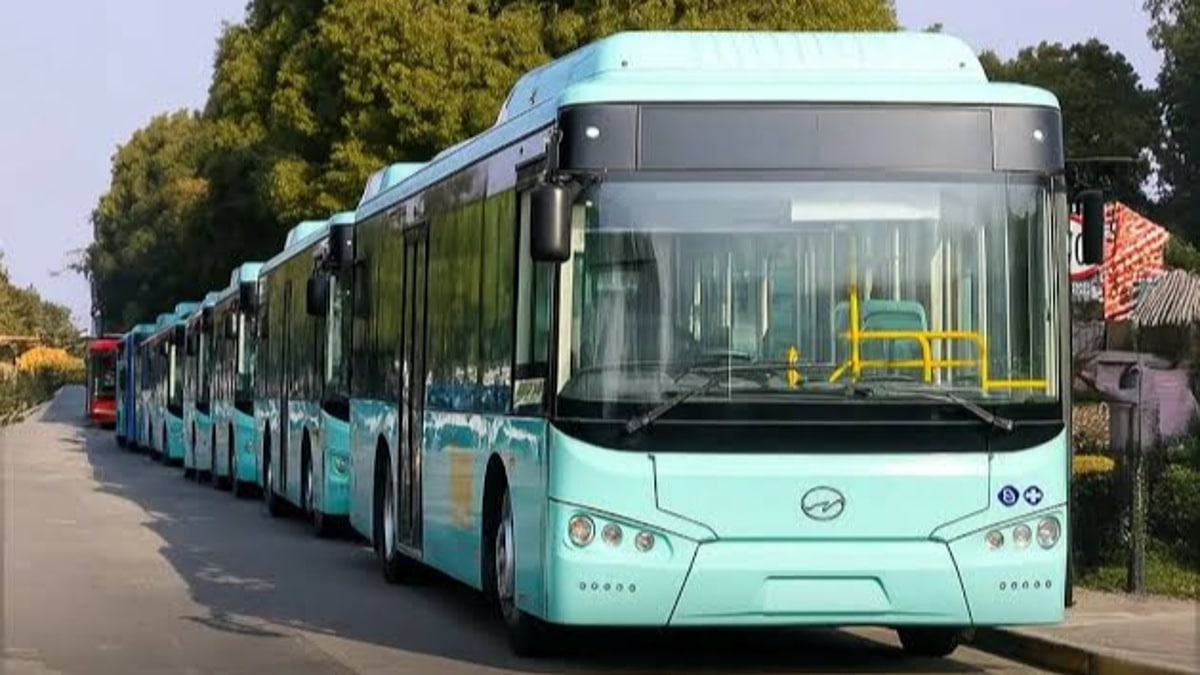
The Capital Mass Transit Authority (CMTA) recently calibrated the Islamabad Bus Route network to enhance urban mobility. Starting August 3, 2026, the authority will implement a revised trial for Route FR-04A. This precision-driven adjustment shifts the starting point to Barakahu (Dhok Jillani Terminal), replacing the previous Malpur alignment to streamline transit toward Bari Imam.
The Translation: Structural Recalibration of Route FR-04A
This update represents a strategic recalibration of the city’s transit grid rather than a simple change in stops. By shifting the baseline from Malpur to the higher-density Dhok Jillani Terminal in Barakahu, the CMTA optimizes vehicle load factors. Consequently, this trial phase aims to test the efficiency of connecting a major residential hub directly to the Bari Imam sector. Commuters must now board from the new Barakahu terminal to maintain their transit schedule.
The Socio-Economic Impact: Catalyzing Commuter Efficiency
For the average Pakistani citizen, this Islamabad Bus Route update serves as a catalyst for improved daily productivity. Students and professionals residing in Barakahu now gain a direct, reliable link to Bari Imam without the previous logistical hurdles of the Malpur route. This reduces the “commute tax” on time and personal finances, ultimately stabilizing household budgets. Furthermore, increased accessibility to key urban sectors fosters local micro-economies and enhances social mobility for rural-urban transition zones.
The Forward Path: A Momentum Shift in Urban Planning
In our expert analysis, this development represents a Momentum Shift in Islamabad’s urban development strategy. Instead of maintaining stagnant routes, the CMTA’s trial-based approach demonstrates a data-driven mindset focused on system efficiency. This move suggests a broader vision to transform Islamabad into a precision-mapped metropolis where public infrastructure evolves alongside shifting population densities. We view this as a necessary step toward a more integrated and responsive national transit architecture.








