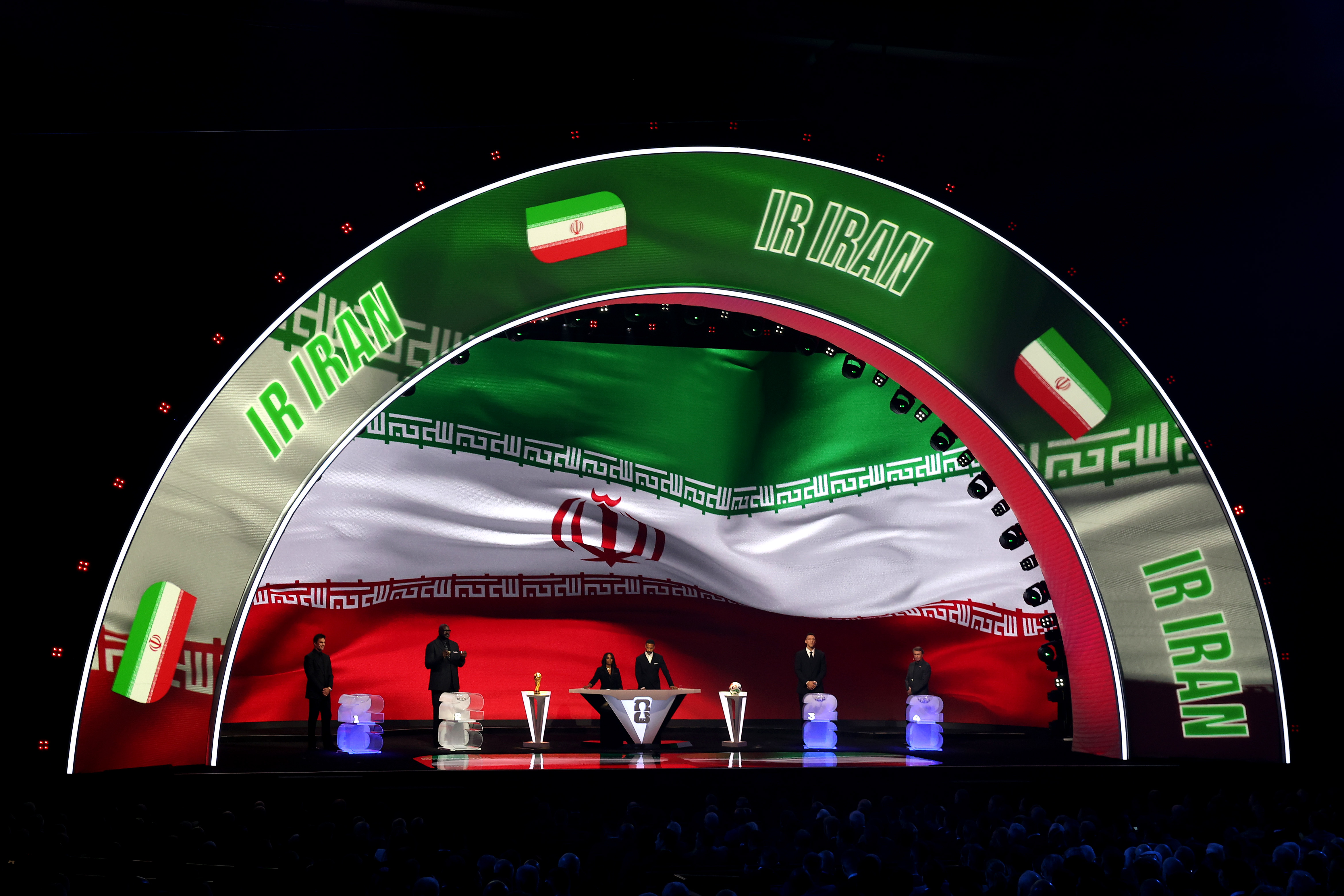
The integration of Pakistan into the FIFA ASEAN Cup 2026 represents a calibrated expansion of our national sporting footprint on the global stage. FIFA recently conducted the official draw, placing the Pakistan Shaheens in a high-stakes Group B within Division 1. Consequently, our athletes will now test their precision against Southeast Asia’s most established footballing nations. This development serves as a catalyst for professionalizing the domestic sports infrastructure and aligns with the broader vision of national advancement through international competition.
Strategic Alignment: The Division 1 Breakdown
Pakistan enters this tournament as one of three specially invited nations, a move that signals a structural shift in regional football diplomacy. The competition organizers have split 14 nations across two tiers. Pakistan earned a position in the elite Division 1, ensuring a baseline of high-intensity fixtures against top-tier opponents. Furthermore, Indonesia will host the inaugural event this September, providing a standardized environment for this historic milestone.
Division 1 Draw Results
- Group A: India, Indonesia (Host), Malaysia, Singapore
- Group B: Pakistan, Vietnam, Thailand, Philippines
Teams in Group B will compete in a single round-robin format. Specifically, only the group winners will advance to the final, while the runners-up will participate in a third-place playoff. This rigorous structure demands absolute tactical discipline from the Shaheens.
The Technical Landscape: Division 2 Overview
While Pakistan focuses on the top-tier challenge, the broader architecture of the FIFA ASEAN Cup includes a second division designed to foster regional growth. This division features emerging footballing nations striving for promotion and competitive consistency. Consequently, the tournament creates a comprehensive ecosystem for Asian football development.
Division 2 Draw Results
- Group A: Hong Kong, Myanmar, Brunei Darussalam
- Group B: Cambodia, Laos, Timor-Leste
The Situation Room: Strategic Analysis
The Translation (Clear Context)
The FIFA ASEAN Cup is not merely a regional invitational; it is a sanctioned fixture within the FIFA Men’s International Match Calendar. For the Pakistan Football Federation (PFF), this invitation bypasses traditional regional limitations. By securing “Division 1” status, Pakistan moves from sporadic friendly matches to a structured, high-stakes tournament environment. This transition forces the national team to adopt modern tactical frameworks used by advanced ASEAN sides like Vietnam and Thailand.
The Socio-Economic Impact
Participation in a FIFA-sanctioned tournament generates significant momentum for the Pakistani household. First, it provides a visible professional pathway for youth athletes, potentially increasing domestic investment in sports academies. Second, international exposure improves the “brand equity” of Pakistani footballers, opening doors for lucrative overseas contracts. On a macro level, consistent international participation boosts national morale and projects a more dynamic image of Pakistan to the global community.
The Forward Path (Opinion)
This development represents a Momentum Shift. After the women’s team debuted in the FIFA Series earlier this year, the men’s entry into the FIFA ASEAN Cup confirms a stabilization of our footballing governance. To capitalize on this, the PFF must now calibrate its training camps to match the speed and technical proficiency of ASEAN opponents. This is no longer about participation; it is about establishing a permanent baseline of excellence in international football.