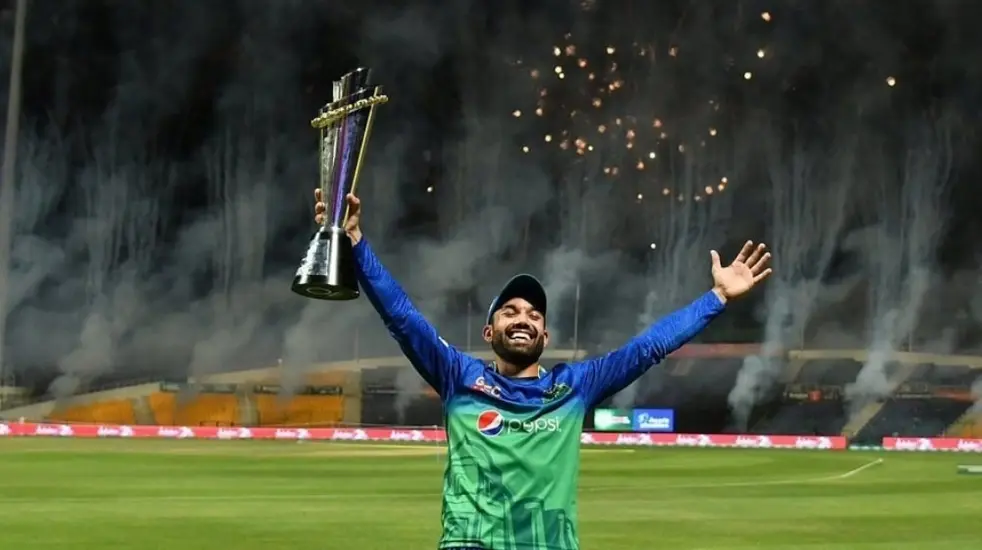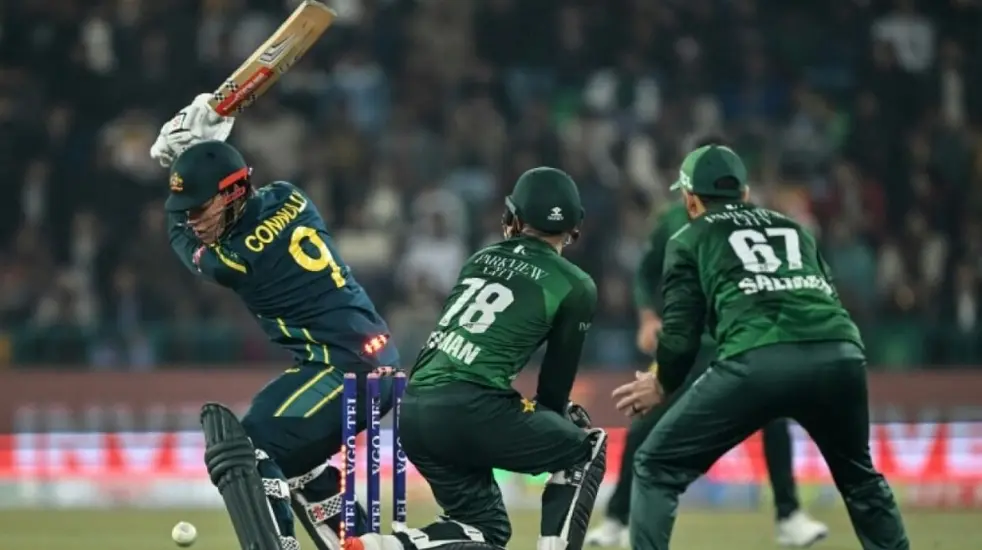
The Pakistan Cricket Board (PCB) has engineered a strategic launch for the domestic season by unveiling the elite rosters for the National Champions Cup. Scheduled from August 11 to 18 at the Multan Cricket Stadium, this tournament serves as a high-precision testing ground. Four flagship teams—Pakistan Greens, Pakistan Whites, Pakistan Blues, and Pakistan Gold—will engage in a single round-robin format. Consequently, the PCB has calibrated this 50-over List A competition to identify the core talent pipeline for the upcoming 2027 World Cup.
Strategic Structural Mechanics of the Tournament
The PCB is implementing a rigid structural framework for this edition. Specifically, the board has mandated fixed playing XIs for each team, supplemented by a 13-player reserve pool. This move ensures tactical consistency. Teams must field their primary eleven throughout the tournament, except in cases of verified injury or concussion. Shaheen Shah Afridi, Shadab Khan, Saim Ayub, and Sahibzada Farhan will lead these units. Furthermore, the 3:00 PM day-night schedule replicates the high-pressure conditions expected on the global stage.
Squad Rosters for the National Champions Cup
- Pakistan Greens: Shadab Khan (c), Faheem Ashraf, Fakhar Zaman, Farhan Yousaf, Mehran Mumtaz, Mohammad Hasnain, Mohammad Salman Mirza, Naseem Shah, Omair Bin Yousuf, Saad Baig (wk), Sameer Minhas.
- Pakistan Whites: Saim Ayub (c), Akif Javed, Ali Raza, Haris Rauf, Hasan Nawaz, Khushdil Shah, Mohsin Riaz, Mohammad Wasim Jnr, Saad Masood, Shahzaib Khan, Usman Khan (wk).
- Pakistan Blues: Sahibzada Farhan (c), Ahmed Daniyal, Arafat Minhas, Hasan Ali, Hussain Talat, Jahandad Khan, Rohail Nazir (wk), Shamyl Hussain, Sufyan Moqim, Taimur Khan (wk), Tayyab Tahir.
- Pakistan Gold: Shaheen Shah Afridi (c), Abdul Samad, Abdul Subhan, Faisal Akram, Haider Ali, Kamran Ghulam, Maaz Sadaqat, Mohammad Nawaz, Muhammad Akhlaq (wk), Muhammad Imran, Saad Khan.
The Situation Room Analysis
The Translation: Systemic Stability
The introduction of “Fixed XIs” represents a departure from traditional experimental rotations. By forcing teams to maintain a specific lineup, the PCB is testing the endurance and specific role-competency of players. This eliminates the “chopping and changing” culture that often destabilizes team chemistry. Essentially, this tournament is a calibrated stress test for the 44 most elite white-ball players in the country.
The Socio-Economic Impact: Regional Stimulus
Hosting the National Champions Cup in Multan provides a significant economic catalyst for Southern Punjab. The influx of elite athletes, support staff, and media crews stimulates the local hospitality and service sectors. For the average Pakistani citizen, particularly the youth in rural and peri-urban areas, these day-night fixtures provide accessible inspiration. This regional focus decentralizes cricket’s economic footprint beyond just Lahore and Karachi.
The Forward Path: Momentum Shift
This development represents a significant Momentum Shift for Pakistan’s cricket infrastructure. The alignment of the domestic calendar with the 2027 World Cup cycle shows a disciplined, long-term vision. Instead of reactive scouting, the PCB is using data-driven tournament structures to build a baseline for national selection. This architectural approach to team building is essential for sustained international competitiveness.