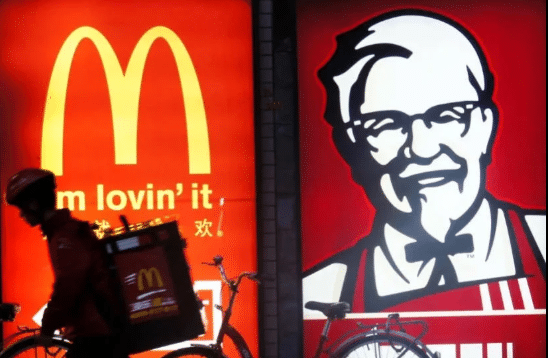
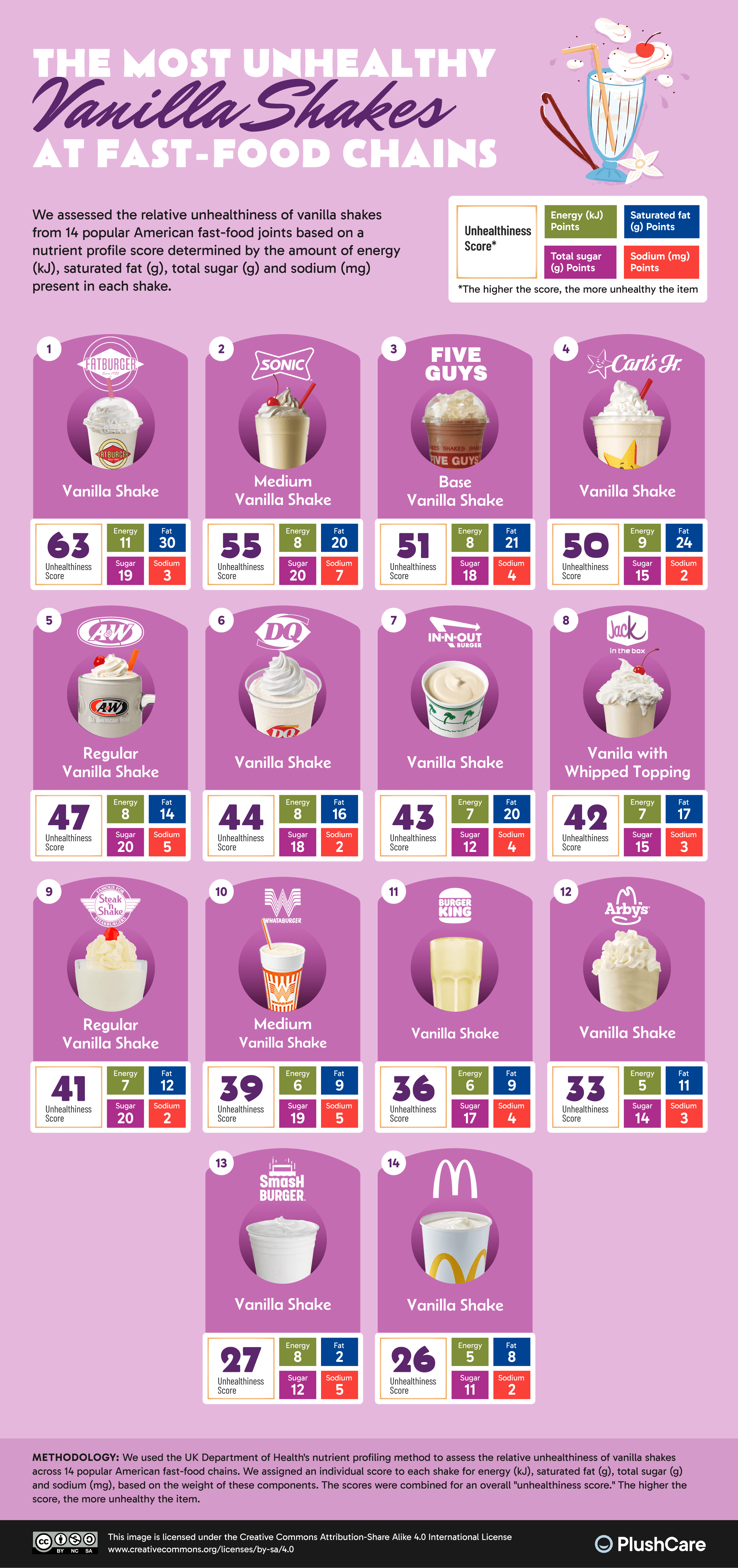
The structural integrity of public health depends on calibrated nutritional baselines. A recent WorldAtlas report, shared via Yahoo Finance, has officially identified several unhealthy fast food chains that exceed safe dietary thresholds. Specifically, the report ranks global giants like KFC, McDonald’s, Smashburger, and Chick-fil-A among the worst performers regarding nutritional quality. These rankings rely on precise data points, including calorie density, sodium levels, and saturated fat content found in signature menu items.
Analyzing the Impact of Unhealthy Fast Food Chains
Many best-selling meals from these franchises contain enough sodium and calories to exceed the recommended daily intake for an entire adult meal. Consequently, the frequent consumption of these items poses a significant risk to systemic health. The report emphasizes that the promotion of oversized meal combinations acts as a catalyst for nutritional imbalance. Furthermore, the reliance on ultra-processed ingredients—such as refined seed oils and preservatives—extends shelf life at the cost of consumer vitality.
The Hidden Chemistry of Modern Fast Food
Burger King serves as a critical case study for structural ingredient concerns. Their buns contain potassium iodate, a flour treatment agent restricted in multiple countries due to thyroid-related risks. Additionally, the chain utilizes various additives to maintain consistency and flavor:
- Mono- and diglycerides: Additives linked to potential gut inflammation.
- Dimethylpolysiloxane: An anti-foaming agent used in frying oils for chicken products.
- Silicon dioxide: An anti-caking agent designed to prevent ingredient clumping.
The Translation
While we often view fast food as a simple convenience, the technical reality is more complex. These “meals” are engineered products designed for maximum shelf-stability and hyper-palatability. Ingredients like dimethylpolysiloxane or potassium iodate are industrial-grade solutions for mass-scale logistics, not nutritional necessity. In essence, the system prioritizes “System Efficiency” over biological compatibility, transforming a quick lunch into a chemical baseline that the human body is not evolved to process efficiently.
The Socio-Economic Impact
For the average Pakistani citizen, the proliferation of these unhealthy fast food chains creates a dual-burden. Professionally, the resulting “brain fog” and lethargy from high-sugar, high-fat diets reduce workplace precision. Economically, the shift toward processed diets places an immense strain on household healthcare budgets. As chronic conditions like high blood pressure and obesity rise in urban centers, the national workforce faces a baseline decline in long-term productivity and resilience.
The Forward Path
This development represents a Momentum Shift in public awareness but a Stabilization Move for the industry. While the data is alarming, it provides the necessary baseline for consumers to demand better transparency. To advance as a nation, we must move beyond passive consumption and adopt a strategic approach to nutrition. Precision in what we eat is the first step toward a high-performance society.