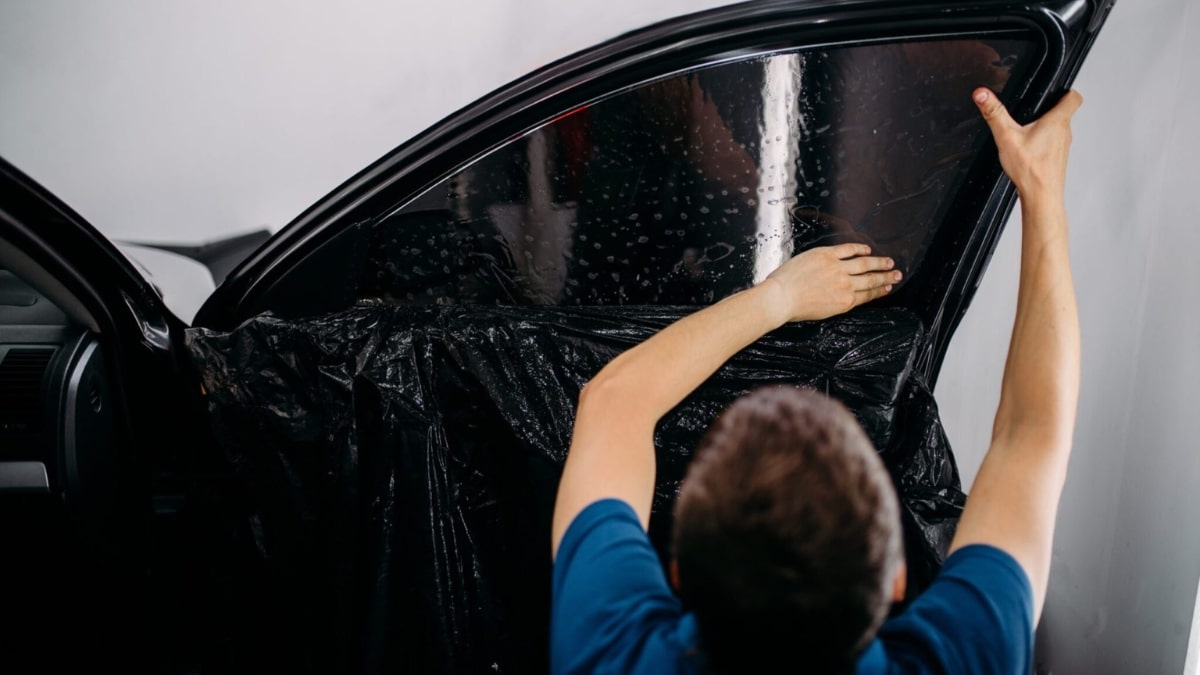
Pakistan’s regulatory landscape for vehicle security is entering a phase of calibrated modification. The Ministry of Interior has engineered a strategic draft for the new Tinted Glass Permit Rules 2025. This proposal targets a structural redesign of how motorists obtain and maintain window tinting permissions across the nation. Consequently, the government aims to modernize security protocols while standardizing revenue collection from specialized vehicle modifications.
The Strategic Realignment of Pakistan’s Tinted Glass Permit Rules
Current data indicates a significant shift in the financial baseline for vehicle owners. Under the proposed framework, ordinary motorists must pay a recurring annual fee of Rs. 15,000 for a tinted window permit. This replaces the earlier proposal that suggested a triennial payment cycle. The Senate Standing Committee on Interior and Narcotics Control recommended this annual frequency to ensure consistent oversight and fiscal sustainability.
Parliamentarian Exemptions and Elite Exceptions
The revised Tinted Glass Permit Rules introduce a distinct tier for political leadership. Strategically, the draft allows serving and former members of Parliament to secure these permits without incurring the annual fee. Furthermore, the Senate committee formally endorsed this exemption during its May 13 meeting. This dual-track system establishes separate compliance requirements for public officials compared to the general citizenry.

Diplomatic Precision in Foreigner Eligibility
Precision is also a key feature of the updated eligibility criteria for foreign residents. The Ministry has replaced the broad term “foreigner” with the more specific “diplomat.” Consequently, only accredited diplomats will qualify for permits under this specific category. Additionally, the draft addresses nuances such as:
- Security Grounds: Validating permits for high-risk individuals.
- Medical Necessity: Providing legal pathways for light-sensitive health conditions.
- Factory Standards: Accommodating vehicles imported with factory-fitted tinting.

The Situation Room Analysis
The Translation
The Interior Ministry is transitioning from an ad-hoc permitting system to a subscription-based security model. By moving to an annual fee for Tinted Glass Permit Rules, the state establishes a recurring revenue stream while forcing periodic security re-evaluations. The shift from “foreigner” to “diplomat” is a strategic move to tighten the net on who operates specialized vehicles within Pakistan’s borders.
The Socio-Economic Impact
For the average Pakistani citizen, this policy represents a 300% increase in effective permit costs compared to the original three-year proposal. While the fee serves as a barrier to entry, the exemption for parliamentarians highlights a structural inequality in civic obligations. For professionals and families, the Rs. 15,000 annual fee adds a significant maintenance cost to vehicle ownership in a high-inflation environment.

The Forward Path
We define this development as a Stabilization Move. While it provides a clearer legal framework for Tinted Glass Permit Rules, it focuses more on administrative control and revenue rather than revolutionary safety innovation. Motorists should note that these rules are currently in the feedback phase and are not yet legally enforceable. True progress will depend on how the Ministry balances elite exemptions with equitable public safety standards.