
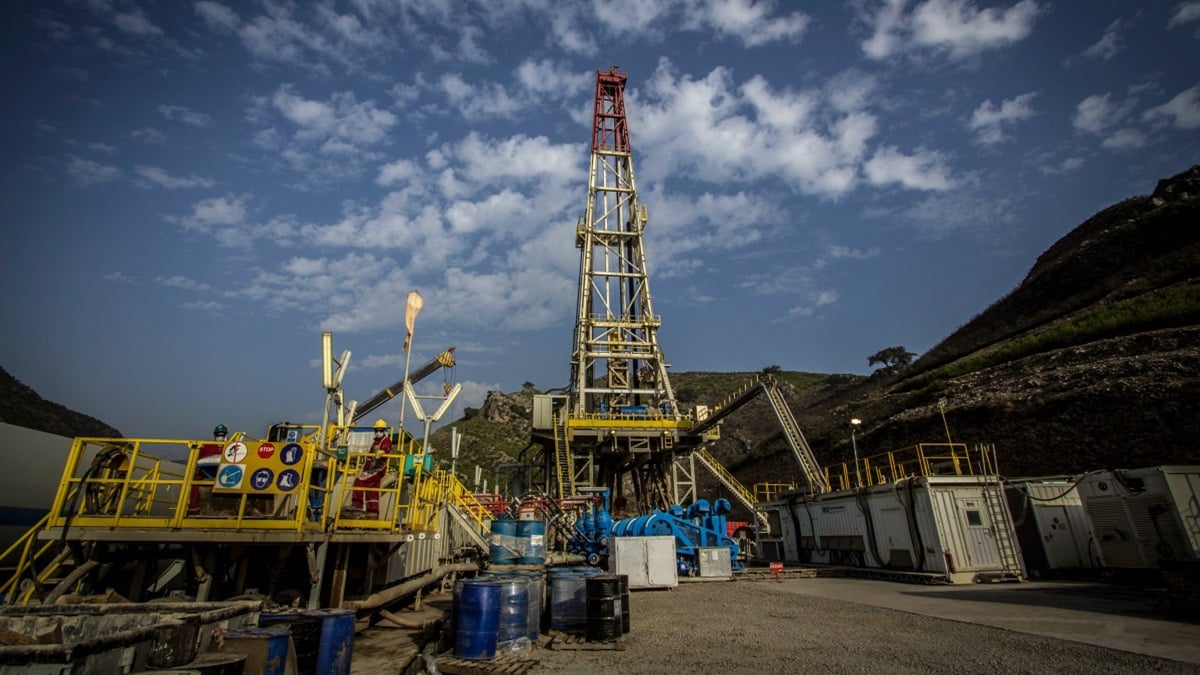
The structural integrity of a federation depends on the calibrated distribution of its natural wealth. Consequently, the Senate Functional Committee on Devolution has demanded that the federal government immediately release the constitutionally mandated 50% provincial revenue share from oil and gas extraction. Senator Zamir Hussain Ghumro, chairing the committee, emphasized that withholding these funds creates a dangerous systemic imbalance and a sense of deprivation in producing regions.
Recalibrating the Provincial Revenue Share and Federal Jurisdiction
The committee rigorously reviewed the 18th Constitutional Amendment’s implementation to ensure provinces receive their due extraction revenue. Specifically, they analyzed the distribution of revenue generated from provincial territories over the last 16 years. This investigation aims to rectify the disparity where the federal government maintains its portion while denying the producing regions their legal baseline. Senator Ghumro warned that continued delays threaten national cohesion.
Furthermore, the committee expressed concern over the illegal expansion of federal authority. Although notifications in 2011 transferred 17 federal ministries to the provinces, the federal government has since re-established several. The number of federal ministries has surged from the constitutionally envisaged nine to 31. This expansion infringes upon areas that fall under provincial authority, such as:
- Education and Health
- National Food Security and Climate Change
- Housing and Social Initiatives
- Zakat, Ushr, and EOBI
Restructuring the Council of Common Interests
To address these structural flaws, the committee called for the permanent secretariat of the Council of Common Interests (CCI) to function effectively. Senator Ghumro maintained that the federal administrative system must be restructured to align with the Constitution. Restoring the provincial revenue share is merely the first step in ensuring that the federal government limits its scope to its constitutional obligations.
The Translation
The 18th Amendment was designed to decentralize power, turning provinces into self-sustaining economic units. When the federal government retains the 50% provincial revenue share, it effectively starves local governments of the capital needed for specialized development. The “illegal” ministries mentioned are essentially administrative duplicates that drain the national treasury while performing tasks that local authorities are better equipped to handle.
The Socio-Economic Impact
For the average Pakistani citizen, the release of this provincial revenue share acts as a catalyst for local prosperity. In oil and gas-producing districts, these funds directly translate into modern healthcare facilities, upgraded schools, and improved infrastructure. By shifting funds from federal bureaucracy back to the provinces, the state ensures that resource-rich areas are not left behind in the race for modernization.
The Forward Path
This development represents a Momentum Shift. The Senate’s demand for a 16-year audit and the reduction of federal ministries is a precision-driven move toward systemic efficiency. If implemented, this will stabilize the federation by reducing provincial grievances and fostering a more competitive, decentralized economic model for Pakistan’s future.








